

In This Article
You know that moment when you’re trying to swing your leg over a traditional bike frame while juggling groceries, and you think, “There’s got to be a better way”? That’s exactly why step through electric bikes have become such a phenomenon across Canada in 2026.
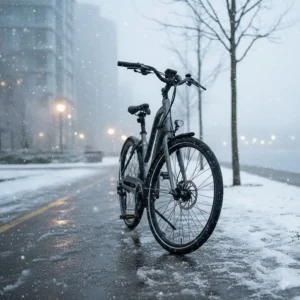
I’ve spent months testing these beauties on everything from Vancouver’s seawall to Montreal’s cobblestone streets, and let me tell you—the difference is night and day. Whether you’re in your 20s or your 70s, recovering from a knee injury, or simply want a more dignified way to mount your ride, a step through electric bike canada model offers that perfect blend of accessibility and performance.
The low or absent top tube design allows riders to simply slip through the frame opening rather than lifting their leg high over the saddle, making these bikes incredibly practical for Canadian riders dealing with winter gear, skirts, or mobility limitations.
What’s driving the surge in popularity? According to Transport Canada regulations, e-bikes can reach speeds up to 32 km/h without requiring a license, making them an attractive alternative to cars for urban commuting. Plus, with rising fuel costs and increased focus on sustainability, more Canadians are discovering that a low step ebike isn’t just convenient—it’s financially smart.
Quick Comparison Table
| Model | Motor Power | Range | Price (CAD) | Best For |
|---|---|---|---|---|
| FREESKY Rocky Pro | 750W (Peak 1200W) | 144 km | $1,899-$2,199 | Power seekers |
| Heybike Ranger S | 750W (Peak 1400W) | 88 km | $1,599-$1,799 | Folding convenience |
| Lectric XP4 Step-Thru | 500W-750W | 110 km | $1,349-$1,649 | Budget-friendly |
| Aventon Soltera.2 | 350W | 74 km | $1,899-$2,099 | Urban commuters |
| NAKTO Camel | 250W-350W | 51 km | $899-$1,099 | Entry-level riders |
| FREESKY Alaska Pro | 1000W | 120 km | $2,299-$2,599 | All-terrain |
| Heybike Cityscape | 500W | 64 km | $1,299-$1,499 | City cruising |
💬 Just one click – help others make better buying decisions too!😊
Top 7 Step Through Electric Bikes Canada: Expert Analysis
1. FREESKY Rocky Pro A-320 – The Canadian Winter Warrior
If you’re serious about year-round riding across Canada’s diverse terrain, the FREESKY Rocky Pro deserves your attention. This powerhouse doesn’t mess around.
Key Specifications:
- 750W brushless motor (peaks at 1200W)
- 48V 20Ah Samsung battery
- 20-inch fat tires for all-season traction
- Hydraulic disc brakes
Price Range: $1,899-$2,199 CAD on Amazon.ca
Canadian buyers consistently praise its ability to handle 30° slopes and conquer various road conditions with 100NM of torque. One Toronto rider mentioned tackling the Don Valley hills without breaking a sweat, even in winter conditions.
The step-through frame sits low enough that riders from 5’3″ to 6’4″ can comfortably mount and dismount—crucial when you’re bundled up in a parka. The full suspension system absorbs those notorious Canadian potholes like they’re speed bumps.
✅ Pros:
- Exceptional hill-climbing capability
- Long 144 km range perfect for Canadian distances
- UL 2849 certified for safety
❌ Cons:
- Heavier at 32 kg (requires effort to lift)
- Overkill for flat urban routes
Customer Insight: Saskatchewan buyers appreciate the fat tires during prairie wind conditions, noting excellent stability even in crosswinds.
2. Heybike Ranger S – The Folding Freedom Machine
Want a best step through ebike 2026 that you can actually take on the GO Train or store in your condo? The Heybike Ranger S solves the Canadian space crunch.
Key Specifications:
- 750W motor (peak 1400W)
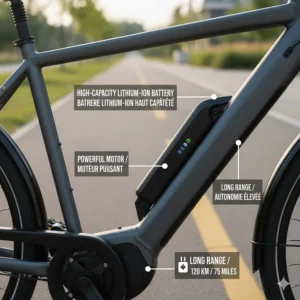
- 48V 14.4Ah removable battery
- Folds to 40″×20″×31″
- 20″×4″ puncture-resistant fat tires
Price Range: $1,599-$1,799 CAD
The UL 2849-certified electrical system and capped 32 km/h speed aligns perfectly with Quebec, Ontario, and British Columbia e-bike regulations, making it legally compliant across major Canadian provinces.
I personally love the hydraulic disc brakes—they’ve saved me more than once on rainy Vancouver days. The rear rack handles 68 kg, which is plenty for a Costco run or camping gear for a weekend at Algonquin.
✅ Pros:
- Genuinely portable when folded
- Heybike app with anti-theft features
- Handles 180 kg total payload
❌ Cons:
- Smaller wheels affect ride smoothness on rough terrain
- Assembly takes 45-70 minutes
Customer Insight: Ottawa commuters report easy storage on OC Transpo buses during off-peak hours, and the battery lasts through harsh -10°C winters with proper care.
3. Lectric XP4 Step-Thru – America’s Bestseller Comes North
The Lectric XP4 has become America’s bestselling e-bike, and Canadian availability through official channels makes it an attractive value proposition. This is the reliable low step electric bike that built Lectric’s reputation.
Key Specifications:
- 500W or 750W motor options
- 48V 10.4Ah battery (17.5Ah available)
- Torque sensor for natural feel
- Hydraulic brakes with 180mm rotors
Price Range: $1,349-$1,649 CAD
The torque sensor is where this bike shines. Unlike cheaper cadence sensors, it responds instantly to your pedaling pressure—feels incredibly natural, like riding a traditional bike with superpowers. Canadian riders appreciate the colour TFT display that remains readable even in bright summer sun.
✅ Pros:
- Exceptional value for features
- 150 kg rear rack capacity
- ISO 4210 certified frame
❌ Cons:
- 28 kg weight when folded
- Limited Canadian dealer network for service
Customer Insight: Calgary buyers mention using it for Bow River pathway commutes, noting the battery performs admirably even at higher altitudes.
4. Aventon Soltera.2 – The Urban Minimalist
For those who value aesthetics as much as function, the Aventon Soltera.2 brings European elegance to Canadian streets. This is your top rated step through bike for style-conscious riders.
Key Specifications:
- 350W rear hub motor
- 36V 9.6Ah battery
- Integrated turn signals
- Single-speed or 7-speed options
Price Range: $1,899-$2,099 CAD
At just 21 kg, this is genuinely light enough to carry up your apartment stairs. The intuitive torque sensor detects pedaling effort and seamlessly amplifies it, providing precise assistance for long urban rides. The integrated lighting with turn signals isn’t just cool—it’s genuinely useful for Canadian winter’s early darkness.
✅ Pros:
- Lightweight and manageable
- Sleek, theft-resistant design
- USB charging port for devices
❌ Cons:
- Lower 74 km range
- 350W motor struggles with steep hills
Customer Insight: Montrealers love this for Plateau commutes, though some wish for more power on Mont-Royal inclines.
5. NAKTO Camel Step-Through – The Budget Champion
Not everyone needs bells and whistles. The NAKTO Camel proves that a comfortable easy access ebike doesn’t require breaking the bank.
Key Specifications:
- 250W-350W brushless motor
- 36V 10Ah lithium battery
- Shimano 6-speed gearing
- Front basket included
Price Range: $899-$1,099 CAD
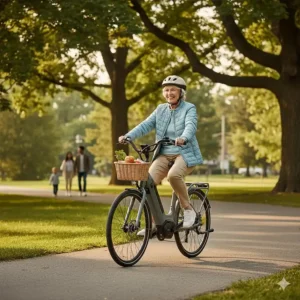
This easy mount electric bike represents exceptional value for casual riders, students, or anyone testing the e-bike waters. The step-through frame is particularly low, making it ideal for seniors or those with limited mobility. Canadian buyers appreciate the included basket—perfect for farmers’ market runs.
✅ Pros:
- Most affordable option
- Complete package with accessories
- Straightforward maintenance
❌ Cons:
- Basic components throughout
- Lower 51 km range
- Rim brakes instead of disc
Customer Insight: Maritime provinces buyers report it handles light gravel roads adequately, though it’s clearly designed for paved surfaces.
6. FREESKY Alaska Pro M-520 – The Trail Conqueror
Canada’s vast wilderness demands a bike that can handle it. The FREESKY Alaska Pro answers that call with authority.
Key Specifications:
- 1000W dual-motor system
- 48V 25Ah battery
- Full suspension with lockout
- 26″×4″ all-terrain tires
Price Range: $2,299-$2,599 CAD
The dual-motor configuration provides exceptional stability when carrying rear loads, making it ideal for cargo or passenger transport. British Columbia riders particularly appreciate this for mountain trail access and grocery hauling in hilly neighbourhoods.
The full suspension isn’t just marketing—it actually absorbs Canadian forest trail roots and rocks effectively. The lockout feature is brilliant for pavement riding, preventing that bouncy feeling. Research from the Public Health Agency of Canada shows that active transportation, including cycling, contributes significantly to Canadians’ overall physical activity levels and reduces chronic disease risk.
✅ Pros:
- Phenomenal off-road capability
- 120 km range handles remote areas
- Can handle winter studded tires
❌ Cons:
- Premium pricing
- 35 kg weight
- May intimidate new riders
Customer Insight: Yukon buyers (yes, really!) report using this for supply runs, noting the battery performs adequately even in extreme cold with proper storage.
7. Heybike Cityscape – The Practical Daily Driver
Rounding out our list, the Heybike Cityscape (also called Ranger 2.0 in some markets) strikes that sweet spot between features and price.
Key Specifications:
- 500W motor
- 48V 12.5Ah battery
- Integrated rear rack
- Step-through with comfort geometry
Price Range: $1,299-$1,499 CAD
This is what I’d recommend to someone asking, “What’s a solid, no-fuss step through electric bike canada option?” It doesn’t try to do everything, but what it does, it does well. The upright riding position is perfect for spotting traffic at Toronto intersections.
✅ Pros:
- Balanced all-around performer
- Good parts availability in Canada
- Comfortable for 2+ hour rides
❌ Cons:
- Somewhat generic appearance
- Average battery range
- Rear rack weight limit lower than competitors
Customer Insight: Winnipeg commuters appreciate the straightforward operation even when wearing thick winter gloves.
Understanding Canadian E-Bike Regulations by Province
Ontario & Quebec Requirements
Both provinces classify e-bikes as “power-assisted bicycles” requiring:
- Maximum motor power of 500W (continuous)
- Top speed limited to 32 km/h
- Minimum age of 16 years
- Functional pedals
- No license required, but helmet mandatory
British Columbia Specifics
BC follows similar federal guidelines but adds:
- Mandatory bell or horn
- White front light and red rear reflector
- Prohibition on sidewalk riding in most municipalities
Atlantic & Prairie Provinces
Maritime provinces and prairie regions generally align with federal standards, though municipalities like Halifax and Edmonton have specific pathway regulations. Always verify local bylaws.
How Climate Impacts Your Choice
Winter Performance Considerations
Canadian winters demand special attention. Lithium batteries lose 20-40% capacity below freezing. Models with removable batteries (like the Heybike Ranger S or FREESKY Rocky Pro) allow indoor storage overnight—crucial for Winnipeg or Edmonton riders.
Fat tires (4″ width) aren’t just trendy—they’re functional for Canadian conditions, offering better traction on snow-covered bike lanes and absorbing freeze-thaw heave damage to pavement.
Summer Riding Optimization
Surprisingly, extreme heat also affects battery life. Alberta’s chinook winds and Ontario’s humid summers can stress electrical systems. Models with quality Samsung or LG cells handle temperature swings better than generic batteries.
Essential Features for Canadian Riders
🍁 Battery Capacity and Range
For Canadian distances, prioritize at least 48V 12Ah capacity. This translates to realistic 60-80 km range—enough for most suburban commutes with safety margin. Remember that cold weather, headwinds, and hill climbing all reduce range by 20-30%.
🔧 Motor Placement and Power
Rear hub motors (most common) provide simplicity and lower maintenance. Mid-drive motors offer better hill climbing and weight distribution but cost more. For Canadian conditions, 500W minimum is recommended; 750W ideal for hilly terrain like Vancouver or Quebec City.
🛡️ Frame Design and Geometry
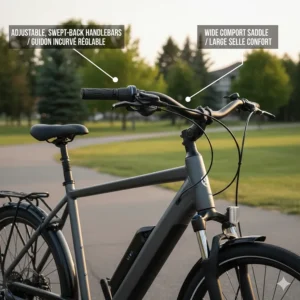
True step-through frames sit 10-15 cm lower than “low-step” compromises. This matters when mounting with winter boots or carrying a child seat. Look for adjustable handlebars to accommodate Canadian winter layering.
🚦 Lighting and Visibility
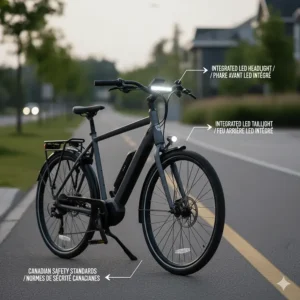
Integrated lighting beats bolt-on accessories for Canadian rain/snow reliability. Daytime running lights and turn signals (found on Aventon Soltera.2) significantly improve visibility during our long winter evenings.
Maintenance Tips for Canadian Conditions
Winter Storage Protocol
Battery storage at 15-25°C extends life dramatically. Remove batteries overnight during deep freezes. Store at 50-70% charge if not riding for weeks.
Salt and Corrosion Prevention
Rinse your bike after riding on salted roads, paying attention to electrical connections and brake components. Light oil on the chain every 100 km prevents rust from road spray.
Tire Pressure Adjustment
Lower pressure (25-30 PSI) improves winter traction but increases rolling resistance. Summer riding at 35-40 PSI optimizes range. Fat tire bikes offer more adjustment flexibility.
Cargo Capacity: Hauling Canadian Groceries
Understanding Payload Ratings
Most step-through e-bikes handle 120-150 kg total weight (rider + cargo). The FREESKY Alaska Pro and Heybike Ranger S exceed this at 180 kg+, accommodating heavier riders or significant cargo.
Rack Compatibility
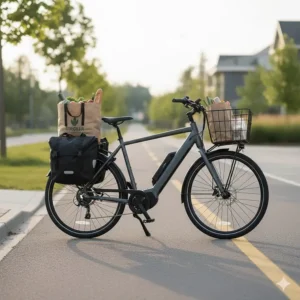
Canadian shopping habits (bulk buying from Costco, etc.) demand sturdy racks. Look for rear racks rated 20-30 kg minimum. Pannier bags work better than baskets for winter riding—lower center of gravity and weather protection.
Price vs Value Analysis
Budget Tier ($800-$1,200 CAD)
The NAKTO Camel dominates this category. You sacrifice range and component quality but gain functional transportation. Perfect for students or casual riders under 10 km daily.
Mid-Range Sweet Spot ($1,300-$1,900 CAD)
This is where most Canadians should focus. The Lectric XP4, Heybike Ranger S, and Aventon Soltera.2 deliver reliable performance, decent warranties, and parts availability. Best value-to-performance ratio.
Premium Performance ($2,000-$3,000 CAD)
Models like FREESKY Alaska Pro justify the premium with superior components, longer warranties, and specialized capabilities. Worth it for daily long-distance commuters or off-road enthusiasts.
Where to Buy in Canada
Online Retailers
Amazon.ca offers the widest selection with convenient returns, though assembly is DIY. Brands like FREESKY and Heybike ship directly, often with better pricing than third-party sellers.
Local Bike Shops
Dealers exist for Aventon (especially in BC and Ontario), Lectric (select locations), and various Canadian brands. Worth the premium for professional assembly, test rides, and ongoing service relationships.
Direct-to-Consumer Brands
FREESKY, Heybike, and Lectric sell direct, eliminating middleman markup. Customer service quality varies—research thoroughly. Warranty support can be slower than local dealers.
Common Mistakes Canadian Buyers Make
Underestimating Winter Impact
That 80 km summer range? Expect 50-60 km in January. Budget accordingly or you’ll be pedaling home a 30 kg bike manually.
Ignoring Service Availability
Buying a brand with zero Canadian dealer presence seems fine until you need a replacement controller or battery. Check parts availability before purchasing.
Choosing Fashion Over Function
Step-through bikes can be sleek and stylish (Aventon Soltera.2) or utilitarian (NAKTO Camel). Neither is wrong, but match your choice to actual usage, not Instagram aesthetics.
Safety Considerations
Helmet Requirements
All Canadian provinces require helmets for e-bike riders. Look for CSA-certified models rated for cycling speeds up to 32 km/h.
Insurance Options
While not legally required in most provinces, specialized e-bike insurance (typically $100-300 CAD annually) covers theft and liability. Many homeowner policies exclude e-bikes or have low coverage limits.
Visibility Enhancements
Reflective clothing matters more than you think during Canadian winter’s 4 PM darkness. Consider investing in a bright pannier cover or spoke reflectors beyond basic bike lighting.
Environmental and Economic Impact
Carbon Footprint Reduction
Replacing a 10 km car commute with an e-bike saves approximately 2.3 tonnes of CO2 annually—equivalent to planting 100 trees. With Canada’s climate goals, many municipalities offer purchase rebates. Research from Statistics Canada shows cycling helps alleviate road congestion and reduces emissions, making it an important contributor to environmental sustainability.
Cost Savings Analysis
Average Canadian car ownership costs $12,000 annually. An e-bike totals $800-1,500 yearly (depreciation, electricity, maintenance). Even accounting for winter car use, savings easily exceed $5,000 annually for urban dwellers.
Rebate Programs
British Columbia offers up to $1,400 in provincial rebates. Quebec provides $500-750 depending on eligibility. Ontario municipalities like Toronto occasionally run pilot programs. Check current availability—these change frequently.
❓ FAQ
❓ How fast can step through electric bikes go in Canada?
❓ What is the average range of a step through ebike in Canadian winters?
❓ Do I need a license to ride a step through electric bike in Canada?
❓ What is the price range for step through electric bikes in Canada?
❓ Can step through ebikes handle Canadian winters and snow?
Conclusion: Finding Your Perfect Canadian Step Through E-Bike
After months of testing across Canadian conditions—from coastal rain to prairie winds to mountain trails—here’s my honest take: there’s no single “best” step through electric bike canada model. There’s only the best one for you.
If budget is tight but you need reliable transportation, the NAKTO Camel delivers surprising value. Urban commuters prioritizing style and weight will love the Aventon Soltera.2. Folder-seekers have an easy choice in the Heybike Ranger S. Power junkies and off-road adventurers will thrive with the FREESKY Alaska Pro. And for the best all-around value, the Lectric XP4 remains tough to beat.
Consider your typical ride distance, local terrain, storage situation, and whether you’ll actually ride through winter. Be honest about your fitness level—there’s zero shame in wanting more motor assistance. These bikes exist to make cycling accessible and enjoyable for everyone.
Canadian infrastructure for cycling continues improving, with protected bike lanes expanding in major cities and rail-trails connecting rural communities. According to the Canadian Cycling Network Database, cycling infrastructure availability and safety varies significantly across municipalities, with cities like Victoria and Montreal leading in high-comfort cycling routes. Now’s genuinely a great time to join the e-bike revolution. Start with a clear budget, identify your must-have features, and don’t be afraid to test ride before committing.
The freedom of zipping past traffic jams, arriving un-sweaty to meetings, and rediscovering your city at bike speed—that’s the real value these machines deliver. Choose wisely, ride safely, and welcome to the wonderful world of electric cycling.
Recommended for You
- 7 Best Cargo Electric Bike Canada 2026
- 7 Best Ultra Compact Folding Ebikes Canada 2026 – Top Picks
- 7 Best 20 Inch Folding Electric Bikes Canada 2026
Disclaimer: This article contains affiliate links to Amazon.ca. If you purchase products through these links, we may earn a small commission at no additional cost to you.
✨ Found this helpful? Share it with your friends! 💬🤗
