

In This Article
Saturday morning, somewhere in Canada. Two kids, a week of groceries, a bag of potting soil and one stubborn hill. A regular ebike takes one look at that lineup and quietly files a complaint. A heavy-duty cargo ebike for maximum load capacity? It shrugs, drops into a lower assist level and gets on with it.
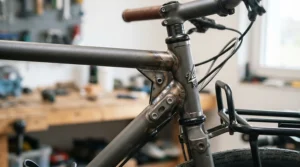
That gap is the whole point of this guide. A cargo bike is a bicycle whose frame, drivetrain and wheels are built for loads well beyond an ordinary bike’s, and adding a motor stretches both payload and range. But “heavy-duty” is a slippery marketing word. Some bikes earn it with reinforced frame welds, tested forks and honest ratings. Others earn it with a bigger number on the spec sheet.
Here’s what you’ll get. There are seven real models across budget, mid-range and premium tiers, and a plain-English breakdown of payload weight ratings. You’ll also learn what to check before you trust a frame, and what rules govern a high capacity electric bike Canada riders can actually use. Finally, there are commercial delivery use cases for anyone planning to make money with one of these.
One honest note before we roll. I haven’t ridden these bikes, and I won’t pretend otherwise. Everything below comes from manufacturer specs, published certification claims and the aggregated verdicts of professional reviewers, filtered through some blunt analysis. Prices are approximate Canadian ranges converted from published list prices, so check current pricing before you buy.
Quick Comparison: Heavy-Duty Cargo Ebike Payload at a Glance
| Model | Total Payload | Motor | Best For | Approx. Price (CAD) |
|---|---|---|---|---|
| Lectric XPedition 2.0 | 204 kg (450 lb) | 750 W hub | Budget buyers who need the biggest rack | C$2,000–C$2,800 |
| Aventon Abound | 200 kg (440 lb) | 750 W hub | Step-through comfort, easy mounting | C$2,500–C$3,200 |
| Velotric Packer 1 | 200 kg (440 lb) | 750 W hub | Kids and cargo on a stable long deck | C$2,600–C$3,100 |
| Blix Packa Genie | 181 kg (400 lb) | 750 W hub | Long routes with dual batteries | C$2,200–C$3,000 |
| ENGWE LE20 | 200 kg (440 lb) | 750 W hub (N. America), 250 W mid-drive (EU) | Big battery on a tight budget | C$1,700–C$2,300 |
| Specialized Globe Haul ST | 190 kg (419 lb) | 700 W hub | Compact size plus dealer support | C$3,500–C$4,000 |
| Tern GSD | 210 kg (463 lb) gross | Bosch Cargo Line mid-drive | Certified premium daily hauling | C$7,000–C$10,000+ |
Read the table sideways and a pattern jumps out: five of the seven land within about 20 kg of each other, so payload alone won’t pick your winner. The real separators are price, motor power (more on that Canadian wrinkle shortly) and how much independent proof sits behind the number. The Tern GSD costs several times what the ENGWE LE20 does, and the gap buys certification, service and refinement rather than extra kilograms.
💬 Just one click — help others make better buying decisions too!😊
Top 7 Picks: Heavy-Duty Cargo Ebike for Maximum Load Capacity, Analyzed
1. Lectric XPedition 2.0 — biggest rear rack rating for the money
The standout here is the rack: 136 kg (300 lb) of rated capacity on the rear deck, the highest in this group. That matters if your cargo is lumber, tool cases or two kids plus a dog, because a rack rating, not the total, is usually the first limit you hit.
Total payload is 204 kg (450 lb), with a rider limit of about 150 kg (330 lb). A 750 W hub motor does the pulling. The 2.0 update added a torque sensor, which makes assist scale with your pedalling effort, so power arrives smoothly instead of lurching when you start from a stop with 40 kg of groceries behind you. Lectric also fits an adjustable-preload suspension fork, and states the bike is UL 2849 certified and that its frame and fork passed DIN-standard testing at a US lab. Treat those as manufacturer claims, though credible ones.
Based on the specs, this is the pick for budget-conscious haulers who want maximum rack. One Canadian caveat: 750 W sits above the 500 W federal definition, so confirm the Canadian-spec configuration. Also, hold the bike while loading, since Lectric says the kickstand isn’t meant for that.
Reviewers consistently praise the component quality for the price and the fork. Common complaints are kickstand placement and a build that feels less premium than pricier rivals.
Pros:
- ✅ Class-leading 136 kg rear rack rating
- ✅ Torque sensor and adjustable fork at this price
- ✅ UL 2849 certification claimed for the system
Cons:
- ❌ Kickstand not meant for loading
- ❌ 750 W needs a Canadian-legality check
Price: roughly C$2,000–C$2,800 depending on battery option; check current price. Verdict: the value benchmark.

2. Aventon Abound — easiest step-through for big loads
The hook is the low step-through frame. Swinging a leg over a loaded rear deck is how many cargo-bike wipeouts start, and the Aventon Abound mostly removes that problem.
It’s rated for 200 kg (440 lb) total, with 65 kg (143 lb) on the rear rack. A 750 W hub motor, a 720 Wh battery and Tektro hydraulic disc brakes round out the package. The torque sensor is a rarity at this price, and it makes low-speed starts under load feel controlled rather than abrupt. At roughly 37 kg (81–82 lb), it’s heavy but planted. The drivetrain is a basic Shimano Tourney 7-speed, which one reviewer flagged as durable enough but not the strongest link.
My read: it suits riders who value stability and easy mounting over raw rack capacity, such as school-run parents and shorter riders. Aventon also runs a Canadian storefront, which helps with warranty questions.
Reviewers praise the stability under load and the accessory package, though they disagree about range. One test found loaded range well under the 80 km (50 mi) claim, while another outlet rated its range results among the best from a cargo ebike. Expect real-world numbers to depend on your load and terrain.
Pros:
- ✅ Low step-through frame, easy to mount loaded
- ✅ Torque sensor smooths power delivery
- ✅ Hydraulic brakes and 200 kg total rating
Cons:
- ❌ Entry-level drivetrain wears faster
- ❌ Loaded range falls well below claims
Price: roughly C$2,500–C$3,200; check current price. Verdict: a strong all-rounder.
3. Velotric Packer 1 — stable long deck with serious brakes
The signature move is mixed wheel sizes: a 26-inch front and a 20-inch rear. The small rear wheel keeps cargo low, which lowers the centre of gravity and calms the handling when you’re carrying a full deck.
The Velotric Packer 1 is rated for 200 kg (440 lb) total and 80 kg (176 lb) on the rear rack. A 750 W motor peaks near 1,200 W with about 75 Nm of torque, and the 691 Wh battery is UL-certified (LG cells, per listings). Four-piston hydraulic brakes with 180 mm rotors matter more than any motor spec here, because stopping 200 kg is harder than moving it. The bike is roughly 208 cm (82 in) long, so measure your storage space.
Analytically, it suits families who want a long, roomy rear area for kids and cargo, as long as the budget is mid-range. The catch is the cadence sensor, which reviewers say can cut in abruptly. A torque sensor would have made this a standout, as one reviewer pointed out.
Electric Bike Report measured about 59 km (36.9 mi) at full assist, which it called impressive for the specs. Complaints include narrow handlebars for such a long bike and tires better suited to pavement.
Pros:
- ✅ Four-piston brakes for confident stopping
- ✅ Low-slung rear wheel improves stability
- ✅ UL-certified battery per listings
Cons:
- ❌ Cadence sensor power delivery can feel abrupt
- ❌ Narrow bars on a long frame
Price: roughly C$2,600–C$3,100; check current price. Verdict: great braking and stability per dollar.
4. Blix Packa Genie — dual-battery range and endless rack combinations
The hook is modularity: the brand advertises over 200 accessory combinations on its rack system, plus an optional second battery.
The Blix Packa Genie is rated for 181 kg (400 lb) total, with 68 kg (150 lb) on the rear rack and 23 kg (50 lb) on the front. One retailer notes rider weight under about 113 kg (250 lb) with cargo under 68 kg, unless the rider is lighter. That’s a useful reminder to read the fine print. The 750 W direct-drive hub peaks around 1,350 W, and the integrated battery is 614 Wh. A rigid steel fork and long wheelbase keep it stable at speed, while Zoom hydraulic brakes with 180 mm rotors handle stopping.
My take: this is the choice for delivery-style routes where the second battery matters more than the last kilogram of payload. The brand claims up to about 129 km (80 mi) with dual batteries, but heavy loads and cold weather will cut that.
Outdoor Gear Lab praised its smooth, stable ride and comfort, and Ebike Escape called it the best performer on its hill-climb test. The downsides are weight and the lowest total rating in this group.
Pros:
- ✅ Dual-battery option for longer routes
- ✅ Very stable, smooth long-wheelbase ride
- ✅ Huge accessory flexibility
Cons:
- ❌ Heavy to move and store
- ❌ Lowest total payload rating here
Price: roughly C$2,200–C$3,000 depending on battery configuration; check current price. Verdict: best for range-hungry routes.
5. ENGWE LE20 — biggest battery on the smallest budget
The pitch is capacity per dollar: a 48 V, 19.2 Ah battery (about 921 Wh) as standard, with a second battery optional.
Its 200 kg (440 lb) rating comes with a 750 W rear hub (about 1,300 W peak) in North American trim, while the European version uses a 250 W mid-drive with 100 Nm of torque. That difference matters for Canadians, since a 250 W-class drive sits comfortably under the 500 W limit. The bike weighs about 41.5 kg (91.5 lb), runs 20×3.0-inch tires and has a front suspension fork.
Electrek’s reviewer called it compelling for the price, but noted the rack isn’t as robust as traditional longtails and hedged on the payload claim with “assuming that’s accurate.” That’s a fair way to treat any budget rating. Also note the battery is listed as EN15194 certified, a European standard, so ask the seller about UL or CSA-recognized certification for Canada.
Buyers who prioritize range and price, and who will check the rack and welds carefully, are the target. Reviewers mostly praise the range and value, with the structural caveat above.
Pros:
- ✅ Large 921 Wh battery as standard
- ✅ Dual-battery option for long days
- ✅ Lowest price in this lineup
Cons:
- ❌ Rack less robust than true longtails
- ❌ Battery certification listed is European
Price: roughly C$1,700–C$2,300; check current price. Verdict: great value if you verify the structure.

6. Specialized Globe Haul ST — compact footprint with real dealer support
The standout is its short-tail layout: it hauls like a cargo bike but parks closer to a normal one, at 35 kg (77 lb).
The Specialized Globe Haul ST is rated for 190 kg (419 lb), rider included, and uses a 700 W hub motor with a 772 Wh battery. A Canadian retailer listing shows that battery as UL 2271 certified. Hydraulic brakes with 203 mm rotors, a torque sensor and a MIK-compatible rack with plenty of mounting points round it out. A proprietary passenger seat is rated for about 40 kg (88 lb), so it’s more child-hauler than adult-passenger rig. The brand quotes up to roughly 97 km (60 mi) of range. In the US it’s tuned to 45 km/h (28 mph) in Class 3 form, so confirm how the Canadian version is configured, since the federal assist cutoff is 32 km/h.
Specialized’s service network and a long frame warranty, per listings, are the real differentiators. Reviewers love how the motor climbs hills and how many accessories bolt on, but note the weight, with one joking that you’ll want an elevator.
Pros:
- ✅ Compact, easy-to-park short-tail frame
- ✅ UL 2271 battery per Canadian listing
- ✅ Wide dealer and service network
Cons:
- ❌ Lower rating than several cheaper rivals
- ❌ Speed tuning needs a Canadian check
Price: roughly C$3,500–C$4,000; check current price. Verdict: a premium-feeling mid-range choice.
7. Tern GSD — certified 210 kg gross rating
The hook is proof. The third-generation Tern GSD supports a 210 kg (463 lb) maximum gross vehicle weight, verified under the German DIN 79010 cargo-bike standard, with a 100 kg (220 lb) rack and a rider limit of 130 kg (287 lb).
The frame uses hydroformed 6061 aluminum with a patented MultiTruss design, and the Bosch Cargo Line mid-drive delivers 85 Nm. Smart System models add ABS braking. The Atlas Lockstand holds up to 100 kg when parked, so loading is safer. Weight runs roughly 34–37 kg (74–82 lb) depending on trim. Gross vehicle weight figures generally include the bike itself, so the usable rider-plus-cargo figure is lower than the headline. That’s why independent verification matters more than the number itself. European-tuned mid-drive systems like this also tend to sit well inside Canada’s 500 W ceiling.
Reviewers treat it as the benchmark for compact cargo bikes, and one review called it a legitimate car replacement. The main objection is price, which sits in a different league from everything above.
Pros:
- ✅ DIN 79010 certification at the full rating
- ✅ Bosch mid-drive with ABS on Smart System trims
- ✅ Compact, stands upright for storage
Cons:
- ❌ Several times the cost of budget rivals
- ❌ Gross rating includes the bike’s own weight
Price: roughly C$7,000–C$10,000+ depending on trim; check current price. Verdict: the buy-once choice if budget allows.
✨ Don’t Miss These Top Picks!
🔍 Take your hauling to the next level with these carefully selected bikes. Click on any highlighted item to check current pricing and availability. These bikes will help you replace car trips and carry more than you thought a bicycle could!
Practical Usage Guide: Your First 30 Days With a Cargo Ebike
Buying the bike is the easy part. Surviving the first month without a drama is the craft.
Set up before you load. Re-check every bolt, especially around the rack and stem, after your first few rides. Cables and fasteners settle, and a loose rack bolt under 100 kg of cargo isn’t a minor annoyance. Brake pads also need a proper bed-in, so do a few controlled stops before your first heavy run.
Load like a pro. Keep heavy items low and as close to the rear axle as the rack allows. Balance weight left to right. Strap everything twice. Hold the handlebars when loading, because kickstands are rarely rated for it (Lectric says so explicitly).
Adjust tire pressure. Heavier loads generally call for the upper end of the tire’s recommended range. Check the sidewall.
Set a maintenance schedule. Weekly: tire pressure, brake feel, battery contacts. Monthly: chain lubrication and a visual weld check. Every few months: inspect brake pads and chain wear, since a chain under heavy load stretches faster than on a lightly used bike.
Common first-month mistakes: starting out in a high assist level and burning through the battery, ignoring pad wear, and test-loading the bike at the rack limit on day one. Work up to heavy loads gradually, one hill at a time.

Commercial Delivery Use Cases: Matching Bikes to Real Jobs
The following are hypothetical scenarios built from the specs, not customer stories. They show how to match a bike to a workload.
The courier on a 12 km loop. Budget: mid-range. Environment: dense downtown, hills, 6 days a week. Winner: the Blix Packa Genie with the second battery, or the ENGWE LE20 if the budget is tighter. Reasoning: with daily mileage and heavy stop-start use, battery depth beats peak payload. Verify warranty terms first, since many consumer warranties exclude commercial use.
The tradesperson hauling tools. Budget: modest. Environment: suburban jobsites. Winner: the Lectric XPedition 2.0. Reasoning: a 136 kg rack rating accepts heavy toolboxes without ganging up on the rider’s limit.
The family of four plus a small business sideline. Budget: premium. Environment: hilly city. Winner: the Tern GSD or the Specialized Globe Haul ST. Reasoning: compact storage, strong dealer support and independent verification matter when the bike does double duty.
Whatever you choose for commercial delivery use cases, confirm your insurance and local rules first. A business running daily routes deserves a serious paper trail, not just a good spec sheet.
What Is a Heavy-Duty Cargo Ebike for Maximum Load Capacity?
A heavy-duty cargo ebike for maximum load capacity is an electric bicycle engineered to carry far more than a standard ebike, typically 180 kg (400 lb) or more of rider plus cargo. It combines a reinforced frame, high-torque motor, strong hydraulic brakes and a rack or deck rated for serious weight.
Most models in this class are longtails, with an extended rear deck, or short-tails like the Specialized Globe Haul ST. Longtails dominate because they keep the riding position familiar while stretching the cargo area, so you handle them more like a normal bike than a box-front bakfiets.
The phrase “maximum load capacity” is a promise worth testing. Ask what the number includes (rider, bike or both), who verified it and what the rack itself is rated for. A bike that carries a big claim but a small rack can still leave you stuck.
How to Choose a Heavy-Duty Cargo Ebike for Maximum Load Capacity
- Start with your real load. Add your own weight, the heaviest cargo you’ll carry and any passengers. Then ask whether the bike’s total rating includes the rider.
- Add a margin. Aim to stay well under the rated limit on your typical trips, since riding at the ceiling every day wears the frame and brakes.
- Check independent certification. Look for DIN 79010 on frames and UL 2849 or UL 2271 on electrical systems.
- Demand hydraulic disc brakes. Mechanical discs struggle at high payloads. Larger rotors and four-piston calipers help.
- Choose torque over watts. Look for roughly 80 Nm or more, and a torque sensor if your budget allows.
- Plan battery capacity for real range. Heavy loads, hills and cold all cut range, so treat the advertised figure as a best case.
- Verify Canadian legality. Check motor power and assist speed against your province’s rules before you buy.
Payload Weight Ratings Explained: What the Numbers Really Mean
Payload weight ratings are the most abused numbers in the category. Three different figures hide behind one label: total payload (rider plus cargo), rack capacity and gross vehicle weight (which includes the bike). Mixing them up leads to overloaded racks.
| Model | Total Rating | Rack Rating | Independent Frame Testing |
|---|---|---|---|
| Lectric XPedition 2.0 | 204 kg (450 lb) | 136 kg (300 lb) | DIN-standard test at US lab (brand claim) |
| Aventon Abound | 200 kg (440 lb) | 65 kg (143 lb) | Not verified |
| Velotric Packer 1 | 200 kg (440 lb) | 80 kg (176 lb) | Not verified |
| Blix Packa Genie | 181 kg (400 lb) | 68 kg (150 lb) | Not verified |
| ENGWE LE20 | 200 kg (440 lb) | Not published | Not verified |
| Specialized Globe Haul ST | 190 kg (419 lb) | Not verified | Not verified |
| Tern GSD | 210 kg (463 lb) gross | 100 kg (220 lb) | DIN 79010 certified |
“Not verified” means I couldn’t confirm it from the sources, not that a bike failed. The table shows that rack capacity varies more than total capacity, from 65 kg to 136 kg, which matters if your cargo is heavy and concentrated. And only two bikes have published frame-test claims behind their numbers, so the independent column is where your trust should go.
A quick sanity check: a 95 kg rider hauling 40 kg is 135 kg, comfortably inside even the lowest rating here. Add two children and a loaded trailer’s worth of gear, and you’ll approach the ceiling fast.
Reinforced Frame Welds: What Actually Holds Under Load
Reinforced frame welds are what separate a rated bike from a bike that merely claims a rating. Cargo loads hit frames repeatedly, so what fails is fatigue, not a single overload.
DIN 79010 is the German cargo-bike standard, and it applies a series of stress tests to one frame sequentially, with no frame swaps. According to coverage of the standard’s launch, the Tern GSD was tested with loads far above those in the European standard for city and trekking bikes. That’s the kind of margin you want behind a heavy-duty claim.
On the electrical side, Canada recognizes ANSI/CAN/UL 2849 as a national standard for e-bike electrical systems, covering the battery, wiring and related components.
What to inspect yourself: look for smooth, consistent weld beads, extra gussets where the rack meets the frame, and any hairline cracks or paint splits around the rack mounts, bottom bracket and head tube. Check every few months. If a weld looks suspicious, stop riding it and contact the maker. A cracked cargo-bike frame is not a repair-it-yourself situation.

High Capacity Electric Bike Canada: Legal Rules and Winter Realities
Here’s the wrinkle most US reviews skip. Canada’s power-assisted bicycle definition caps the motor at 500 W and cuts assist at 32 km/h. Quebec’s SAAQ spells out both limits, and most provinces follow the same thresholds.
Many cargo ebikes sold in North America ship with 750 W hubs. A high capacity electric bike Canada riders can legally use may need a different configuration or a Canadian-spec model, so ask the seller directly. Don’t assume US specs match Canadian ones.
Provinces set their own road rules, and some go further than others. Ontario, for example, has weight-related rules and bans modifying speed or power, according to one retail guide, so check with the provincial ministry before buying a heavy hauler.
Then there’s winter. Batteries typically lose range in cold weather, and loaded bikes lose more. Store the battery indoors, expect noticeably shorter range below freezing and consider wider tires with good tread. A high capacity electric bike Canada owners ride year-round is a different animal from a fair-weather hauler.
Cargo Ebike vs Cargo Van or Car: Where Each One Wins
| Factor | Heavy-Duty Cargo Ebike | Compact Car or Small Van |
|---|---|---|
| Upfront cost | Low to mid (C$2,000–C$10,000+) | Much higher |
| Running cost | Electricity, tires, brakes | Fuel, insurance, registration |
| Parking | Easy | Often costly in cities |
| Payload | Up to about 200 kg | Far higher |
| Weather | Exposed | Protected |
| Best For | Short urban hauls, errands, light delivery | Long distances, bulky or heavy cargo |
The ebike wins on cost, parking and short trips, while the car wins on weather and sheer volume. If most of your hauls are under 15 km and under 100 kg, the bike will often handle them more cheaply. For heavy tools or winter-heavy routes, a vehicle may still be needed. Many households find the best answer is a bike that handles the daily errands and a car kept for the rare big job.
Long-Term Cost & Maintenance: What Ownership Really Costs
Sticker price is only the entry fee. Heavy loads wear brake pads, chains, tires and bearings faster, so budget for regular replacement of those parts. Batteries are the biggest eventual expense, and replacements can cost hundreds of dollars, depending on the model.
Run the numbers on cost per use. Suppose a C$3,000 bike gets used for 250 trips a year over three years. That’s 750 trips, or about C$4 per trip in purchase cost before maintenance. Cheaper than a car trip, and the gap widens with frequency.
Brand health matters too. The RadWagon 5, with a 375 lb (170 kg) rating, was widely praised, but a reviewer’s editor note reports that Rad Power Bikes filed for Chapter 11 bankruptcy and that the CPSC warned consumers to stop using several Rad models because of battery fire risk. That’s a strong reminder to check parts availability, dealer support and recall status before buying any bike, however good the specs look. Brands with established dealer networks, like Specialized and Tern, reduce that risk.
Battery Safety and Certification: A Practical Compliance Guide
Lithium-ion batteries in e-bikes are generally safe when properly built and handled, but failures are serious. Toronto Fire Services reported 29 lithium-ion battery fires in 2022 and 55 in 2023, according to CBC reporting, and Metrolinx now requires UL- or CE-certified batteries on GO trains.
Practical rules:
- Buy bikes with recognized certification such as UL 2849 (system level) or UL 2271 (battery level).
- Use only the charger supplied with the bike, and never modify or repair the battery yourself.
- Charge on a hard surface away from exits and flammable materials, and don’t leave it charging unattended overnight.
- Stop using any battery that swells, overheats or smells odd.
- Never throw a damaged battery in the garbage. Contact your municipality about proper disposal.
A bike with a European-only battery certification isn’t necessarily unsafe, but UL or CSA recognition is the stronger signal for Canadian buyers, and insurers and transit agencies increasingly ask for it.
Common Mistakes When Buying a Heavy-Duty Cargo Ebike
Shopping by watts. Wattage tells you little about hill-climbing under load. Torque and gearing matter more.
Trusting the total, ignoring the rack. A 200 kg total rating means little if the rack is rated for 65 kg and your cargo is concentrated back there.
Skipping the legal check. A 750 W bike may not meet Canadian rules in your province, and insurance questions can follow.
Forgetting about length. Many of these bikes are over two metres long. Measure your hallway, elevator and storage before ordering.
Ignoring brakes. Weak stopping power with a heavy load is how accidents happen. Prioritize hydraulic discs with big rotors.
Underbuying the battery. Loaded range is often far below the brochure figure, so size the battery for your worst day, not your best.
Ignoring service. A cheap bike with no local support becomes expensive the first time something breaks.

FAQ
❓ Can I use a heavy-duty cargo ebike for business deliveries in Canada?
❓ How far can a loaded cargo ebike go on one charge?
❓ Can a cargo ebike handle Canadian winters?
❓ Can two children ride on a heavy-duty cargo ebike?
❓ Is a cargo ebike cheaper than owning a second car?
Conclusion
A heavy-duty cargo ebike for maximum load capacity isn’t about chasing the biggest number. It’s about matching an honestly rated machine to your real loads, your hills and your province’s rules. The Lectric XPedition 2.0 wins on rack capacity per dollar, the Aventon Abound on easy mounting, the Velotric Packer 1 on braking and stability, and the Blix Packa Genie on range. The ENGWE LE20 offers the cheapest big battery, the Specialized Globe Haul ST brings compact size and dealer support, and the Tern GSD sells the strongest independent proof.
Before you buy, verify the total rating, the rack rating, the certification and the Canadian legality of the motor. Check payload weight ratings against your real loads, inspect reinforced frame welds regularly and give the battery the same respect you’d give any lithium-ion product. If a business case is driving your purchase, check your commercial delivery use cases against warranty and insurance terms first.
Do that, and a high capacity electric bike Canada can handle might quietly replace a surprising number of car trips.
✨ Don’t Miss These Top Picks!
🔍 Take your hauling to the next level with these carefully selected bikes. Click on any highlighted item to check current pricing and availability. These bikes will help you carry everything your family and business need!
Recommended for You
- Front-Load Vs Longtail Cargo E-Bike: 7 Proven Picks 2026
- Best E-Bike For Women: 7 Proven Picks For Canada (2026)
- Step-Through E-Bike Vs Standard E-Bike: 7 Best Picks Compared (2026)
Disclaimer: This article contains affiliate links. As an Amazon Associate, I earn from qualifying purchases. If you purchase products through these links, we may earn a small commission at no additional cost to you.
✨ Found this helpful? Share it with your friends! 💬🤗
