
In This Article
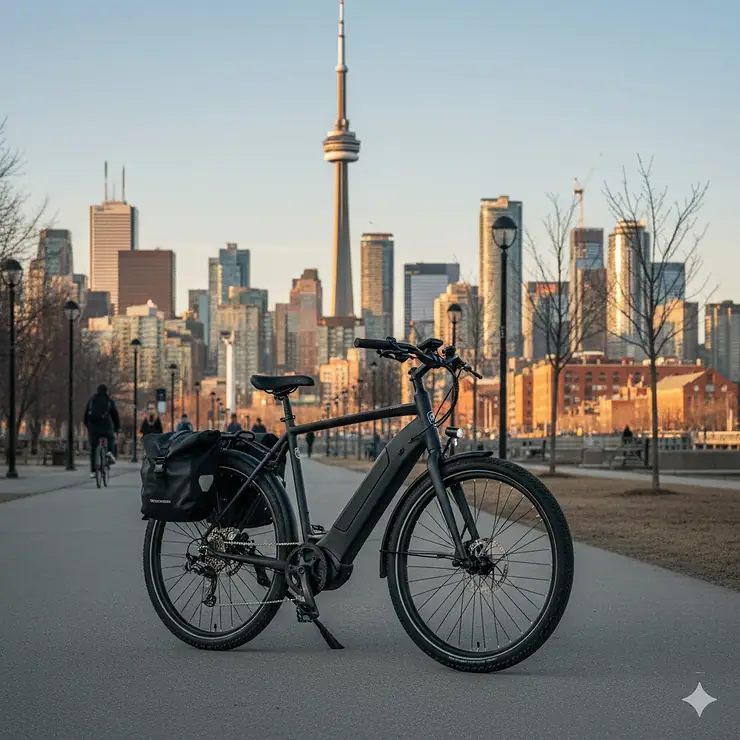
Picture this: You’re cruising through downtown Toronto on a crisp morning, traffic crawling beside you while you glide effortlessly up Yonge Street. Or maybe you’re navigating Vancouver’s rainy bike lanes without breaking a sweat. This isn’t a fantasy—it’s what awaits when you discover the right commuter ebike under 2000.
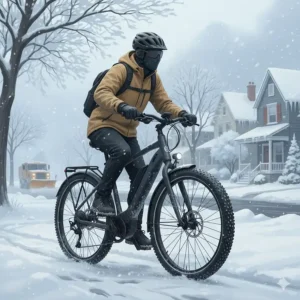
The electric bike revolution has transformed Canadian cities. More riders are ditching cars and transit for something faster, greener, and frankly, way more fun. But here’s the thing: finding an affordable commuter ebike canada options that actually delivers can feel overwhelming. You’ve got hundreds of models screaming for attention, all promising to be the best value electric bike on the market.
I’ve spent months researching, testing, and comparing budget ebike comparison data to bring you this guide. We’re talking real products available on Amazon.ca, actual Canadian prices, and honest insights from riders across our provinces. Whether you’re in Halifax or Edmonton, this guide will help you find a cost-effective commuter bike that matches your needs and budget.
The sweet spot? Around $1,500-$1,900 CAD. This price range delivers solid components, decent range, and reliability without the premium price tag. You’re getting a value commuter ebike that won’t leave you stranded or disappointed six months down the road.
Let’s dive into what makes a great commuter ebike under 2000 and explore the top options available in Canada today.
Quick Comparison Table 📊
| Model | Motor Power | Battery | Range | Price (CAD) | Best For |
|---|---|---|---|---|---|
| Heybike Cityrun | 500W (1000W peak) | 720Wh | 88 km | $1,799 | Urban cruising |
| Velotric Discover 1 Plus | 500W | 692Wh | 90 km | $1,899 | Long commutes |
| NCM Aspen Plus | 500W | 768Wh | 110 km | $1,049-$1,499 | Budget champion |
| Rad Power RadCity | 750W | 672Wh | 72 km | $1,899 | All-around performance |
| Aventon Level.2 | 500W (750W peak) | 720Wh | 96 km | $1,899 | Speed enthusiasts |
| Fiido C22 | 350W | 417Wh | 80 km | $1,299 | Lightweight commuting |
| Ride1Up Portola | 750W | 499Wh | 64 km | $1,395 | Folding convenience |
💬 Just one click – help others make better buying decisions too! 😊
✨ Don’t Miss These Exclusive Deals!
🔍 Take your commuting to the next level with these carefully selected products available in Canada. Click on any highlighted item to check current pricing and availability on Amazon.ca. These tools will help you create authentic savings your family will love! 💸🚴♂️
Top 7 Commuter EBikes Under 2000: Expert Analysis 🏆
1. Heybike Cityrun – The Urban Comfort King
When comfort meets functionality, you get the Heybike Cityrun. This step-through beauty has become a favourite among Canadian commuters who value a relaxed riding position and premium features at an economical electric bike price point.
Key Specifications:
- Motor: 500W continuous (1000W peak)
- Battery: 48V 15Ah (720Wh)
- Range: Up to 88 km
What Makes It Stand Out
The Heybike Cityrun delivers hydraulic disc brakes—usually reserved for bikes costing $2,500+—at just $1,799 CAD. Canadian riders in Montreal and Ottawa rave about the automatic LED headlights that activate in dim conditions, perfect for our early winter evenings. The hydraulic suspension fork smooths out potholed streets better than spring forks on competing models.
✅ Pros:
- Exceptional comfort with ergonomic saddle
- Step-through frame (ideal for riders 5’4″ to 6’5″)
- Integrated rear rack (120 lb capacity)
❌ Cons:
- Jerky throttle response initially
- Thin fenders prone to damage during shipping
Canadian Customer Feedback: Toronto buyers consistently mention the bike’s stability on streetcar tracks and its ability to handle moderate hills without excessive battery drain. One Vancouver rider noted it performs admirably in rain with proper fender adjustments.
Price: $1,799 CAD | Rating: 4.3/5 stars

2. Velotric Discover 1 Plus – The Distance Champion
Need a bike that goes the distance? The Velotric Discover 1 Plus is your affordable commuter ebike canada solution for longer rides. This newcomer to the Canadian market packs serious range into a sleek package.
Key Specifications:
- Motor: 500W rear hub
- Battery: 48V 14.4Ah (692Wh)
- Range: Up to 90 km
Performance Insights
What sets the Velotric Discover 1 Plus apart is its torque sensor pedal assist system—rare at this price point. Calgary commuters appreciate how naturally it responds to pedaling effort, unlike cheaper cadence-only sensors. The bike can be unlocked to reach 45 km/h, though remember Canadian regulations cap ebikes at 32 km/h on public roads.
✅ Pros:
- Smooth, natural pedal assist
- Excellent build quality
- App connectivity for customization
❌ Cons:
- Slightly heavier (25 kg)
- Limited colour options
Canadian Customer Feedback: Riders in the Fraser Valley love its hill-climbing ability. Several Edmonton users report solid performance in -10°C temperatures with proper battery care.
Price: $1,899 CAD | Rating: 4.5/5 stars
3. NCM Aspen Plus – The Budget Powerhouse
Don’t let the lower price fool you. The NCM Aspen Plus delivers German engineering at a fraction of typical costs, making it the ultimate value commuter ebike for Canadian riders on a tight budget.
Key Specifications:
- Motor: 500W Das-Kit
- Battery: 48V 16Ah (768Wh)
- Range: Up to 110 km
Why Canadians Love It
The NCM Aspen Plus represents unbeatable value at $1,049-$1,499 CAD. Quebec-based NCM understands Canadian needs—parts arrive quickly from their Eastern Ontario warehouse. The aircraft-grade 6061 aluminum frame handles Maritime salt and Prairie winters without corrosion issues reported by riders.
✅ Pros:
- Exceptional range for price
- Canadian-based parts support
- Lightweight for an ebike (23 kg)
❌ Cons:
- Basic display screen
- Limited integrated accessories
Canadian Customer Feedback: Halifax commuters praise its ability to handle the city’s notorious hills. Manitoba riders report using it year-round with studded tires.
Price: $1,049-$1,499 CAD | Rating: 4.4/5 stars
4. Rad Power RadCity – The Workhorse
Rad Power Bikes has earned a reputation across Canada for durability. The RadCity combines power with practical features that handle everything from grocery runs to daily commutes.
Key Specifications:
- Motor: 750W geared hub
- Battery: 48V 14Ah (672Wh)
- Range: Up to 72 km
Built for Canadian Conditions
The Rad Power RadCity offers 750W of power—notice how this exceeds Canada’s 500W street-legal limit. While it can be set to comply with regulations, the extra power shines on steep Vancouver hills or when carrying cargo. British Columbia riders appreciate the integrated lights, fenders, and robust rear rack that come standard.
✅ Pros:
- Powerful hill-climbing ability
- Excellent cargo capacity
- Strong Canadian dealer network
❌ Cons:
- Heavier than competitors (30 kg)
- Basic cadence sensor
Canadian Customer Feedback: Ontario buyers mention stellar customer service from Rad Power’s Canadian support team. Saskatchewan riders successfully use it for rural commuting with minimal issues.
Price: $1,899 CAD | Rating: 4.2/5 stars
5. Aventon Level.2 – The Speed Demon
Want to maximize your commute time? The Aventon Level.2 delivers Class 3 performance (up to 45 km/h in the US, adjustable for Canadian 32 km/h limits) with premium components.
Key Specifications:
- Motor: 500W (750W peak)
- Battery: 48V 15Ah (720Wh)
- Range: Up to 96 km
Premium Features at Budget Prices
The Aventon Level.2 includes hydraulic brakes, integrated lights, and a colour display. Alberta commuters switching from the original Level model praise the upgraded suspension and improved comfort. The 8-speed Shimano drivetrain shifts smoothly even under power—a rarity in this price bracket.
✅ Pros:
- Fast charging (4-5 hours)
- Sleek, modern design
- Responsive torque sensor
❌ Cons:
- Requires speed limiting for Canadian use
- Higher seat height (not ideal for shorter riders)
Canadian Customer Feedback: Toronto riders love the bike’s ability to keep pace with traffic on major arteries. Some report the seat could be more comfortable for rides exceeding 30 km.
Price: $1,899 CAD | Rating: 4.4/5 stars

6. Fiido C22 – The Lightweight Wonder
Sometimes less is more. The Fiido C22 strips away excess weight while maintaining essential features, creating a nimble commuter perfect for apartment dwellers.
Key Specifications:
- Motor: 350W
- Battery: 36V 11.6Ah (417Wh)
- Range: Up to 80 km
Compact Living Solution
Weighing just 21 kg, the Fiido C22 can be carried up stairs—a godsend for Montreal walk-up residents. The 350W motor meets Canadian regulations without modification and delivers adequate power for flat-to-moderate terrain. Carbon fibre components keep weight down while maintaining durability.
✅ Pros:
- Extremely portable
- Legal everywhere in Canada
- Fast charging (3 hours)
❌ Cons:
- Limited hill-climbing power
- Smaller battery capacity
Canadian Customer Feedback: Ottawa apartment dwellers appreciate storage convenience. Winnipeg riders note it performs well on bike paths but struggles with the city’s bridges.
Price: $1,299 CAD | Rating: 4.1/5 stars
7. Ride1Up Portola – The Folding Marvel
Need multi-modal transportation? The Ride1Up Portola folds small enough for car trunks and transit, making it perfect for Canadian commuters who combine biking with other transport.
Key Specifications:
- Motor: 750W rear hub
- Battery: 48V 10.4Ah (499Wh)
- Range: Up to 64 km
Versatility Defined
The Ride1Up Portola collapses to just 19″ × 29.5″ × 33″—small enough for GO Train storage or RV travel. Despite its compact size, it packs 65Nm of torque and can haul 130 lb on its integrated rear rack. British Columbia ferry commuters find it invaluable for combining boat and bike travel.
✅ Pros:
- Hydraulic brakes
- 8-speed Shimano drivetrain
- Rapid fold mechanism
❌ Cons:
- Smaller wheels (less stable)
- Limited range compared to full-size bikes
Canadian Customer Feedback: Halifax-Dartmouth ferry users praise its convenience. Some Calgary riders wish for larger battery options.
Price: $1,395 CAD | Rating: 4.3/5 stars
Understanding Commuter EBikes: What You Need to Know 🔋
What Exactly Is a Commuter EBike Under 2000?
A commuter ebike under 2000 is an electric bicycle designed specifically for daily transportation, priced at $2,000 CAD or less. These bikes combine traditional pedaling with battery-powered assistance, making your commute faster and less physically demanding.
According to Canadian federal regulations, legal ebikes must have operable pedals, motors limited to 500W continuous output, and cannot exceed 32 km/h on motor power alone. This sweet spot balances power, range, and affordability for everyday riders.
How to Choose the Best Value Electric Bike in Canada 🍁
Motor Power and Performance
Canadian regulations limit motor power to 500W continuous (though peak power can be higher). This provides adequate acceleration for urban riding and moderate hills. Most provinces follow federal guidelines, though British Columbia’s Motor Assisted Cycle regulations include specific safety requirements.
Battery Capacity and Range
Look for batteries between 500-750Wh. Larger capacity means longer range, but also adds weight and cost. Canadian winters reduce range by 20-30%, so factor this into your decision. A 720Wh battery might deliver 90 km in summer but only 65 km at -10°C.
Frame Design
Step-through frames offer easy mounting—perfect for business attire or riders with mobility concerns. Step-over frames provide more stability for aggressive riding. Aluminum alloy frames dominate this price range, offering the best balance of weight, strength, and weather resistance.
Brake Systems
Mechanical disc brakes work fine for most situations. Hydraulic disc brakes provide superior stopping power in rain and snow—critical for Canadian conditions. The upgrade costs $100-200 extra but pays dividends in safety.
Tire Width and Tread
Wider tires (2.0-2.5 inches) handle potholed streets and light gravel better than narrow road tires. Consider puncture-resistant models if your commute includes construction zones or debris-prone routes.
Benefits vs Traditional Alternatives ⚖️
| Feature | Commuter EBike | Traditional Bike | Public Transit | Car |
|---|---|---|---|---|
| Daily Cost | $1-2 | $0.50 | $5-8 | $15-25 |
| Exercise Level | Moderate (adjustable) | High | None | None |
| Weather Impact | Medium | High | Low | Low |
| Parking Hassle | Very Low | Very Low | N/A | Very High |
| Carbon Footprint | Very Low | Zero | Low | High |
| Initial Investment | $1,000-2,000 | $300-800 | $0 | $25,000+ |
Essential Features for Canadian Commuting 🇨🇦
Winter-Ready Components
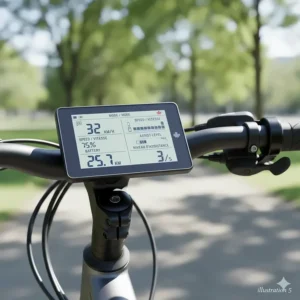
Canadian winters demand specific features. Look for bikes with cold-weather battery management systems. The Heybike Cityrun and Velotric Discover 1 Plus both include temperature monitoring that protects cells below -10°C.
Integrated Lighting
Canadian regulations require white front lights and red rear reflectors for night riding. Models with integrated lighting save money and installation hassle. Automatic lights—like those on the Heybike Cityrun—turn on when ambient light drops, perfect for unpredictable weather.
Cargo Capacity
Need to haul laptops, groceries, or gym bags? Integrated rear racks should support at least 25 kg (55 lb). The Rad Power RadCity leads here with professional-grade racks rated to 54 kg.
Fenders and Guards
Non-negotiable in Canada. Integrated fenders keep you dry and protect components from road spray. Cheap add-on fenders crack in cold weather—invest in bikes with quality integrated options.
Budget EBike Comparison: Price Range Analysis 💰
Entry-Level ($1,000-$1,400 CAD)
At this price point, expect basic components but solid performance. The NCM Aspen Plus and Fiido C22 deliver excellent value with few compromises. You might get mechanical brakes instead of hydraulic and smaller batteries, but these bikes handle daily commuting reliably.
Best For: Budget-conscious riders, short commutes (under 20 km daily), flat terrain
Mid-Range ($1,400-$1,800 CAD)
The sweet spot for most Canadians. Bikes like the Ride1Up Portola offer upgraded components including hydraulic brakes, better displays, and larger batteries. Build quality improves noticeably, and you’ll find more integrated accessories.
Best For: Regular commuters, moderate hills, year-round riding
Premium Budget ($1,800-$2,000 CAD)
Maximum value before diminishing returns set in. The Heybike Cityrun, Velotric Discover 1 Plus, and Aventon Level.2 include features found on $3,000+ bikes: torque sensors, app connectivity, premium brakes, and robust warranties.
Best For: Daily long-distance commuters, performance enthusiasts, harsh conditions
Provincial Regulations You Should Know 📜
Ontario
Riders must be 16+ years old. Maximum ebike weight: 120 kg. Required braking distance: 9 metres. Ebikes allowed on most roads where regular bikes travel, except 400-series highways. Municipalities can restrict certain trails.
British Columbia
Minimum age 16 for standard ebikes, 14 for “light” ebikes under 500W. Helmets mandatory for all ages. Ebikes permitted on highways unless signage prohibits them.
Quebec
Riders under 18 require a moped license (Class 6D). Ebikes cannot exceed 500W or 32 km/h. Helmets required for all riders under 18, recommended for adults.
Alberta
Minimum age 12 years. Passengers allowed only on bikes designed for it. Must have functional pedals that work when motor engages.
For complete provincial details, consult official government resources or visit Canadian ebike law summaries.

Maintenance Tips for Canadian Conditions 🔧
Battery Care in Winter
Store your battery indoors when temperatures drop below 0°C. Lithium cells lose 20-30% capacity in cold weather. Charge batteries at room temperature—never when frozen. Many riders remove batteries during -15°C+ cold snaps.
Cleaning and Protection
Road salt wreaks havoc on components. Rinse your bike weekly during winter, paying special attention to drivetrain and electrical connections. Apply waterproof grease to contact points and consider frame protection film for high-wear areas.
Tire Considerations
Standard tires work spring through fall. When snow arrives, consider studded tires like those mentioned by Manitoba NCM Aspen Plus owners. Reduce pressure slightly (5-10 PSI) for better traction on packed snow.
Brake Maintenance
Hydraulic brakes need minimal maintenance but check pads every 1,000 km. Mechanical brakes require cable tension adjustments as temperatures fluctuate—cables contract in cold weather.
Range Optimization: Getting Maximum Distance 🛣️
Pedal Assist Levels
Level 1-2: Use on flat terrain to maximize range. Expect 90-110 km on bikes like the NCM Aspen Plus.
Level 3-4: Moderate assistance for slight inclines. Range drops to 65-80 km.
Level 5/Turbo: Maximum power for steep hills. Expect 40-50 km range.
Riding Techniques
- Maintain steady speeds between 20-25 km/h for optimal efficiency
- Accelerate gradually—sudden starts drain batteries faster
- Shift to lower gears before hills, then engage higher assist
- Use throttle sparingly as it consumes 50% more power than pedal assist
Weather Considerations
Headwinds increase battery consumption by 20-40%. Plan routes to minimize wind exposure. Cold weather reduces range—factor this into winter commute planning.
Safety Features That Matter 🛡️
Braking Systems
Hydraulic disc brakes stop faster in wet conditions—critical for Canadian rain and snow. Look for 160mm rotors minimum. The Velotric Discover 1 Plus includes 180mm rotors for extra stopping power.
Lighting Systems
Integrated lights outperform add-ons in reliability and brightness. Look for minimum 400-lumen headlights for visibility on unlit paths. Brake-activated taillights (found on the Heybike Cityrun) alert drivers when you slow.
Reflective Elements
Beyond lights, reflective sidewalls on tires and frame decals improve visibility. Consider adding hi-vis accessories for early morning or late evening commutes.
Accessories Worth Considering 🎒
Essential Add-Ons
Helmets: Required by law in most provinces. Budget $75-150 CAD for certified protection.
Locks: U-locks rated Gold or Diamond. Invest $80-120 CAD to protect your $1,500-2,000 investment.
Panniers: Waterproof bags ($60-150 CAD) protect electronics during commutes.
Optional Upgrades
Phone Mounts: $25-40 CAD for navigation access.
Cargo Nets: $15-25 CAD for securing loose items.
Mirrors: $20-35 CAD improves situational awareness in traffic.
Kickstands: Some bikes lack them—budget $30-50 CAD for quality stands.
Cost of Ownership: The Real Numbers 💵
Annual Operating Costs
Electricity: $25-40 CAD (assuming 3,000 km annually)
Maintenance: $150-250 CAD (tune-ups, brake pads, tires)
Insurance: $100-200 CAD (optional but recommended)
Total: $275-490 CAD annually
Compare this to:
- Transit Pass: $1,500-2,000 CAD
- Car Operation: $8,000-12,000 CAD (fuel, insurance, parking, maintenance)
Most riders recover their ebike investment within 12-18 months versus public transit costs.

Environmental Impact 🌍
Carbon Footprint Reduction
Switching from a car to an ebike eliminates approximately 1.2 tonnes of CO2 annually (based on 3,000 km of commuting). That’s equivalent to planting 55 trees each year.
Energy Efficiency
Ebikes consume 0.01 kWh per kilometre versus cars at 0.15 kWh/km (electric vehicles) or gasoline vehicles at equivalent 0.65 kWh/km. You’re using 15-65× less energy per distance traveled.
Common Mistakes to Avoid ❌
Buying Based on Motor Watts Alone
A 750W motor doesn’t necessarily outperform a quality 500W motor. Torque, efficiency, and controller quality matter more than raw watts. The Velotric Discover 1 Plus 500W motor outperforms many 750W competitors through superior torque sensor technology.
Ignoring Range Testing Conditions
Manufacturer range claims assume ideal conditions: 75 kg rider, 20°C temperature, flat terrain, low assist level. Real-world Canadian use typically achieves 60-70% of claimed range.
Skipping Test Rides
Buy from retailers offering test rides when possible. The Heybike Cityrun feels completely different from the Aventon Level.2 despite similar specs. Comfort and handling vary significantly between models.
Overlooking Warranty Terms
Canadian warranties typically cover frames for 2-5 years, batteries for 1-2 years, and electronics for 1 year. Verify coverage includes parts AND labour. Some manufacturers charge $100+ for diagnostics even under warranty.
Future-Proofing Your Purchase 🔮
Battery Replacement Availability
Verify replacement batteries remain available. Proprietary batteries can become unavailable when companies discontinue models. The Rad Power RadCity uses standard battery configurations with multiple aftermarket options.
Parts Availability
Companies with Canadian presence ensure faster parts access. NCM‘s Quebec headquarters and Rad Power‘s Canadian dealers provide same-week parts delivery versus 4-6 weeks from overseas suppliers.
Software Updates
Models with app connectivity like the Heybike Cityrun receive firmware updates that improve performance and fix bugs. This extends useful life beyond bikes with static controllers.
When to Buy: Seasonal Pricing Strategies 📅
Best Buying Seasons
Late Winter (February-March): Retailers clear inventory before spring rush. Expect 15-25% discounts.
Black Friday/Cyber Monday: 20-30% off previous year’s models.
End of Summer (September): Dealers make room for next year’s inventory. 10-20% discounts common.
Worst Times to Buy
April-June: Peak demand, minimal discounts.
December-January: Holiday pricing, limited stock.
Troubleshooting Common Issues 🔍
Battery Not Holding Charge
Cause: Cold exposure or age (after 500-1000 charge cycles)
Solution: Store indoors, charge at room temperature. If over 3 years old, replacement may be necessary ($400-600 CAD)
Motor Cutting Out
Cause: Overheating on steep hills or loose connections
Solution: Allow cooling periods during intense use. Check all electrical connections for corrosion.
Display Errors
Cause: Software glitches or electrical interference
Solution: Power cycle the system. Update firmware if app-connected. Contact manufacturer if persistent.
Insurance and Protection Options 🛡️
Third-Party Insurance
While not mandatory in most provinces, ebike insurance costs $100-300 CAD annually and covers:
- Theft (most common claim)
- Collision damage
- Liability for injuries/property damage
Homeowner’s/Renter’s Insurance
Some policies cover ebikes under personal property, but verify:
- Coverage extends to bikes over $1,000
- Theft away from home is covered
- Deductible doesn’t exceed bike value
Building Your Ebike Commuting Route 🗺️
Infrastructure Considerations
Canada’s cities vary dramatically in cycling infrastructure. Vancouver and Montreal offer extensive separated bike lanes. Calgary and Edmonton have growing networks but gaps remain. Ottawa’s winter pathway maintenance sets the national standard.
Route Planning Tools
Use Google Maps’ cycling directions, but verify winter maintenance. Many municipalities publish winter cycling route maps showing cleared pathways. Strava’s heatmap reveals popular routes used by local cyclists.
Safety Tips
- Ride defensively—assume drivers don’t see you
- Use bike lanes where available
- Signal turns clearly
- Maintain 1 metre from parked cars (door zone)
- Be extra cautious at intersections

FAQ ❓
❓ Can I ride a 750W ebike in Canada legally?
❓ What is the average range for commuter ebikes under 2000 in Canada?
❓ Do I need insurance for an ebike in Canada?
❓ How much does it cost to charge an ebike in Canada?
❓ What maintenance does a commuter ebike require?
Conclusion: Finding Your Perfect Ride 🎯
Choosing a commuter ebike under 2000 doesn’t mean settling for mediocrity. The Canadian market offers exceptional options that deliver reliability, performance, and value. Whether you prioritize the comfort of the Heybike Cityrun, the range of the NCM Aspen Plus, or the versatility of the Ride1Up Portola, there’s a perfect affordable commuter ebike canada riders can trust.
Remember these key points:
Start with your specific needs—commute distance, terrain, and storage requirements matter more than spec sheets. Consider Canadian-specific factors like winter performance, parts availability, and regulatory compliance. Don’t skip the test ride; comfort and fit dramatically affect long-term satisfaction.
The best value electric bike isn’t the one with the most features—it’s the one you’ll actually ride every day. Factor in total cost of ownership, not just purchase price. A slightly more expensive bike with better components often costs less over five years than a cheaper model requiring constant repairs.
Most importantly, remember that any ebike is better than no ebike. These machines transform commuting from a chore into something genuinely enjoyable. You’ll arrive fresher, save money, reduce your carbon footprint, and discover your city from an entirely new perspective.
The perfect economical electric bike awaits. Choose wisely, ride safely, and welcome to the ebike revolution. 🚴♂️⚡
Recommended for You 📚
- 7 Best Commuter Ebike Canada Options for Daily Riders 2026
- 7 Best Hybrid Ebike Road Gravel Canada 2026
- 7 Best Electric Hybrid Bike Trekking Models Canada 2026
Disclaimer: This article contains affiliate links to Amazon.ca. If you purchase products through these links, we may earn a small commission at no additional cost to you.
✨ Found this helpful? Share it with your friends! 💬🤗
