
In This Article
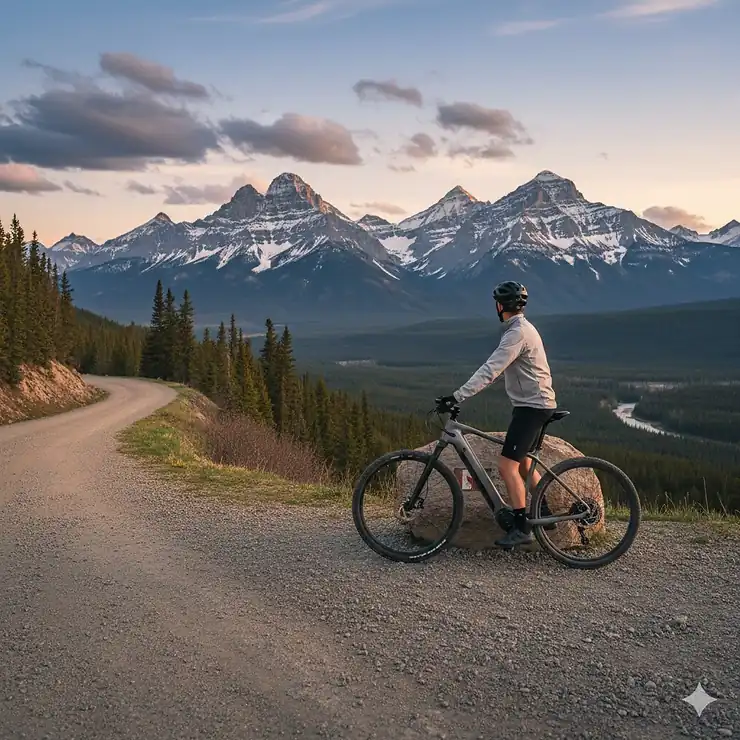
Picture this: you’re cruising down a smooth asphalt road in Vancouver, then suddenly you veer off onto a rocky gravel trail in the Fraser Valley—all on the same ride, without breaking a sweat. That’s the magic of a hybrid ebike road gravel.
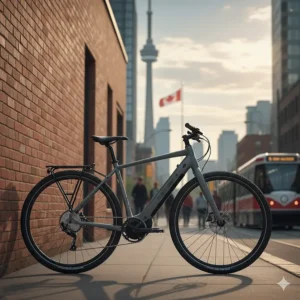
If you’ve been scrolling through cycling forums or chatting with fellow riders at your local bike shop, you’ve probably noticed the buzz around these versatile machines. And for good reason. A hybrid ebike road gravel combines the speed and efficiency of road bikes with the rugged capability of gravel bikes, all while giving you that extra electric boost to conquer Canada’s diverse terrain—from the rolling hills of Ontario to the challenging climbs of British Columbia.
What makes these bikes particularly brilliant for Canadian riders? Well, they’re built to handle everything our beautiful but unpredictable landscape throws at them. One moment you’re navigating city bike lanes during your Toronto commute, the next you’re exploring the Trans Canada Trail on a weekend adventure. According to Canadian federal regulations, ebikes are limited to 500W motor output and 32 km/h (20 mph) on motor power alone, making them accessible without requiring a license or insurance—perfect for both seasoned cyclists and newcomers alike.
The best part? Modern hybrid ebike road gravel models have evolved dramatically. We’re talking lightweight carbon frames, whisper-quiet motors, impressive battery ranges that can take you 100+ kilometres, and tire clearances that accommodate everything from slick 700c road tires to beefy 2.2-inch gravel rubber. Whether you’re a weekend warrior looking to extend your range or a daily commuter tired of arriving at work drenched in sweat, there’s a model that fits your needs and budget.
Quick Comparison Table
| Model | Motor System | Battery | Weight | Price (CAD) | Best For |
|---|---|---|---|---|---|
| Specialized Turbo Creo 2 Comp | Turbo SL 1.2 (320W, 50Nm) | 320Wh | ~14.5kg | $9,499 | Premium versatility |
| Cannondale Topstone Neo Carbon Lefty 3 | Bosch Performance Line CX | 500Wh | ~15.5kg | $7,500-$8,500 | Suspension comfort |
| Ribble CGR AL e | MAHLE X35+ (250W, 40Nm) | 250Wh | ~13.6kg | $3,500-$4,200 | Budget-conscious |
| Canyon Grail:ON CF 7 | Bosch Performance Line CX | 500Wh | ~16.1kg | $6,800-$7,400 | All-around performance |
| Ride1Up CF Racer 1 | 36V 250W Hub | 252Wh (36V 7Ah) | ~12.7kg | $2,949 | Best value |
| GT Grade Amp | MAHLE Ebikemotion (250W) | 250Wh | ~14.8kg | $3,800-$4,500 | Responsive handling |
| Merida eSilex+ 600 | eBikemotion X35 | 250Wh | ~15kg | $4,200-$4,800 | Bikepacking adventures |
💬 Just one click – help others make better buying decisions too! 😊
Top 7 Hybrid Ebike Road Gravel: Expert Analysis
1. Specialized Turbo Creo 2 Comp – The Premium All-Rounder
If you’re serious about performance and have the budget to match, the Specialized Turbo Creo 2 Comp represents the pinnacle of hybrid ebike road gravel engineering. This Canadian favourite delivers a riding experience that genuinely blurs the line between traditional cycling and electric assistance.
Key Specifications:
- Turbo SL 1.2 motor (320W power, 50Nm torque)
- FACT 11r carbon frame and fork
- 320Wh integrated battery with range extender option
- Tire clearance up to 700c x 47mm or 29″ x 2.2″
Available across Canada at retailers like Cycle Néron and The Bike Zone, the Creo 2 Comp commands a price of approximately $9,499 CAD. Yes, that’s a significant investment, but Canadian riders consistently praise its whisper-quiet motor operation (40% quieter than predecessors), progressive endurance geometry, and Future Shock 3.0 suspension that reduces handlebar impacts by 53%.
✅ Pros: Exceptional power delivery, premium components, huge tire clearance, dropper post compatible
✅ Pros: MasterMind TCU with 120 display configurations
✅ Pros: Up to 5 hours of range with proper power management
❌ Cons: Premium pricing puts it out of reach for many riders
❌ Cons: Heavier than non-motorized gravel bikes
Canadian buyers particularly appreciate the bike’s ability to handle winter commuting and summer gravel adventures equally well. Free shipping across Canada typically takes 1-2 weeks depending on your province.
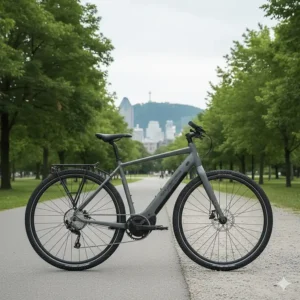
2. Cannondale Topstone Neo Carbon Lefty 3 – Suspension Specialist
The Cannondale Topstone Neo Carbon Lefty 3 brings something unique to the Canadian market with its iconic single-sided Lefty fork—a conversation starter at every trailhead. This mid-drive gravel ebike features both front and rear suspension, making it exceptionally comfortable on Canada’s rougher backcountry routes.
Key Specifications:
- Bosch Performance Line CX motor (85Nm torque)
- 500Wh battery capacity
- Lefty Oliver gravel fork with 30mm travel
- Shimano GRX 812/600 11-speed drivetrain
Priced between $7,500-$8,500 CAD depending on your chosen spec level, Canadian riders report this model excels on technical terrain while maintaining road bike efficiency on pavement. The BallisTec carbon frame with integrated Kingpin rear suspension (10-30mm travel) smooths out everything from washboard gravel to root-riddled singletrack.
✅ Pros: Unique suspension system handles rough Canadian trails
✅ Pros: Powerful Bosch motor for steep climbs
✅ Pros: Clearance for 700x40mm or 650b x 48mm tires
❌ Cons: Heavier than hub-motor competitors
❌ Cons: Proprietary fork limits upgrade options
Reviews from Ontario and BC riders highlight exceptional stability at speed and confident cornering—crucial when navigating loose gravel descents.
3. Ribble CGR AL e – Budget Champion
For Canadian riders seeking quality without the premium price tag, the Ribble CGR AL e delivers remarkable value. This lightweight hybrid combines a SmartForm C2 aluminium frame with the proven MAHLE X35+ rear hub motor system.
Key Specifications:
- MAHLE X35+ motor (250W, 40Nm)
- 250Wh downtube-integrated battery
- Shimano GRX 2×10-speed components
- Weight: approximately 13.6kg
With pricing around $3,500-$4,200 CAD through select Canadian retailers, the CGR AL e represents one of the most accessible entry points into premium gravel electric bike canada territory. The rear hub motor provides natural pedaling feel, and the compact battery enables a sleek aesthetic that doesn’t scream “ebike.”
✅ Pros: Affordable pricing for Canadian market
✅ Pros: Lightweight construction
✅ Pros: Natural pedaling dynamics with hub motor
❌ Cons: Limited battery capacity reduces range
❌ Cons: Less powerful motor than mid-drive competitors
Canadian buyers report 60-80km range on mixed terrain—sufficient for most weekend rides and daily commutes. Ribble’s online configurator allows customization, though shipping to Canada can add 2-3 weeks delivery time.
4. Canyon Grail:ON CF 7 – German Engineering for Canadian Trails
Canyon’s direct-to-consumer model brings European engineering excellence to Canadian doorsteps at competitive prices. The Grail:ON CF 7 features the brand’s innovative two-tier handlebar design and powerful Bosch drive system.
Key Specifications:
- Bosch Performance Line CX motor (85Nm)
- 500Wh battery with optional range extender
- Unique double-decker handlebar for multiple hand positions
- SRAM Apex 1×11 drivetrain
Priced at $6,800-$7,400 CAD, this mixed surface ebike arrived in Canada with impressive reviews. The carbon frame keeps weight manageable (~16.1kg), while the Bosch motor handles steep gradients with ease—perfect for riders in hilly regions like the Gatineau Hills or North Shore mountains.
✅ Pros: Innovative handlebar provides superior comfort
✅ Pros: Powerful motor system
✅ Pros: Direct-to-consumer pricing advantage
❌ Cons: Unique handlebar may not suit all riders
❌ Cons: Limited local dealer support in some provinces
Canadian riders praise the bike’s versatility, noting it handles everything from paved bike paths to challenging gravel roads. Canyon ships directly across Canada with estimated delivery of 5-10 business days.
5. Ride1Up CF Racer 1 – The Value King
American brand Ride1Up has made waves in the Canadian market with the CF Racer 1, offering full carbon construction at a price point that seems almost impossible. This road trail hybrid electric truly delivers bang for your buck.
Key Specifications:
- 36V 250W hub motor (42Nm torque)
- 252Wh (36V 7Ah) battery seamlessly integrated
- Full carbon frame, fork, seatpost, and handlebars
- SRAM Rival 1 hydraulic disc brakes
At just $2,949 CAD (approximately $2,195 USD), this represents exceptional value for Canadian buyers willing to purchase from the US. The bike weighs merely 12.7kg and can be configured for either road (700x32c tires) or gravel (700x40c tires) use.
✅ Pros: Incredible price-to-performance ratio
✅ Pros: Lightweight carbon everywhere
✅ Pros: Class 3 capable (28mph/45km/h) – note Canadian legal limits
❌ Cons: Smaller battery limits range
❌ Cons: Cross-border shipping may complicate warranty
Important note for Canadian buyers: While capable of higher speeds, remember that Canadian regulations limit motor assistance to 32 km/h. Many riders report 50-70km range, perfect for spirited weekend rides.
6. GT Grade Amp – Responsive All-Road Warrior
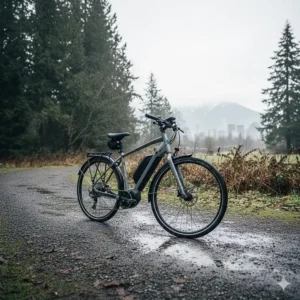
The GT Grade Amp brings GT’s mountain bike DNA to the gravel-ready electric bike segment with responsive geometry and proven components. This aluminium-framed adventure gravel electric handles technical terrain with surprising agility despite its electric assistance.
Key Specifications:
- MAHLE Ebikemotion rear hub motor (250W)
- 250Wh integrated battery
- Clearance for 42mm WTB Resolute tires
- Weight: 14.8kg
Typically priced around $3,800-$4,500 CAD at Canadian dealers, the Grade Amp uses the same geometry as GT’s non-powered Grade Carbon, ensuring nimble handling. The firm fork and aluminium frame deliver direct feedback—you’ll feel connected to the trail even with motor assistance.
✅ Pros: Responsive, race-oriented geometry
✅ Pros: Fast-rolling tire choice
✅ Pros: Proven MAHLE system reliability
❌ Cons: Firm ride quality on rough surfaces
❌ Cons: Limited suspension compliance
Canadian riders in prairie provinces particularly appreciate the bike’s efficiency on smoother gravel roads and rail trails. Available through GT dealers across major Canadian cities.
7. Merida eSilex+ 600 – Bikepacking Beast
For Canadian adventurers planning multi-day trips exploring the Trans Canada Trail or remote provincial parks, the Merida eSilex+ 600 offers the perfect blend of comfort, cargo capacity, and electric assistance.
Key Specifications:
- eBikemotion X35 motor (250W)
- 250Wh battery capacity
- Aluminium frame with thin tubing for reduced resonance
- Extensive mounting options for racks and bags
Priced at $4,200-$4,800 CAD, the eSilex+ prioritizes all-day comfort with relaxed geometry and a quiet ride quality. The thin aluminium tubing dampens vibrations better than chunky carbon frames, and mounts galore let you outfit the bike for serious touring.
✅ Pros: Excellent for loaded touring and bikepacking
✅ Pros: Comfortable geometry for long distances
✅ Pros: Quiet motor operation
❌ Cons: Heavier than race-focused models
❌ Cons: Less responsive handling when unladen
Reviews from Canadian bikepackers highlight the bike’s stability when loaded with panniers and camping gear—essential for multi-surface hybrid ebike adventures through varied terrain.
Understanding Hybrid Ebike Road Gravel Technology
Motor Systems: Mid-Drive vs Hub Drive
The heart of any gravel electric bike canada is its motor system. You’ll encounter two primary types in the Canadian market, each with distinct characteristics suited to different riding styles.
Mid-drive motors like the Bosch Performance Line CX and Specialized Turbo SL 1.2 position the motor at the bike’s crankset, delivering power directly through the drivetrain. This placement offers superior weight distribution and more natural pedaling feel, particularly beneficial when tackling steep climbs on trails like those in Banff National Park. The centralized weight improves handling, and the motor works more efficiently by leveraging your bike’s gears. However, mid-drive systems typically cost more and can accelerate drivetrain wear.
Hub motors, found on models like the Ribble CGR AL e and GT Grade Amp, mount inside the rear wheel hub. These systems are lighter, more affordable, and simpler mechanically. The MAHLE Ebikemotion system, popular on many adventure gravel electric bikes, provides subtle assistance that feels almost imperceptible—like a gentle tailwind. The downside? Less torque for steep climbs and slightly less natural pedaling dynamics.
For Canadian conditions—where you might encounter everything from steep Rocky Mountain passes to flat prairie trails—mid-drive motors generally provide more versatility, though hub motors excel for riders prioritizing budget and low weight.
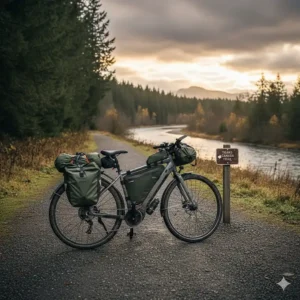
Battery Capacity and Canadian Range Considerations
Battery capacity directly impacts how far you can ride, but the relationship isn’t linear. A 500Wh battery doesn’t necessarily provide twice the range of a 250Wh battery—your actual distance depends on multiple factors.
Range factors specific to Canadian riding:
- Temperature: Cold Canadian winters reduce battery performance by 20-30%. Most manufacturers rate batteries at 20°C (68°F), but riding in -10°C conditions significantly impacts range.
- Terrain: Hilly regions like British Columbia’s Interior demand more power than flat routes in Saskatchewan.
- Wind: Prairie headwinds can drain batteries faster than steep climbs.
- Tire choice: Wide, knobby tires for gravel reduce efficiency compared to slick road rubber.
Most riders report 50-100km range on mixed terrain with moderate assistance. The Specialized Turbo Creo 2 Comp boasts up to 190km range with the optional range extender—sufficient for epic rides like the Kettle Valley Rail Trail in BC. Budget models with 250Wh batteries typically deliver 40-70km, adequate for most recreational rides and commutes.
Pro tip for Canadian winters: Store your ebike battery indoors and install it just before riding. Some riders carry the battery inside their jacket for the first few kilometres to warm it up.
Tire Clearance: The Key to True Versatility
One specification that dramatically impacts a multi-surface hybrid ebike’s capability is tire clearance. Modern gravel ebikes accommodate significantly wider rubber than traditional road bikes, transforming their capabilities.
The Specialized Turbo Creo 2, for example, clears up to 700c x 47mm or even 29″ x 2.2″ tires—that’s proper mountain bike rubber on a drop-bar frame. This flexibility lets you optimize for conditions:
- 700c x 32-35mm: Fast rolling on pavement and hard-packed gravel
- 700c x 38-42mm: Balanced performance for mixed Canadian conditions
- 700c x 45mm+: Maximum grip and comfort on loose gravel and dirt
- 650b wheels: Lower tire profile provides supple ride and greater volume
For Canadian riders facing varied conditions, we recommend at least 40mm clearance. Many riders maintain two wheelsets: slick 700c for road-heavy riding and knobbier 650b for adventurous gravel expeditions.
Geometry: Stability Meets Agility
Gravel-ready electric bike geometry differs from both traditional road and mountain bikes. Manufacturers optimize several key measurements for mixed-surface capability:
Head tube angle: Slacker angles (70-72°) improve stability at speed on rough terrain and descents. The Cannondale Topstone Neo uses a relaxed head angle paired with 55mm fork offset—a combination that delivers confidence-inspiring stability without feeling sluggish.
Wheelbase: Longer wheelbases (1,050-1,100mm) provide stability for loaded touring and high-speed descents. Shorter wheelbases favor nimble handling for technical singletrack.
Bottom bracket drop: Lower BBs (~70-75mm drop) enhance stability but reduce pedal clearance over obstacles. Higher BBs suit technical terrain but feel less planted.
Chainstay length: The GT Grade Amp’s geometry prioritizes responsive handling with moderate chainstays, while the Merida eSilex+ extends them for touring stability.
For Canadian riders tackling diverse terrain, moderate geometry strikes the best balance—stable enough for confidence on loose gravel descents, agile enough for urban maneuvering.
How to Choose Your Hybrid Ebike Road Gravel in Canada
1. Define Your Primary Use Case
Before diving into specifications, honestly assess how you’ll use the bike. Canadian riders typically fall into three categories:
Commuter-focused: Prioritize reliability, fender mounts, integrated lighting, and moderate battery range (50-70km). Models like the Ribble CGR AL e or GT Grade Amp fit this profile. You’ll spend most time on pavement with occasional gravel path diversions.
Weekend adventurer: Seek versatile bikes handling varied terrain with good range and comfort. The Canyon Grail:ON CF 7 or Specialized Turbo Creo 2 excel here, offering power for ambitious rides exploring provincial parks and rail trails.
Touring/bikepacking enthusiast: Demand extensive mounting options, comfortable geometry, and bombproof reliability. The Merida eSilex+ 600 caters specifically to this segment with relaxed geometry and cargo-friendly design.
2. Establish Your Budget
Hybrid ebike road gravel prices in Canada span a wide range:
Under $3,500 CAD: Entry-level models with hub motors and aluminium frames. Expect 250Wh batteries and component compromises, but still excellent value for recreational riders.
$3,500-$6,000 CAD: Sweet spot for most Canadian buyers. Quality components, proven motor systems, and good warranties. The Canyon Grail:ON and Cannondale Topstone Neo SL models occupy this bracket.
$6,000-$10,000 CAD: Premium territory with carbon frames, top-tier components, and advanced motor systems. The Specialized Turbo Creo 2 justifies its price with exceptional performance.
Over $10,000 CAD: S-Works and boutique builds for enthusiasts demanding the absolute best.
Remember: the initial purchase is just the start. Budget for accessories (lights, fenders, racks), maintenance, potential battery replacement ($800-1,200 after 3-5 years), and provincial sales tax (varies by province).
3. Consider Canadian Climate and Terrain
Your province dramatically influences the ideal road trail hybrid electric choice:
British Columbia: Hilly terrain demands powerful mid-drive motors and good battery capacity. The wet climate necessitates quality mudguards and hydraulic disc brakes. Consider models with wider tire clearance for technical trails.
Alberta: Mix of mountain passes and prairie flats. Versatile mid-range bikes work well. Wind is a significant factor—prioritize battery capacity if riding exposed areas.
Ontario/Quebec: Varied terrain from urban cycling to countryside exploration. Most models perform well, though winter riding capability becomes important for year-round commuters.
Prairies (Saskatchewan/Manitoba): Predominantly flat terrain and significant wind. Hub motors suffice for most riding, but battery capacity matters for headwind battles. Heavier bikes with more powerful motors less critical than in mountainous regions.
Atlantic Provinces: Rolling terrain and changeable weather. All-around capability important. Consider models with good weather sealing for salty coastal air.
4. Test Ride Before Buying
Nothing replaces actual saddle time. Most Canadian bike shops offer test rides, and many host demo days showcasing multiple models. When test riding:
Evaluate motor characteristics: Does power delivery feel natural or abrupt? Can you modulate assistance smoothly?
Assess comfort: Canadian rides often stretch hours. Is the geometry comfortable for your body?
Test handling: How does the bike corner on gravel? Does it feel stable at speed?
Check accessibility: Can you easily operate controls while riding? Is the display readable in bright sunlight?
Major Canadian cities like Vancouver, Toronto, Calgary, and Montreal host multiple dealers carrying various brands. Smaller communities may require traveling to try bikes, but it’s worth the effort for such a significant purchase.
5. Verify Canadian Compatibility
Before purchasing, especially from international retailers, confirm:
Regulatory compliance: Motor must be 500W or less and limit assistance to 32 km/h to meet Canadian federal standards.
Warranty coverage: Some manufacturers offer different warranty terms for Canada. Verify coverage and service center locations.
Parts availability: Can you source replacement parts through Canadian dealers? This matters especially for proprietary components.
Electrical standards: Chargers must work with Canadian 120V electrical systems.
6. Plan for Accessories and Upgrades
A complete multi-surface hybrid ebike setup requires more than just the bike:
Essential accessories:
- Quality helmet (mandatory across Canada)
- Lights (front white, rear red—required by law in most provinces for night riding)
- Lock (budget $100-200 for quality U-lock protecting your investment)
- Fenders (wet Canadian conditions make these essential)
- Spare battery (for the Specialized Turbo range, adds $650-800 CAD)
Nice-to-have upgrades:
- Tubeless tire setup (reduces flats, improves ride quality)
- Dropper post (many models include this already)
- Bike computer/GPS (though many ebikes integrate displays)
- Cargo racks and panniers (for touring setups)
- Winter tires (studded options for year-round riding)
Budget an additional $500-1,000 CAD for a well-equipped setup beyond the base bike price.
7. Understand Maintenance Requirements
Electric gravel bikes require more maintenance than traditional bicycles:
Regular maintenance (DIY possible):
- Chain cleaning and lubrication (every 200-300km, more in wet conditions)
- Brake pad inspection (ebikes wear pads faster due to weight)
- Tire pressure checks (weekly for optimal performance)
- Battery care (store at 40-60% charge for extended periods)
Professional service (2-3 times yearly):
- Drivetrain replacement (chains every 2,000-3,000km)
- Motor firmware updates
- Battery capacity testing
- Hydraulic brake bleeding
- Wheel truing
Many Canadian bike shops now offer ebike-specific service packages. Expect $150-300 annually for regular maintenance, with major services (new drivetrain, brake pads, tires) adding another $300-500.

Canadian Regulations and Riding Locations
Federal and Provincial Rules
Understanding Canadian ebike regulations ensures legal, safe riding. At the federal level, power-assisted bicycles must meet specific criteria:
Federal requirements:
- Maximum motor power: 500W
- Speed limit: 32 km/h (20 mph) on motor power alone
- Must have functional pedals
- Two or three wheels touching ground
- Manufacturer’s compliance label required
Provincial regulations layer additional requirements:
Age restrictions:
- Alberta: 12+ years
- British Columbia: 16+ years (14+ for “light” ebikes under 250W/25 km/h)
- Ontario: 16+ years
- Quebec: 14+ years (under 18 requires Class 6D moped license)
Helmet requirements: Mandatory in all provinces, though specifics vary. Most require CSA, CPSC, ASTM, or Snell certified helmets.
Where you can ride: Generally, ebikes follow bicycle rules. However, some municipalities and trail systems restrict ebike access. Always check local regulations before riding.
Insurance: Not required in most provinces (except PEI, where ebikes are classified as limited-speed motorcycles), but some riders add ebikes to homeowner’s insurance policies.
For detailed provincial information, consult your regional transportation authority or visit Transport Canada’s website.
Best Gravel Riding Regions in Canada
Canada offers world-class gravel riding across diverse landscapes:
Trans Canada Trail: The longest recreational trail network globally, with extensive gravel sections perfect for electric-assisted exploration.
Kettle Valley Rail Trail (BC): Historic rail bed converted to multi-use trail through spectacular Okanagan scenery.
Caledon Rail Trail (Ontario): Easy gravel path through rolling countryside, ideal for beginners testing their new adventure gravel electric.
Confederation Trail (PEI): Flat, well-maintained gravel spanning the island—perfect for extended battery range testing.
Galloping Goose Trail (BC): Mixed surface trail from Victoria through varied terrain, showcasing the versatility of road trail hybrid electric bikes.
La Route Verte (Quebec): Extensive cycling network including numerous gravel sections through picturesque rural areas.
Always check trail-specific ebike regulations before heading out, as some trails restrict motorized access even for pedal-assist bikes.
Maintenance Tips for Canadian Conditions
Winter Storage and Battery Care
Canadian winters demand special attention to preserve your gravel-ready electric bike investment:
Battery storage: Remove battery and store indoors at 15-20°C (59-68°F) at 40-60% charge. Full charges degrade batteries faster during storage. Check monthly and top up if below 30%.
Frame protection: Clean thoroughly before winter storage, removing all salt and debris. Apply frame protection film or clear coating to prevent corrosion.
Component preservation: Lubricate chain, derailleur pivots, and brake calipers. Inflate tires to maximum pressure to prevent sidewall cracking.
Spring preparation: Inspect all components before first ride. Replace worn parts (chains, brake pads, tires) before hitting trails.
Year-Round Riding Adaptations
Many Canadian riders continue year-round on their mixed surface ebike setups with appropriate modifications:
Winter tires: Studded tires like Schwalbe Marathon Winter transform handling on ice and packed snow. Expect 30-40% range reduction in cold weather.
Fender upgrades: Full-coverage fenders prevent road spray freezing on drivetrain and motor.
Battery management: Pre-warm battery indoors before installation. Some riders use insulated battery bags to maintain temperature during rides.
Lighting: Winter’s shorter days necessitate powerful lights. Budget 400+ lumens front, 100+ lumens rear minimum.
Chain lubrication: Switch to wet lube for winter conditions. Dry lubes become ineffective in snow and slush.
Common Issues and Solutions
Premature chain wear: Ebike motors create higher torque loads. Expect chain replacement every 2,000-3,000km vs. 4,000-5,000km on traditional bikes. Solution: Use ebike-specific chains and maintain proper tension.
Brake pad consumption: Extra weight and higher speeds wear pads faster. Inspect every 500km and replace at 1mm thickness. Solution: Upgrade to sintered metal pads for longer life.
Spoke breakage: Motor torque and weight stress rear wheels. Solution: Have wheels professionally tensioned every 1,000km and consider upgrading to stronger spokes.
Battery range degradation: Capacity naturally decreases over time. After 500-1,000 charge cycles (3-5 years for most riders), expect 70-80% original capacity. Solution: Proper storage habits maximize lifespan; budget for eventual replacement.
Motor noise: Clicking or grinding noises indicate issues. Solution: Have professional service inspect immediately—many problems worsen if ignored.
FAQ
❓ How fast can a hybrid ebike road gravel go in Canada?
❓ What is the average price for a quality gravel electric bike canada in 2026?
❓ Can I ride my ebike in Canadian winter conditions?
❓ Do I need a license to ride a mixed surface ebike in Canada?
❓ What's the realistic range for a 500Wh battery on mixed terrain?
Conclusion: Finding Your Perfect Road Trail Hybrid Electric
After exploring Canada’s diverse landscape of hybrid ebike road gravel options, one thing becomes crystal clear: there’s never been a better time to join the electric gravel revolution. Whether you’re commuting through downtown Toronto, exploring the Kettle Valley Rail Trail in BC, or embarking on multi-day bikepacking adventures through the Canadian Rockies, there’s a bike perfectly suited to your needs and budget.
The seven models we’ve examined each excel in different areas. The Specialized Turbo Creo 2 Comp stands unrivaled for riders prioritizing performance and willing to invest in the best—its 320W motor, massive tire clearance, and Future Shock suspension justify the premium. For mid-range excellence, the Canyon Grail:ON CF 7 and Cannondale Topstone Neo Carbon Lefty 3 deliver professional-grade capability without quite reaching premium pricing. Budget-conscious riders will find exceptional value in the Ribble CGR AL e and Ride1Up CF Racer 1, proving that quality gravel-ready electric bikes needn’t break the bank.
Remember that the “best” bike is ultimately the one that fits your specific requirements. Consider your typical riding terrain—are you tackling steep BC mountain passes or flat Ontario rail trails? Think about your budget realistically, including accessories and maintenance. Most importantly, test ride before buying. The subtle differences in motor feel, geometry, and overall ride quality only reveal themselves through actual experience.
Canadian ebike regulations make these bikes accessible to nearly everyone, requiring no license or insurance in most provinces. Just ensure your chosen model complies with the 500W/32 km/h federal limits, wear your helmet, and explore responsibly.
As electric technology continues advancing and prices gradually decrease, we’re seeing more Canadians discover the joy of extended rides without extended suffering. The hybrid ebike road gravel category represents perhaps the most versatile cycling option available today—equally at home navigating city bike lanes during your workday commute and conquering challenging backcountry gravel on weekend adventures.
So what are you waiting for? Canada’s incredible trail networks, rail trails, and mixed-surface routes await. With the right multi-surface hybrid ebike beneath you, those previously daunting 100km rides become achievable afternoon adventures. The hills that once intimidated you transform into exhilarating climbs. And that nagging worry about arriving at work or appointments exhausted and sweaty? Consider it solved.
Your perfect gravel-ready electric bike awaits in Canadian bike shops and online retailers right now. Choose wisely, ride safely, and prepare to discover corners of Canada you never knew existed—all while enjoying the perfect balance of human effort and electric assistance.
✨ Don’t Miss These Exclusive Deals!
🔍 Take your gravel riding adventures to the next level with these carefully selected hybrid ebike road gravel models available across Canada. Click on any highlighted product to check current pricing and availability at authorized Canadian dealers. These bikes will help you explore authentic Canadian landscapes with confidence and extended range—from prairie trails to mountain passes!
Recommended for You
- 7 Best Electric Hybrid Bike Trekking Models Canada 2026
- 7 Best Hybrid Electric Bike Canada 2026 (Expert Tested)
- 7 Best Step Through Ebike Comfortable Options Canada 2026
Disclaimer: This article contains affiliate links to Amazon.ca and Canadian bike retailers. If you purchase products through these links, we may earn a small commission at no additional cost to you.
✨ Found this helpful? Share it with your friends! 💬🤗
