
In This Article
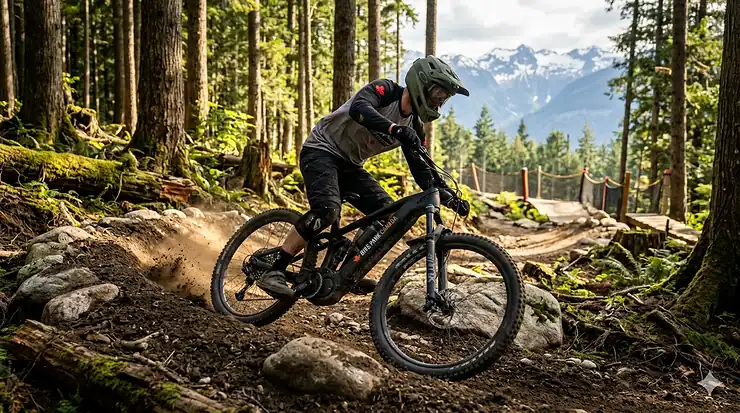
So you’re eyeing a cross country ebike and wondering if it’s worth the investment? I’ve been there, staring at spec sheets until my eyes crossed, trying to figure out what separates an XC eMTB from your average electric mountain bike. Here’s the thing: cross country ebikes represent a unique sweet spot in the electric cycling world—they’re built for efficient pedalling, technical climbing, and race-ready performance while keeping weight manageable. Unlike their burlier trail bike cousins that can tip the scales at 25 kg or more, a proper XC electric bike aims for nimble handling and marathon-distance efficiency.
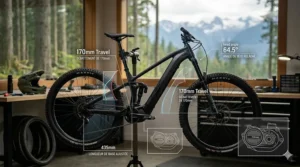
The beauty of these machines lies in their ability to extend your riding range without turning you into a passenger. You’re still working, still earning those descents, but with just enough electric assistance to flatten the steepest climbs and keep you fresh for technical sections. Modern cross country electric bikes typically feature 100-120mm of suspension travel, lightweight frames, and motors that provide smooth power delivery rather than aggressive throttle response. It’s cycling amplified, not replaced.
Canada’s diverse terrain—from British Columbia’s technical singletrack to Ontario’s rolling trails—demands bikes that can handle extended climbs, technical descents, and everything in between. The right cross country ebike transforms those intimidating 2,000-metre elevation days into achievable adventures, letting you explore backcountry routes that would’ve required shuttles or superhuman fitness just a few years ago.
Quick Comparison Table
| Model | Motor Power | Price Range (CAD) | Weight | Travel | Best For |
|---|---|---|---|---|---|
| Jasion YM1 | 1200W peak | $1,299-$1,499 | 26 kg | 100mm | Budget XC |
| Wheelspeed 27.5″ | 500W rated | $899-$1,199 | 24 kg | 100mm | Legal Commuting |
| 5TH WHEEL Mate | 1000W peak | $1,049-$1,299 | 25 kg | Front 100mm | Versatile Riding |
| E·Bycco 29″ | 1000W peak | $1,599-$1,799 | 31 kg | 100mm | Long Range |
| FREESKY Ranger AIR | 3500W dual | $2,499-$2,999 | 34 kg | Full 120mm | Off-Road Only |
| FVKING E6 | 2000W | $2,299-$2,599 | 32 kg | Dual Hydraulic | Performance |
| Charge XC | 500W mid-drive | $2,800-$3,200 | 25 kg | 100mm | Premium Legal |
💬 Just one click – help others make better buying decisions too! 😊
Top 7 Cross Country Ebikes: Expert Analysis
1. Jasion YM1 Electric Mountain Bike – Best Value XC eMTB
The Jasion YM1 consistently impresses Canadian riders who want race-ready cross country electric bike performance without emptying their savings account. This 27.5″ wheel electric mountain bike features a 1200W peak motor (750W rated) that delivers surprisingly smooth power for technical climbs and maintains momentum through rolling singletrack.
Key Specifications:
- 480Wh removable battery
- 50-mile range (pedal assist)
- 28 MPH max speed
- 7-speed Shimano drivetrain
Priced around $1,299-$1,499 CAD on Amazon.ca, the Jasion YM1 offers exceptional value. Canadian buyers report the bike handles well on Rocky Mountain trails and Ontario conservation areas, though the higher motor output means it exceeds road-legal limits (it’s designed for trail use). The front suspension fork smooths out rough terrain, while mechanical disc brakes provide reliable stopping power.
Pros:
✅ Excellent power-to-price ratio
✅ Removable battery for easy charging
✅ Puncture-resistant 27.5″ tires
Cons:
❌ Exceeds Canadian road-legal limits
❌ Assembly required (95% pre-assembled)
Canadian customers praise its climbing ability on steep grades, noting it tackles 20-25% inclines with confidence. The lightweight pedaling electric bike design means you can still make progress when the battery runs low, unlike heavier models that feel like anchors without assist.
2. Wheelspeed 27.5″ Electric Bike – Road-Legal XC Option
For riders prioritizing Canadian compliance, the Wheelspeed ARIES stands out as a properly spec’d road-legal option. This cross country ebike features a 500W motor (800W peak) that caps assistance at 32 km/h—exactly meeting federal regulations.
Key Specifications:
- 48V 11.6Ah removable battery
- 80-90km pedal assist range
- Professional 7-speed transmission
- Lockable front suspension
Available for $899-$1,199 CAD, the Wheelspeed delivers impressive range for marathon rides. The 27.5″ pneumatic tires and lockable fork make it versatile enough for both commuting through Toronto traffic and weekend trail rides in Quebec’s Eastern Townships.
Pros:
✅ Complies with Canadian road regulations
✅ Exceptional range (90km)
✅ Lightweight aluminum frame
Cons:
❌ Lower peak power than competition
❌ Basic LCD display
This efficient pedaling electric bike excels at maintaining consistent speeds on rolling terrain. Multiple Canadian reviewers note the quiet brushless motor and how the bike feels balanced even when climbing steep dirt roads. The lockable suspension lets you maximize efficiency on pavement while staying compliant when trails get rough.
3. 5TH WHEEL Mate Electric Bike – Versatile Cross Country Performer
The 5TH WHEEL Mate bridges the gap between XC racing and all-mountain capability. With a 1000W peak motor and adjustable stem, this cross country electric bike adapts to different riding styles and terrain demands.
Key Specifications:
- 468Wh removable battery
- 70km maximum range
- Color LCD display
- Adjustable handlebar stem
Priced at $1,049-$1,299 CAD on Amazon.ca, the Mate offers thoughtful features like dual disc brakes and shock absorption design. The reserved rear shelf holes mean you can easily add cargo capacity for bikepacking adventures through Canada’s backcountry.
Pros:
✅ Versatile geometry adjustments
✅ Good component quality at price point
✅ Cargo rack compatibility
Cons:
❌ Not road-legal (exceeds 500W)
❌ Moderate battery capacity
Canadian riders appreciate how the adjustable stem lets them fine-tune fit without expensive cockpit upgrades. The 7-speed gearing provides enough range for both steep technical climbs in British Columbia and flatter prairie trails. While it exceeds road-legal specs, it’s ideal for private property and dedicated mountain bike parks.
4. E·Bycco 29″ Electric Mountain Bike – Long-Range XC Specialist
For riders tackling serious distance, the E·Bycco delivers with its massive 48V 17.5Ah battery. This race ready cross country electric bike features 29″ wheels that roll smoothly over obstacles while maintaining efficiency on climbs.
Key Specifications:
- 1000W peak motor
- 70-mile pedal assist range
- 21-speed professional drivetrain
- 330 lbs max load capacity
Available for $1,599-$1,799 CAD, the E·Bycco targets riders who demand extended range without frequent recharge stops. The 29″ wheels and thicker tires provide comfort on Canada’s rougher trails, while the 21-speed Shimano components offer precise gear selection for varying terrain.
Pros:
✅ Exceptional range (112km
) ✅ IP65 waterproof battery
✅ Five distinct riding modes
Cons:
❌ Heavier than pure XC bikes (31kg)
❌ Exceeds Canadian road regulations
The bike’s UL certification and waterproofing matter for Canadian conditions—spring mud season and unpredictable weather demand durability. Riders note the intelligent LCD display makes it easy to monitor battery levels during long backcountry excursions. The 5 riding modes include manual, pedal assist levels 1-5, full throttle, cruise control, and walking assist for technical sections.
5. FREESKY Ranger AIR – Off-Road Performance Beast
The FREESKY Ranger AIR represents the upper echelon of off-road electric mountain bikes. With dual 3500W motors delivering 200Nm of combined torque, this fastest xc ebike canada contender demolishes technical climbs that would challenge even the fittest riders.
Key Specifications:
- Dual motor system (3500W combined)
- 48V 25Ah battery
- 170km maximum range
- Full suspension design
Priced at $2,499-$2,999 CAD, the Ranger AIR targets serious trail riders and those with access to private land. The 26″ fat tires and dual hydraulic suspension absorb impacts on the rowdiest Canadian singletrack, from North Shore technical descents to Whistler bike park features.
Pros:
✅ Incredible torque for steep climbs
✅ Full suspension comfort
✅ Massive range capability
Cons:
❌ Very heavy (34kg)
❌ Significant legal restrictions
This competitive xc emtb delivers power that’s frankly overkill for most XC applications—but if you’re tackling extreme terrain or need to haul heavy loads, the dual motor system never struggles. Canadian owners report using it for remote cabin access and challenging backcountry exploration where legal considerations differ.
Note: This bike far exceeds Canadian road-legal specifications and should only be used on private property or designated motorized trails.
6. FVKING E6 Electric Mountain Bicycle – Performance-Focused Design
The FVKING E6 combines aggressive power with refined handling through its dual battery system and hydraulic components. This cross country ebike targets riders who prioritize performance over regulations.
Key Specifications:
- 2000W motor
- Dual 52V 20AH batteries
- Hydraulic disc brakes
- 7-speed drivetrain
Available for $2,299-$2,599 CAD, the E6 delivers professional-grade components including hydraulic brakes that provide exceptional modulation in wet Canadian conditions. The dual battery setup means extended range without the weight penalty of a single massive battery.
Pros:
✅ Excellent brake performance
✅ Dual battery flexibility
✅ Robust all-terrain capability
Cons:
❌ Exceeds all road-legal limits
❌ Premium pricing
Canadian riders note the bike’s confidence-inspiring handling on technical descents, with the hydraulic brakes offering precise control during BC’s long alpine descents. The 7-speed system might seem limited compared to modern 12-speed drivetrains, but the motor fills gaps in the gear range. This xc racing ebike performs best on challenging terrain where its power advantage shines.
7. Charge XC Electric Bike – Premium Road-Legal Option
For riders seeking the ultimate legal cross country electric bike, the Charge XC delivers premium performance within Canadian regulations. Made by the team behind Cannondale and Schwinn, this mid-drive eMTB features Shimano components and thoughtful design.
Key Specifications:
- 500W Shimano mid-drive motor
- Up to 50-mile range
- Folding handlebars for storage
- 20 MPH (32 km/h) pedal assist
Estimated at $2,800-$3,200 CAD (pricing varies by retailer), the Charge XC represents premium lightweight xc emtb engineering. The mid-drive motor location provides superior weight distribution and natural pedaling feel compared to hub motors. SR Suntour suspension and puncture-resistant Goodyear tires handle Canadian trail conditions while keeping weight around 25 kg.
Pros:
✅ Fully road-legal in Canada
✅ Premium component selection
✅ Clever folding handlebars
Cons:
❌ Premium pricing
❌ Limited Canadian availability
The integrated fenders, racks, and lighting make this a true four-season Canadian bike—you can ride to work Monday and hit trails Saturday. The 3-mode pedal assist (eco, trail, boost) plus walk mode gives precise control over power delivery. Canadian buyers appreciate Charge’s attention to practical details like automatic tire pressure sensors and weather-resistant construction.
✨ Don’t Miss These Exclusive Deals!
🔍 Take your cross country riding to the next level with these carefully selected products available in Canada. Click on any highlighted item to check current pricing and availability on Amazon.ca. These bikes will help you conquer trails and climbs across Canada’s diverse terrain!
Understanding Canadian Ebike Regulations for XC Riding
Before investing in a cross country ebike, understanding xc racing ebike regulations matters tremendously. According to Transport Canada’s federal regulations, power-assisted bicycles must meet specific criteria to avoid classification as motor vehicles.
Federal Requirements
Across all Canadian provinces, legally compliant ebikes must have:
- Maximum 500W motor output
- Top assisted speed of 32 km/h (20 mph)
- Fully functional pedals
- Motor that disengages when pedaling stops
These baseline requirements mean many performance-oriented cross country electric bikes technically exceed legal limits. The 1000W, 1500W, and higher motors popular on Amazon.ca deliver impressive trail performance but restrict you to private property, designated motorized trails, or areas where enforcement differs.
Provincial Variations
While federal law establishes the framework, provinces add specific requirements:
Ontario: Riders must be 16+, wear helmets, and bikes cannot exceed 120kg weight. Ontario regulations prohibit modifications that increase power or speed beyond legal limits.
British Columbia: 16+ age requirement, mandatory helmets, and motor must disengage when brakes apply. BC’s Motor Assisted Cycle regulations specifically exclude throttle-only operation above certain speeds.
Quebec: Unique licensing requirements for riders under 18, who need Class 6D moped licenses. This affects young XC racers significantly.
Alberta: 12+ age requirement (lowest in Canada), but mandatory motorcycle-rated helmets rather than bicycle helmets.
Racing and Competition Considerations
For competitive xc emtb racing, regulations vary by event organizer. Some Canadian race series prohibit ebikes entirely in traditional categories, while others create separate eMTB classes. The Union Cycliste Internationale (UCI) permits eMTB racing but with specific motor output and speed limitations that align more closely with European standards.
Private trail networks and bike parks maintain individual policies. Whistler Bike Park, for instance, allows Class 1 ebikes but prohibits throttle-controlled models. Always verify local regulations before riding new areas.
How Lightweight XC eMTBs Transform Canadian Trail Riding
The lightweight xc emtb category revolutionizes how Canadians approach mountain biking. Traditional full-power eMTBs weighing 25-28 kg feel cumbersome on tight singletrack and technical features. Modern XC electric bikes target 18-23 kg through:
Efficient Motor Technology: Systems like Shimano EP8 RS, Bosch SX, and TQ HPR50 deliver 50-85Nm torque while weighing under 2.5 kg. These motors provide enough assistance for Canadian climbs without overpowering the ride experience.
Optimized Battery Placement: Mid-frame battery integration keeps weight centralized for neutral handling. Removable designs let you swap batteries mid-ride or charge separately from the bike.
Carbon Frame Construction: High-modulus carbon layup reduces frame weight to 1.8-2.2 kg while maintaining stiffness needed for efficient power transfer during climbs.
The weight savings matter enormously on Canadian trails. Technical sections requiring precise bike placement, tight switchbacks, and jump features all benefit from reduced mass. You’re riding a bike that happens to have assistance, not piloting a heavy machine that requires assistance.
XC Ebike Components That Matter for Canadian Conditions
Suspension Tuning
Cross country ebikes typically run 100-120mm travel, but setup determines performance on Canada’s varied terrain. Air-sprung forks from RockShox (SID), Fox (32 SC), and SR Suntour offer adjustability crucial for our seasonal changes.
Spring conditions with muddy roots demand more travel and sensitivity. Summer’s hardpack rewards firmer compression settings. Quality XC forks include remote lockouts accessible from the bars—essential for long fire road climbs where pedaling efficiency matters.
Drivetrain Selection
Seven-speed drivetrains feel limiting compared to modern 12-speed systems, but motor assistance fills gaps. The efficient pedaling electric bike design means you’re rarely searching for impossible gear combinations. Shimano Deore and SRAM NX drivetrains provide reliable shifting at reasonable prices.
Higher-end models feature electronic shifting (Shimano Di2, SRAM AXS) that integrates with motor systems. These setups automatically adjust power delivery based on gear selection, creating seamless assistance that feels natural.
Brake Considerations
Canadian descents—whether Fromme Mountain’s steeps or Laurentian technical sections—demand serious braking. Mechanical disc brakes work acceptably on budget XC ebikes, but hydraulic systems provide superior modulation and power. The added bike weight (compared to analog XC bikes) increases heat generation during long descents.
Look for 180mm front rotors minimum, with 160mm rear. Four-piston calipers aren’t necessary for XC riding but provide fade resistance during marathon events or shuttle days.
Tire Choices for Canadian Trails
Cross country racing traditionally favored narrow 2.1-2.25″ tires for reduced rolling resistance. Modern XC ebikes accommodate 2.3-2.4″ widths that improve traction without significant speed penalty. The motor overcomes minor rolling resistance increases.
For Canadian conditions, prioritize:
- Fast-rolling center tread for hardpack
- Aggressive side knobs for loose corners
- Tubeless setup for puncture resistance
- Seasonal changes (summer vs. fall grippy compounds)
Maxxis Rekon, Schwalbe Racing Ralph, and Continental Cross King represent popular XC choices that balance speed with control.
Building Your XC Ebike Fitness Strategy
Owning a race ready cross country electric bike doesn’t eliminate training needs—it reshapes them. Smart Canadian riders use their eMTBs strategically:
Interval Training: Use lower assist levels during intervals, higher assist for recovery between efforts. This extends quality training time compared to fully analog riding.
Technique Focus: Motor assistance lets you repeat technical sections without exhaustion. Practice rock gardens, tight switchbacks, and challenging lines multiple times per session.
Endurance Building: The efficient pedaling electric bike design allows longer rides that build aerobic capacity. A 3-hour analog ride becomes a 5-hour eMTB adventure covering more terrain.
Recovery Rides: Post-race recovery benefits from gentle pedaling with full motor support. You’re moving without stressing recovering muscles.
Altitude Training: For Canadian riders preparing for races in BC’s interior or Alberta Rockies, ebikes let you spend more time at elevation without excessive fatigue.
Competitive riders should train primarily on analog bikes, using the eMTB for supplementary mileage, technical practice, and exploration. Your body adapts to what you ask of it—relying solely on electric assistance reduces race-day power.
Seasonal Maintenance for Canadian XC Ebikes
Canada’s dramatic seasonal swings demand specific maintenance strategies:
Winter Storage (Provinces with Real Winter)
Battery care matters enormously. Lithium cells degrade when stored fully charged or fully depleted. For 4-6 month storage:
- Charge to 60-70% capacity
- Store in heated space (15-20°C ideal)
- Check monthly, recharge if below 50%
- Never charge frozen batteries
Frame protection from road salt requires thorough washing after winter rides. Even “trail” bikes encounter salty spray near roads. Ceramic bearings and stainless hardware resist corrosion better than standard components.
Spring Mud Season
Canadian springs mean MUD. Proper post-ride cleaning prevents motor contamination and bearing damage. Pay special attention to motor seals—high-pressure washers can force water past seals. Hand washing with gentle brushes protects components.
Drivetrain wear accelerates dramatically in gritty spring conditions. Budget for more frequent chain and cassette replacement. Wax-based lubricants (Silca, Squirt) resist contamination better than wet lubes.
Summer Riding Peak
Battery performance peaks in warm weather—you’ll notice increased range compared to spring. Monitor battery temperature during extended climbs; extreme heat degrades cells. Some systems include thermal management, others simply throttle power when overheating.
Tire pressure adjustments matter with temperature swings. A tire set at 25 PSI in morning cool registers 28+ PSI after hours in sun. Lower pressures improve traction but increase pinch flat risk on Canadian rock gardens.
Fall Conditions
Wet leaves create surprisingly slippery conditions—grippier tire compounds help. Battery range decreases as temperatures drop; plan rides accordingly. A summer 80km range might become 60km in October riding.
Where to Ride Your XC Ebike in Canada
Ebike access varies dramatically across Canadian trail systems. Research before riding:
Generally eMTB-Friendly
- Most Alberta trail networks (Moose Mountain, West Bragg Creek)
- British Columbia Recreation Sites (varies by region)
- Quebec’s FQSC trails (Class 1 only in many areas)
- Private bike parks (policies vary)
Restrictions Common
- Ontario Conservation Authority lands (many prohibit)
- National Parks (generally prohibited on singletrack)
- Wilderness areas and protected zones
- IMBA trail systems (varies by chapter)
Apps like Trailforks often indicate ebike status, but verify with land managers. Canadian trail associations increasingly create ebike-specific policies as adoption grows.
Recommended Canadian XC Destinations
Whistler Valley Trail System (BC): Extensive network with ebike access, stunning scenery, and varying difficulty.
Moose Mountain (Alberta): Prairie views, challenging climbs, ebike-friendly policies.
Hardwood Hills (Ontario): Well-maintained XC trails with progressive features.
Mont-Sainte-Anne (Quebec): World Cup venue with ebike-accessible trails.
Kicking Horse Resort (BC): Summer operations welcome pedal-assist bikes.
How to Choose the Right Cross Country Ebike for Your Needs
With so many options available on Amazon.ca and Canadian retailers, selection feels overwhelming. Start by honestly assessing your priorities:
Step 1: Define Your Primary Use
Racing Focus: If competition drives you, prioritize lightweight xc emtb options under 22 kg. Accept smaller batteries (360-400Wh) that sacrifice range for reduced weight. Consider whether your target events allow eMTBs.
Trail Exploration: For weekend adventures and fitness riding, balance weight with battery capacity. The 480-560Wh range provides 60-90km of mixed terrain riding—enough for most full-day adventures without range anxiety.
Commute + Trail: Dual-purpose riders need road-legal specifications (500W, 32 km/h max). Add fenders, racks, and lighting for practical transportation. The Wheelspeed and Charge XC models excel here.
Step 2: Establish Your Budget
Under $1,500 CAD: Expect 1000-1500W peak motors, basic components, mechanical brakes. Great for trail exploration but exceeds road-legal specs. Jasion, Wheelspeed, and 5TH WHEEL models deliver solid value.
$1,500-$2,500 CAD: Better component quality, larger batteries, improved suspension. Still mostly over-powered for road use but excellent trail bikes. E·Bycco and similar models occupy this range.
$2,500-$4,000 CAD: Premium components, lighter weight, potentially road-legal options. Charge XC and imported brands like Orbea Rise (through retailers) offer refined experiences.
$4,000+ CAD: Specialized Levo SL, Trek Fuel EXe, Scott Lumen eRIDE—these represent pinnacle XC eMTB engineering with sub-20kg weights and seamless motor integration.
Step 3: Consider Motor Type
Hub Motors (Rear Wheel): Common on budget XC ebikes. Simple, reliable, but affect handling and make rear wheel changes complex. Weight distribution favors rear traction but can feel unbalanced.
Mid-Drive Motors: Superior weight distribution, natural pedaling feel, better climbing. Premium options but worth the investment for serious riding. Bosch, Shimano, TQ, and FAZUA systems dominate quality builds.
Step 4: Test Ride When Possible
Nothing replaces actual riding. Visit Canadian bike shops that carry brands like Giant, Trek, Specialized, or Rocky Mountain to experience quality eMTBs. Even if you ultimately purchase online, understanding what good feels like prevents expensive mistakes.
Pay attention to:
- Motor engagement smoothness
- Pedaling feel with assist off
- Handling balance and weight distribution
- Brake power and modulation
- Suspension sensitivity

Frequently Asked Questions
❓ How fast can an ebike go in Canada?
❓ What is the price range for cross country ebikes in Canada?
❓ Can you race cross country ebikes competitively in Canada?
❓ What range can I expect from a cross country ebike on Canadian trails?
❓ Do I need insurance for my cross country ebike in Canada?
Conclusion: Finding Your Perfect Canadian XC Ebike
The cross country ebike market in Canada offers incredible variety, from budget-friendly trail crushers to premium road-legal performers. Your perfect match depends on intended use, legal requirements, and budget realities.
For riders prioritizing Canadian compliance and commute versatility, the Wheelspeed 27.5″ and Charge XC deliver reliable performance within legal boundaries. Their 500W motors and 32 km/h speed limits mean worry-free road riding alongside trail capability.
Trail-focused riders willing to accept legal restrictions gain significant performance advantages from models like the Jasion YM1 and 5TH WHEEL Mate. These efficient pedaling electric bikes provide ample power for technical climbs while maintaining XC handling characteristics.
Serious off-road enthusiasts with access to private land or motorized trails should consider the FREESKY Ranger AIR or FVKING E6. These competitive xc emtb options deliver power that transforms challenging terrain into playgrounds.
Remember that any cross country electric bike represents a tool for expanding your riding horizons. The best models enhance your experience without replacing the joy of pedaling. Whether you’re targeting race podiums, weekend trail adventures, or daily commutes through Canadian seasons, today’s XC eMTB technology offers solutions that seemed impossible just years ago.
Start with your primary use case, respect Canadian regulations for your riding locations, and choose components matching your maintenance commitment. The right XC ebike opens trails previously beyond reach, extends your riding season, and keeps you fresh for those technical descents that make mountain biking magical.
✨ Don’t Miss These Exclusive Deals!
🔍 Ready to upgrade your riding? Click on any highlighted model above to check current pricing and availability on Amazon.ca. These carefully selected cross country ebikes will transform your Canadian trail experiences!
Recommended for You
- 7 Best Enduro Ebikes for Bike Parks Canada 2026
- Best Enduro eMTB Under 5000 CAD: 7 Top Picks 2026 Canada
- Best Enduro Ebike: 7 Top Electric Mountain Bikes Canada 2026
Disclaimer: This article contains affiliate links to Amazon.ca. If you purchase products through these links, we may earn a small commission at no additional cost to you.
✨ Found this helpful? Share it with your friends! 💬🤗
