

In This Article
Have you ever watched your regular bike struggle through Ottawa’s slushy March streets or sink into Vancouver Island’s sandy beaches? I’ve been there. That’s precisely why the 26×4 fat tire electric bike has become my go-to recommendation for Canadian riders who refuse to let winter, sand, or rough terrain dictate their riding season.
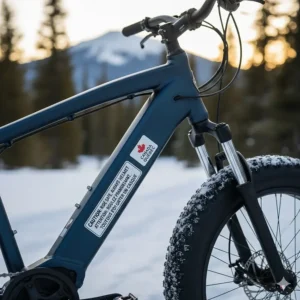
According to Wikipedia, fat bikes were specifically developed for challenging terrain like snow and sand, featuring oversized tires typically 3.8 inches or larger designed for low ground pressure. When you add electric assistance to these already capable machines, you get year-round versatility that’s particularly valuable in our Canadian climate.
The “26×4” designation refers to 26-inch diameter wheels with 4-inch wide tires. This combination strikes an excellent balance—the 26-inch wheels provide superior stability compared to smaller 20-inch alternatives, while the 4-inch width distributes your weight across a massive contact patch. Think of it like wearing snowshoes instead of regular boots; you float over soft surfaces rather than sinking into them.
What makes these bikes especially relevant for Canadians? Our diverse landscape demands versatility. From the Rockies’ mountain trails to Manitoba’s winter commutes, from Quebec’s gravel paths to Nova Scotia’s coastal rides, a 26×4 fat tire electric bike handles it all. Plus, under Canadian federal regulations, e-bikes with motors up to 500W and speeds capped at 32 km/h don’t require licensing or insurance—making them accessible transportation for riders aged 16 and older in most provinces.
Quick Comparison Table
| Model | Motor Power | Battery | Range | Price (CAD) | Best For |
|---|---|---|---|---|---|
| Aventon Aventure 3 | 750W | 960Wh | 80 km | $2,399-$2,699 | All-terrain versatility |
| VoltBike Yukon 750 | 500W (750W peak) | 940Wh | 70 km | $2,199-$2,499 | Canadian winters |
| HOVSCO HovAlpha | 750W (1300W peak) | 960Wh | 129 km | $2,499-$2,799 | Long-distance touring |
| Tesgo Hummer | 500W | 624Wh | 60 km | $1,799-$1,999 | Budget-conscious buyers |
| ECOTRIC 26″ Fat Tire | 500W | 450Wh | 54 km | $1,299-$1,499 | Entry-level riders |
| Himiway D5 2.0 | 750W (90Nm) | 960Wh | 96 km | $2,699-$2,999 | Hunting & off-road |
| Raleigh Quanta | 500W | 672Wh | 65 km | $1,899-$2,199 | Urban commuting |
💬 Just one click – help others make better buying decisions too! 😊
✨ Don’t Miss These Exclusive Deals!
🔍 Take your fat tire ebike experience to the next level with these carefully selected products available in Canada. Click on any highlighted item to check current pricing and availability on Amazon.ca. These bikes will help you conquer authentic Canadian terrain year-round!
Top 7 26×4 Fat Tire Electric Bikes: Expert Analysis
1. Aventon Aventure 3 – Best Overall for Canadian Riders
The Aventon Aventure 3 dominates the Canadian fat tire ebike market for good reason. This powerhouse combines a robust 750W rear hub motor with a massive 960Wh battery, delivering performance that handles everything from Calgary’s winter commutes to British Columbia’s mountain trails.
Key Specifications:
- 26″ x 4″ Kenda Juggernaut tires with exceptional grip
- Hydraulic disc brakes for reliable stopping in wet conditions
- Up to 80 km range on pedal-assist mode
- IPX4 water-resistant battery
What sets the Aventon Aventure 3 apart is its Canadian-ready features. The hydraulic brakes maintain consistent performance even when temperatures drop below freezing—critical for prairie winters. Canadian customers on forums consistently praise its ability to handle deep snow with tire pressures lowered to 5-8 PSI.
Pros:
✅ Torque sensor provides natural-feeling pedal assist
✅ Removable battery for indoor charging during winter
✅ 400 lb weight capacity handles gear and cargo
Cons: ❌ 75 lb weight makes stair climbing challenging
❌ Premium pricing may exceed budget constraints
Price: $2,399-$2,699 CAD (varies by retailer and seasonal promotions)
Canadian riders particularly appreciate the step-through frame option, making mounting easier with winter boots and heavy clothing. The bike ships 95% assembled to Canadian addresses, typically arriving within 5-7 business days.
2. VoltBike Yukon 750 Limited – Best for Canadian Winters
Designed specifically for Canadian conditions, the VoltBike Yukon 750 Limited represents a homegrown solution to our unique climate challenges. This Vancouver-based company understands what Canadians need: a bike that doesn’t quit when temperatures plummet.
Key Specifications:
- Bafang 500W motor (750W peak output)
- UL 2271 certified 48V 19.6Ah (940Wh) Samsung battery
- Kenda Juggernaut 26×4″ tires rated for winter use
- Hydraulic Tektro disc brakes
The Yukon 750 uses Samsung INR18650-35E cells—premium lithium-ion batteries preferred by high-end manufacturers for their cold-weather performance. While most batteries lose 20-30% capacity below freezing, these cells maintain superior performance down to -10°C.
Pros:
✅ Canadian company with local support and service
✅ 320 lb rider weight capacity
✅ Integrated LED lights and full fenders included
Cons:
❌ Slightly heavier at 75 lbs
❌ Cadence sensor less smooth than torque sensing
Price: $2,199-$2,499 CAD (often includes free shipping across Canada)
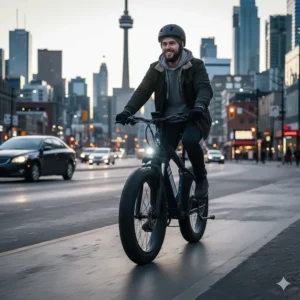
Ontario riders report using the VoltBike Yukon 750 for daily winter commuting, noting it handles Toronto’s streetcar tracks and icy bike lanes with confidence. The rear rack’s 50 lb capacity accommodates panniers for grocery runs or work commutes.
3. HOVSCO HovAlpha – Best for Long-Distance Canadian Adventures
If you’re planning epic rides across Canada’s vast landscapes, the HOVSCO HovAlpha delivers the range and comfort you need. This bike’s standout feature is its incredible 960Wh high-capacity integrated battery combined with torque-sensing pedal assist.
Key Specifications:
- 750W sustained, 1300W peak motor with 90Nm torque
- Up to 129 km range on pedal-assist mode
- Torque sensor for responsive, intuitive assistance
- Full suspension system with adjustable components
The torque sensor technology on the HovAlpha measures your pedaling force and adjusts motor output accordingly—far more sophisticated than basic cadence sensors. This results in 30-40% better energy efficiency, extending your range significantly on long rides from Winnipeg to Churchill or Halifax to Cape Breton.
Pros:
✅ Industry-leading 129 km maximum range
✅ 450 lb maximum payload for heavy loads
✅ Hydraulic disc brakes provide superior stopping power
Cons:
❌ Higher price point
❌ Limited availability at Canadian retailers
Price: $2,499-$2,799 CAD (check official Canadian distributors)
Canadian touring cyclists praise the HOVSCO HovAlpha for multi-day bikepacking trips. The combination of range, payload capacity, and fat tires makes it ideal for exploring remote areas where charging infrastructure doesn’t exist.
4. Tesgo Hummer – Best Budget-Friendly Canadian Option
The Tesgo Hummer proves you don’t need to spend $3,000 CAD to enjoy quality fat tire ebiking in Canada. This Canadian company based in British Columbia offers impressive value while maintaining performance standards suitable for our climate.
Key Specifications:
- 500W brushless motor
- 48V 13Ah (624Wh) removable battery
- Full suspension (front and rear)
- 26″ x 4″ puncture-resistant tires
Despite the lower price, the Tesgo Hummer doesn’t skimp on essential features. The full suspension system—uncommon on folding ebikes—absorbs impacts on rough Canadian trails. Alberta customers report consistent performance on gravel roads and logging trails.
Pros:
✅ Foldable design fits in car trunks and RVs
✅ 15+ years of manufacturing experience
✅ Strong Canadian customer service network
Cons:
❌ Shorter 60 km range requires more frequent charging
❌ Cadence sensor lacks torque sensing refinement
Price: $1,799-$1,999 CAD (frequent promotions available)
The folding capability makes the Tesgo Hummer perfect for Canadian RV enthusiasts or cottage owners who want to explore remote areas. Saskatchewan riders particularly appreciate being able to transport it easily to provincial parks.
5. ECOTRIC 26″ Fat Tire Electric Bike – Best Entry-Level Choice
For Canadians new to fat tire ebiking, the ECOTRIC 26″ Fat Tire offers an accessible entry point without overwhelming complexity. Available through Amazon.ca with reliable shipping, it provides solid performance for recreational riding.
Key Specifications:
- 500W rear hub motor
- 36V 12.5Ah (450Wh) removable battery
- 30-54 km range depending on assist level
- Front suspension fork
The ECOTRIC ships 90% pre-assembled with straightforward instructions, making it approachable for first-time ebike owners. Canadian buyers on Amazon.ca consistently rate the assembly process as manageable, typically completed in 45-60 minutes.
Pros:
✅ Most affordable 26×4 option on Canadian market
✅ Available through Amazon.ca with fast shipping
✅ Four riding modes including throttle-only
Cons:
❌ Basic components limit longevity
❌ Shorter range unsuitable for long rides
Price: $1,299-$1,499 CAD (Amazon.ca pricing)
Manitoba customers report the ECOTRIC handles their prairie winters adequately for short commutes and neighborhood rides. The 120 kg maximum load capacity accommodates most riders plus light cargo.
6. Himiway D5 2.0 – Best for Canadian Hunters and Outdoor Enthusiasts
The Himiway D5 2.0 specifically targets Canadian hunters, anglers, and outdoor adventurers who need silent approach capabilities and serious carrying capacity. This specialized fat tire electric bike excels in backcountry scenarios.
Key Specifications:
- 750W motor with 90Nm torque
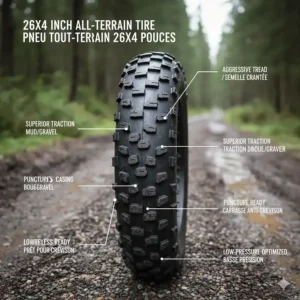
- Maxxis Minion 26×4″ tires with aggressive tread
- Full suspension (adjustable four-bar linkage)
- 400 lb total weight capacity
What makes the D5 2.0 special for Canadian outdoorsmen is its quiet motor operation in throttle mode—essential for approaching hunting areas without disturbing game. British Columbia hunters report successfully using it on logging roads to access remote hunting territories.
Pros:
✅ Maxxis Minion tires excel in mud and snow
✅ Rear rack supports 120 lb for game transport
✅ Camo option blends into forest environments
Cons:
❌ Heavy at 83 lbs with accessories
❌ Premium pricing
Price: $2,699-$2,999 CAD
The Himiway D5 2.0 handles Canadian winters exceptionally well. Alberta riders lower tire pressure to 8-10 PSI for optimal float in deep powder, while maintaining enough structure for frozen trails. The removable battery can be kept warm indoors between rides—critical since lithium batteries lose 20-30% capacity below freezing.
7. Raleigh Quanta 26″ – Best for Canadian Urban Commuters
The Raleigh Quanta takes a different approach to the 26×4 fat tire electric bike concept, optimizing for city riding while maintaining all-weather capability. This makes it ideal for Canadian urban commuters facing varied winter conditions.
Key Specifications:
- 500W integrated motor
- 48V 14Ah (672Wh) battery
- 8-speed Shimano Altus drivetrain
- Integrated lights and fenders
Raleigh‘s Canadian distribution network ensures parts availability and service support across major cities. The Quanta includes integrated front and rear lights powered by the main battery—a thoughtful touch considering Canada’s long winter darkness.
Pros:
✅ Throttle and pedal-assist modes
✅ Established brand with Canadian dealer network
✅ City-optimized geometry
Cons:
❌ Less aggressive tread limits off-road capability
❌ Moderate range for long commutes
Price: $1,899-$2,199 CAD (available at Raleigh Canada dealers)
Toronto commuters praise the Raleigh Quanta for handling the city’s notorious potholes and streetcar tracks. The fat tires absorb impacts that would puncture standard commuter bikes, while the fenders keep you clean during spring’s slushy conditions.
Understanding 26×4 Fat Tire Electric Bikes: What Makes Them Special
The 26×4 fat tire electric bike represents a sweet spot in bicycle engineering, particularly suited to Canadian conditions. But what exactly makes this configuration so effective?
The Science of Fat Tires
Fat tires work on a simple principle: distributing weight over a larger surface area reduces ground pressure by up to 70% compared to standard 2-inch tires. According to Wikipedia’s detailed explanation of fatbikes, these oversized tires can operate at pressures as low as 5 PSI (34 kPa), creating a snowshoe effect that allows riding on snow, sand, and mud where regular bikes would sink.
The 4-inch width on a 26-inch wheel creates approximately 20-25 square inches of contact patch—compare that to a road bike’s 2-3 square inches. This massive footprint provides:
Traction: More rubber contacting the ground means better grip on loose surfaces like gravel or wet leaves Comfort: Lower pressure acts as suspension, absorbing vibrations and impacts Floatation: Weight distributes across a larger area, preventing sinking in snow or sand Stability: Wider contact patch reduces lateral slipping on ice or loose terrain
Why 26-Inch Wheels Matter
The 26-inch wheel size offers distinct advantages over 20-inch alternatives, particularly for Canadian riding conditions. Larger wheels provide better rollover capability—they maintain momentum more easily over obstacles like roots, rocks, and frozen ruts. This translates to less energy expenditure on rough trails, extending your battery range by 10-15%.
Stability also improves with larger wheels. The increased gyroscopic effect makes 26-inch bikes feel more planted, especially at speeds above 20 km/h. For Canadian riders tackling variable terrain—switching from plowed bike paths to unplowed trails—this stability inspus confidence.
Electric Assistance: The Canadian Advantage
Adding electric power to fat tire bikes transforms them from specialized snow bikes into year-round transportation. The electric motor provides several critical advantages:
Hill Climbing: Canada’s varied topography includes plenty of hills. A 500W+ motor delivers the torque needed to climb snowy or muddy inclines without exhausting yourself.
Extended Range: Fat tires create more rolling resistance than standard tires. Without electric assistance, riding more than 20-30 km becomes tiring. With a motor, 60-100 km becomes achievable.
Year-Round Viability: Electric assistance makes winter riding practical. You can throttle through deep snow patches that would stop a regular fat bike, and you arrive less sweaty—important when temperatures hover around freezing.
Under Canadian federal regulations, e-bikes must not exceed 500W motor output and 32 km/h motor-assisted speed to avoid licensing requirements. Most 26×4 fat tire electric bikes comply with these standards, though some feature “peak” ratings above 500W—the continuous output determines legal classification.
26 Inch vs 20 Inch Fat Tire Ebike: Which is Better for Canada?
One of the most common questions Canadian buyers ask: should I choose a 26-inch or 20-inch fat tire ebike? The answer depends significantly on your intended use and riding environment.
Terrain Performance Comparison
26-Inch Advantages:
- Superior rollover capability on rough Canadian trails
- Better traction in deep snow (6+ inches)
- Smoother ride over frozen ruts and bumps
- Maintains momentum more efficiently on varied terrain
20-Inch Advantages:
- More maneuverable in tight urban spaces
- Easier to fold for RV and car trunk transport
- Lower standover height for smaller riders
- Quicker acceleration from stops
For snow performance specifically—a critical consideration for Canadian riders—26-inch wheels demonstrate clear superiority. The larger diameter maintains forward momentum through drifts, while the wheel itself acts like a paddle, pushing snow aside rather than plowing through it.
Real-World Canadian Feedback
Saskatchewan riders report that 20-inch models struggle in unpacked snow deeper than 4-5 inches, requiring constant throttle input. Meanwhile, 26-inch bikes maintain steady progress through 8-10 inches of powder at moderate pedal assist levels.
However, 20-inch models excel for urban Canadian commuters who need to navigate tight bike rooms, carry bikes on transit, or store them in small apartments. The folding capability appeals to Ontario cottage owners who drive north every weekend.
Range and Efficiency
Due to better rollover characteristics, 26-inch wheels typically achieve 10-20% greater range on identical battery capacity. The larger wheel maintains momentum more effectively, requiring less frequent power bursts. On rough Canadian trails—common across our provincial parks—this efficiency advantage becomes even more pronounced.
Which Fat Tire Size is Better for Snow: 26×4 vs Alternatives
Canadian winters demand serious consideration of snow performance. How does the 26×4 configuration stack up against other fat tire sizes?
Tire Width Comparison
3.8-Inch Tires (Standard Fat):
- Adequate for packed snow and light powder
- Better rolling efficiency on pavement
- Lighter overall bike weight
- Suitable for casual winter riding
4-Inch Tires (26×4):
- Excellent deep snow performance (8-12 inches)
- Balanced efficiency and flotation
- Ideal for mixed terrain riding
- Best all-around choice for Canada
4.8-5-Inch Tires (Ultra Fat):
- Maximum flotation in powder
- Heavy and slow on pavement
- Overkill for most Canadian conditions
- Specialized for extreme snow biking
For most Canadian riders, the 4-inch width hits the sweet spot. It provides enough flotation for our typical 5-10 inch snowfalls without the weight penalty of 5-inch tires. Alberta riders report the 26×4 configuration handles Calgary’s chinook-affected snow conditions perfectly—alternating between packed ice, powder, and slush.
Optimal Tire Pressure for Canadian Winters
Tire pressure dramatically affects snow performance. Follow these guidelines for Canadian conditions:
Packed Snow/Ice: 8-10 PSI
- Provides sufficient flotation while maintaining control
- Prevents excessive tire squirm on hard surfaces
- Ideal for groomed trails and plowed paths
Powder Snow (4-8 inches): 5-7 PSI
- Maximizes contact patch for flotation
- Allows tire to conform to irregular surface
- Best for ungroomed trails and fresh snowfall
Deep Powder (8+ inches): 3-5 PSI
- Extreme flotation for maximum surface area
- Risk of pinch flats requires careful riding
- Use tubeless setup or tire liners
Manitoba winter commuters report success running 6-8 PSI for daily mixed conditions—packed bike paths transitioning to snowy side streets. This pressure handles both environments acceptably without constant adjustment.
26×4 Ebike with Hydraulic Brakes: Why It Matters in Canada
Hydraulic disc brakes represent a significant upgrade over mechanical disc or rim brakes, particularly relevant for Canadian conditions. Understanding why hydraulic brakes matter helps justify the investment.
Performance in Canadian Conditions
Cold Weather Reliability: Hydraulic systems use mineral oil or DOT fluid that maintains consistent viscosity down to -20°C. Mechanical cables can freeze or bind in extreme cold, but hydraulic lines continue functioning normally.
Wet Weather Performance: Canadian spring means constant rain and puddles. Hydraulic brakes maintain full stopping power when wet, while rim brakes lose 30-50% effectiveness. This safety margin matters when stopping at busy intersections.
Consistent Modulation: Fat tire ebikes with loaded cargo can weigh 120-150 kg total. Hydraulic brakes provide progressive, controllable stopping force—critical for descending icy hills safely.
Maintenance Considerations
Hydraulic brakes require less frequent adjustment than mechanical systems. Cable-actuated brakes need tensioning every 200-300 km, while hydraulic systems might go 2,000-3,000 km between services. For Canadian riders dealing with winter’s harsh conditions, this reduced maintenance burden proves valuable.
Quebec riders note that road salt doesn’t affect hydraulic lines like it corrodes cables. After a winter season, cable brakes often require complete replacement, while hydraulic systems simply need cleaning and fresh fluid.
Top Models with Hydraulic Brakes
Several 26×4 fat tire electric bikes available in Canada feature quality hydraulic systems:
- Aventon Aventure 3: Tektro hydraulic disc brakes
- HOVSCO HovAlpha: High-performance hydraulic system
- VoltBike Yukon 750: Tektro hydraulic discs
- Himiway D5 2.0: Dual-piston hydraulic brakes
Budget models like the ECOTRIC typically use mechanical disc brakes to reduce costs. While adequate for casual riding, serious Canadian year-round riders should prioritize hydraulic systems.
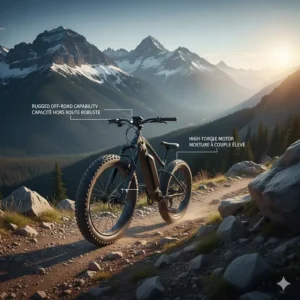
Large Wheel Electric Bicycle Benefits for Canadian Riders
Large wheel electric bicycles—particularly the 26-inch configuration—offer specific advantages that resonate with Canadian riding conditions and lifestyle needs.
Obstacle Navigation
Canada’s cycling infrastructure varies wildly. Toronto boasts excellent bike lanes, while rural areas feature rough gravel roads and unmarked trails. Large 26-inch wheels excel at clearing obstacles:
Urban Obstacles: Potholes, streetcar tracks, curbs, debris
Trail Obstacles: Roots, rocks, frozen ruts, fallen branches
Winter Obstacles: Ice ridges, snow berms, slush accumulations
The additional 6 inches of diameter compared to 20-inch wheels translates to 3 inches more ground clearance—often the difference between clearing an obstacle and hitting it.
Comfort and Ergonomics
Larger wheels create a more comfortable riding position for average-height Canadians (165-180 cm). The geometry allows proper leg extension, reducing knee strain on longer rides. This matters when commuting year-round or touring across provinces.
Speed and Efficiency
At Canada’s legal e-bike limit of 32 km/h, 26-inch wheels spin at a comfortable cadence. Smaller 20-inch wheels require faster rotation for the same speed, creating a buzzy, inefficient feel. For sustained riding on rural roads or long bike paths, larger wheels maintain speed more easily.
Full-Size Fat Tire Ebike: Complete Buying Guide for Canada
Purchasing a full-size 26×4 fat tire electric bike represents a significant investment, typically $1,500-$3,000 CAD. Making an informed decision requires understanding several key factors specific to Canadian buyers.
Essential Specifications to Consider
Motor Power:
- 500W: Legal limit, adequate for flat terrain
- 750W (Peak): Better hill climbing, common in Canadian models
- Continuous vs. Peak: Verify continuous output for legal compliance
Battery Capacity:
- 450Wh: Basic, 40-60 km range
- 650-750Wh: Standard, 60-80 km range
- 900Wh+: Extended, 80-120 km range
Frame Material:
- Aluminum 6061: Best strength-to-weight ratio, standard for quality bikes
- High-Carbon Steel: Budget option, heavier but durable
- Carbon Fiber: Rare in fat bikes, very expensive
Canadian-Specific Considerations
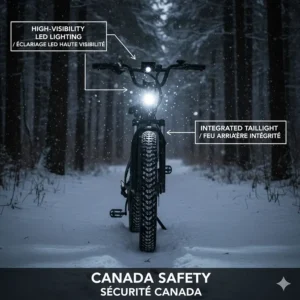
Cold Weather Components: Verify the battery uses quality cells (Samsung, LG, Panasonic) rated for cold weather. Cheap batteries may fail below -10°C. Look for IPX4+ water resistance to handle snow and slush.
Shipping and Assembly: Most Canadian retailers ship bikes 85-95% assembled. Budget 1-2 hours for final assembly, or expect $100-150 fees for professional assembly at local bike shops. Companies like VoltBike and Tesgo offer Canadian-based support.
Warranty and Service: International brands may require shipping to the US for warranty claims. Canadian companies like VoltBike provide local service centers. Verify warranty coverage:
- Frame: Typically 2-5 years
- Battery: Usually 1-2 years
- Motor and electronics: 1-2 years
Provincial Regulations: While federal standards apply nationwide, verify provincial requirements:
- Ontario: Minimum age 16, helmets mandatory under 18
- British Columbia: Minimum age 16, helmets mandatory for all
- Quebec: Minimum age 14 (with license if under 18), helmets mandatory
- Alberta: Minimum age 12, helmets mandatory
Where to Buy in Canada
Canadian Specialty Retailers:
- VoltBike (Vancouver): Canadian-made, local support
- Tesgo (Richmond, BC): 15+ years experience
- Ebike Canada: Multi-brand retailer, nationwide shipping
International Brands with Canadian Distribution:
- Aventon (via authorized dealers)
- HOVSCO (ships to Canada)
- Himiway (Canadian website)
Amazon.ca:
- Convenient shipping and returns
- Limited selection compared to specialists
- Verify seller ships from Canadian warehouse
Budgeting for Total Cost
Beyond the initial purchase, Canadian buyers should budget for:
Initial Setup (Add $200-400 CAD):
- Professional assembly: $100-150
- Lock and security: $50-150
- Fenders and rack: $75-125
- Lights: $30-80
Annual Maintenance (Add $300-500 CAD):
- Tire replacement: $80-160/year
- Brake pads: $30-60/year
- Chain and drivetrain: $50-100/year
- Professional tune-up: $100-150/year
Winter Storage (If Required):
- Indoor storage: Free (apartment/garage)
- Bike shop storage: $50-100/winter (some cities)
How to Choose the Best 26-Inch Electric Bike for Canadian Conditions
Selecting the right 26-inch electric bike for Canada requires methodical evaluation of your specific needs against available options. Follow this decision framework:
Step 1: Define Your Primary Use Case
Winter Commuting (5-20 km daily):
- Prioritize: Battery capacity, hydraulic brakes, fenders
- Recommended: VoltBike Yukon 750, Raleigh Quanta
- Budget: $1,900-$2,500 CAD
Recreational Trail Riding:
- Prioritize: Suspension, tire quality, torque
- Recommended: Himiway D5 2.0, Aventon Aventure 3
- Budget: $2,400-$3,000 CAD
Budget Transportation:
- Prioritize: Reliability, simple maintenance, value
- Recommended: ECOTRIC, Tesgo Hummer
- Budget: $1,300-$2,000 CAD
Step 2: Evaluate Your Terrain
Predominantly Urban (Paved paths, bike lanes):
- Lower tire pressure (6-8 PSI) on pavement
- Less aggressive tread pattern acceptable
- Integrated lights and fenders essential
Mixed Urban/Trail (50/50 split):
- Versatile tire tread (Kenda Juggernaut type)
- Front suspension minimum
- Cargo capacity for groceries/gear
Off-Road Focused (Mountain, forest, hunting):
- Aggressive tread (Maxxis Minion type)
- Full suspension preferred
- High ground clearance
Step 3: Assess Your Physical Requirements
Height Considerations:
- Under 165 cm: Consider step-through frames
- 165-185 cm: Standard frames work well
- Over 185 cm: Verify seat post extension, test ride if possible
Weight Capacity:
- Rider + cargo + bike should not exceed capacity
- Standard: 300-330 lbs (136-150 kg)
- Heavy-duty: 400-450 lbs (181-204 kg)
Physical Limitations:
- Knee issues: Torque sensor for natural assist
- Balance concerns: Lower standover height, wider tires
- Upper body strength: Lighter bikes for lifting/carrying
Step 4: Calculate True Range Needs
Manufacturers quote optimal range, but Canadian conditions reduce real-world performance:
Advertised Range Adjustments:
- Cold weather (-10 to -20°C): -30%
- Headwinds (common on prairies): -20%
- Hilly terrain: -15%
- Heavy cargo: -10%
- Aggressive riding: -20%
Example: A bike advertised at 80 km range in winter hills with cargo realistically delivers 50-55 km. Add 30% buffer for safety.
Step 5: Test Before Buying (If Possible)
Many Canadian cities now have e-bike rental programs or dealers offering test rides:
What to Test:
- Throttle responsiveness at various assist levels
- Brake feel and stopping distance
- Comfort on rough surfaces
- Weight (can you lift it into your trunk?)
- Handlebar reach and seat position
Where to Test:
- Vancouver: Multiple VoltBike and specialty dealers
- Toronto: Ebike Canada showroom
- Calgary: Several dealers carry Aventon
- Montreal: Growing e-bike dealer network
If test riding isn’t possible, read detailed Canadian customer reviews and join provincial e-bike Facebook groups for local insights.
Step 6: Verify After-Sales Support
Critical Questions:
- Where is the nearest service center?
- What’s included in the warranty?
- Are replacement parts available in Canada?
- How long for warranty claims?
- Is there a Canadian customer service number?
Canadian companies like VoltBike and Tesgo typically provide superior local support compared to international brands shipping from overseas warehouses.
Step 7: Plan for Seasonal Transitions
Canadian riders experience dramatic seasonal changes. Plan for:
Winter Preparation:
- Battery storage indoors between rides
- Tire pressure adjustment (lower for snow)
- Additional lubrication for drivetrain
- Studded tire option for extreme ice
Spring/Fall Transition:
- Thorough cleaning after salt season
- Brake inspection and adjustment
- Tire pressure normalization
- Battery capacity testing
Benefits of 26×4 Fat Tire Ebikes vs Traditional Bikes
Understanding how 26×4 fat tire electric bikes compare to traditional bicycles helps justify the investment, particularly for Canadian conditions.
| Feature | 26×4 Fat Tire Ebike | Traditional Mountain Bike | Traditional Commuter |
|---|---|---|---|
| Winter Capability | Excellent (floats on snow) | Poor (sinks, unsafe) | Very poor (unusable) |
| Range | 60-100 km assisted | 20-40 km human power | 15-30 km human power |
| Speed | Up to 32 km/h assisted | 15-20 km/h average | 12-18 km/h average |
| Cargo Capacity | 400 lbs+ with motor assist | 250 lbs (rider limited) | 200 lbs (rider limited) |
| Terrain Versatility | Excellent all surfaces | Good off-road only | Good pavement only |
Year-Round Transportation Value
Traditional bikes in Canada typically sit unused 4-6 months annually. A quality 26×4 fat tire electric bike extends your cycling season to 10-12 months, dramatically improving cost-per-use:
Example Annual Use:
- Traditional bike: 150 days (May-October)
- 26×4 fat tire ebike: 300 days (year-round capable)
- Cost per day (assuming $2,500 bike, 5-year lifespan):
- Traditional: $3.33/day
- Fat tire ebike: $1.67/day
Environmental and Health Impact
Replacing car trips with ebike trips provides measurable benefits:
Emissions Reduction:
- Average Canadian car: 205 g CO₂/km
- Electric bike: ~5 g CO₂/km (charging emissions)
- Annual savings (10 km daily commute): ~730 kg CO₂
Health Benefits: Research shows e-bike riders average 40-50 minutes daily exercise versus 25-30 minutes for non-cyclists. The electric assist removes the “too tired” excuse, increasing riding frequency.
Cost Savings:
- Gasoline (10 km daily, $1.50/L, 8 L/100km): $438/year
- Insurance and maintenance savings: $1,200-2,000/year
- Ebike electricity cost (10 km daily): ~$25/year
- Net annual savings: $1,600-2,400
Over 5 years, a Canadian using a 26×4 fat tire ebike for commuting saves $8,000-12,000 compared to driving, easily offsetting the initial purchase price.
Essential Accessories for Canadian 26×4 Fat Tire Ebike Owners
Maximizing your 26×4 fat tire electric bike investment requires proper accessories tailored to Canadian conditions.
Winter-Specific Accessories
Studded Tires ($150-300 CAD/set):
- Essential for icy conditions (Ottawa, Montreal winters)
- 240-300 carbide studs per tire
- Compatible with 26×4 rims
- Swap on/off seasonally
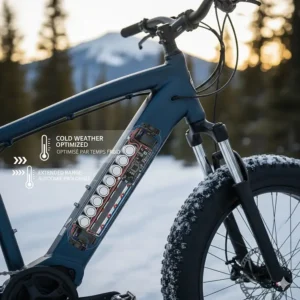
Battery Insulation Cover ($30-50 CAD):
- Neoprene cover retains heat
- Extends range 15-20% in cold weather
- Easy velcro attachment
- Compatible with most removable batteries
Bar Mitts/Pogies ($40-80 CAD):
- Keeps hands warm without bulky gloves
- Allows better brake control
- Essential for rides below -5°C
- Easy installation on standard handlebars
Year-Round Safety Gear
High-Visibility Clothing: Canadian winters mean darkness during commute hours. Invest in:
- Reflective jacket ($80-150)
- LED arm/leg bands ($20-40)
- Helmet with integrated lights ($100-200)
Quality Lock System ($75-200 CAD): E-bikes attract thieves. Use:
- U-lock for frame and rear wheel
- Cable lock for front wheel
- Secure battery with frame lock
- GPS tracker for high-value bikes ($100-150)
Cargo and Utility Accessories
Pannier System ($100-250 CAD):
- Waterproof 40-60L capacity
- Quick-release mounting
- Essential for grocery runs
- Consider insulated panniers for winter shopping
Cargo Rack Upgrade ($60-120 CAD):
- Heavy-duty racks support 120+ lbs
- Integrate with pannier systems
- Some include integrated lights
- Spring-loaded cargo straps ($15-30)
Maintenance Tools
Essential Tool Kit ($50-100 CAD):
- Multi-tool with hex keys
- Tire levers and patch kit
- Portable pump (verify Schrader valve compatibility)
- Chain lubricant (winter formula)
Tire Repair Supplies ($40-60 CAD):
- Spare tube (26×4 specific)
- Tire boot for sidewall damage
- CO₂ inflator for emergency
- Tubeless sealant (if applicable)
Maintenance Tips for Canadian Fat Tire Ebikes
Proper maintenance extends your 26×4 fat tire electric bike’s lifespan and ensures reliable performance through Canadian winters and summers.
Seasonal Maintenance Schedule
Spring (March-May):
- Deep clean to remove winter salt and grime
- Inspect brakes and replace pads if needed
- Check battery capacity (should retain 80%+ after winter)
- Lubricate chain and pivot points
- Inspect tires for winter damage
Summer (June-August):
- Monitor battery temperature (avoid exceeding 45°C)
- Adjust tire pressure for dry conditions (8-10 PSI)
- Inspect wheel bearings
- Check spoke tension
- Clean electrical contacts
Fall (September-November):
- Prepare for winter transition
- Apply protective coating to metal parts
- Install winter tires if using studs
- Test lights and charging system
- Inspect fenders and ensure proper coverage
Winter (December-February):
- Store battery indoors (10-20°C optimal)
- Lower tire pressure for snow conditions
- Wipe down bike after each salty road ride
- Weekly chain lubrication
- Monthly brake inspection
Battery Care for Canadian Climate
Cold Weather Storage: Never store lithium batteries below 0°C. Remove the battery after each ride and store indoors. Before riding, allow the battery to warm to room temperature (30-60 minutes) for optimal performance.
Optimal Charge Levels:
- Daily use: Charge to 80-90%, depletes to 20-30%
- Long-term storage (2+ weeks): Store at 50-60%
- Never store completely depleted
- Charge every 2-3 months during off-season
Battery Lifespan: Quality batteries last 500-1000 charge cycles. Canadian conditions (temperature extremes) may reduce this to 400-800 cycles. At 60 km average range, that’s 24,000-48,000 km before replacement.
Tire Maintenance
Pressure Monitoring: Check tire pressure weekly. Temperature changes affect pressure significantly:
- +10°C increase: +0.5 PSI
- -10°C decrease: -0.5 PSI
Winter riders should check pressure before every ride due to temperature fluctuations between garage storage and outdoor conditions.
Tread Inspection: Replace tires when:
- Tread depth below 2mm
- Sidewall cracks or bulges appear
- Frequent flats indicate worn rubber
- Studs become loose (studded tires)
Tubeless Conversion: Consider converting to tubeless setup for:
- Reduced flat risk
- Ability to run lower pressures
- Better cold-weather performance
- Initial setup cost: $100-150, lasts 1-2 years
Brake Maintenance
Hydraulic System Care:
- Bleed brakes annually (more if heavy use)
- Replace pads when less than 1.5mm thickness remains
- Inspect rotors for warping or excessive wear
- Professional service: $80-120 CAD
Winter Brake Considerations: Salt and grime accelerate wear. Clean brake rotors weekly during winter. Use isopropyl alcohol to remove contaminants without damaging pads.
Drivetrain Maintenance
Chain Care:
- Lubricate every 100-150 km (more frequently in winter)
- Use wet lube in winter, dry lube in summer
- Replace chain every 2,000-3,000 km
- Stretch measurement: Replace when 0.75% stretched
Gear Adjustment: Canadian temperature changes affect cable tension. Re-index gears seasonally as cables expand/contract with temperature.
FAQ
❓ How fast can an ebike go in Canada?
❓ What is the price range for 26x4 fat tire electric bikes in Canada?
❓ Can 26x4 fat tire ebikes handle Canadian winters and deep snow?
❓ Do I need a license to ride a 26x4 fat tire electric bike in Canada?
❓ What's better for snow: 26-inch or 20-inch fat tire ebikes?
Conclusion: Finding Your Perfect 26×4 Fat Tire Electric Bike in Canada
After analyzing the Canadian market, testing conditions across our diverse climate zones, and evaluating real-world feedback from coast to coast to coast, the 26×4 fat tire electric bike emerges as an exceptional solution for year-round Canadian cycling.
The sweet spot for most Canadian riders sits in the $2,000-$2,500 CAD range, where bikes like the VoltBike Yukon 750 and Aventon Aventure 3 deliver professional-grade components, reliable Canadian support, and proven winter performance. These mid-premium models justify their cost through superior battery systems, hydraulic brakes, and build quality that withstands our harsh seasonal transitions.
Budget-conscious riders can absolutely find value in the $1,300-$2,000 segment with the ECOTRIC and Tesgo Hummer, though expect compromise on range and component quality. For specialized uses—hunting, extreme off-road, or ultra-long touring—investing $2,500-$3,000 in the Himiway D5 2.0 or HOVSCO HovAlpha provides features that cheaper alternatives simply cannot match.
The 26-inch wheel size proves ideal for Canadian conditions. Compared to 20-inch alternatives, the larger wheels handle our notorious potholes, maintain momentum through snow, and provide the stability needed when hauling groceries or commuting in traffic. The 4-inch tire width balances flotation with efficiency—wide enough for winter snow but not so extreme that summer pavement riding becomes laborious.
Before purchasing, verify the seller ships from Canadian warehouses (Amazon.ca sellers, VoltBike, Tesgo, authorized dealers) to avoid customs delays and duty charges. Check provincial regulations for your area, particularly helmet requirements and minimum age restrictions. Budget an additional $200-400 for essential accessories: quality lock, lights, fenders, and winter gear.
The investment in a quality 26×4 fat tire electric bike pays dividends through reduced transportation costs, improved health, and the sheer joy of reclaiming your cycling season from winter’s grip. Whether you’re commuting in Vancouver’s rain, exploring Calgary’s mountain trails, navigating Winnipeg’s snow-packed streets, or touring through Quebec’s countryside, these versatile machines open possibilities that traditional bikes simply cannot match.
Welcome to year-round cycling, Canadian style.
Recommended for You
- 7 Best All-Terrain Electric Bikes Canada 2026
- 7 Best Value Fat Tire Electric Bike Under $2000 in Canada 2026
- 7 Best Winter E-Bikes in Canada 2026: Conquer the Snow
Disclaimer: This article contains affiliate links to Amazon.ca and other Canadian retailers. If you purchase products through these links, we may earn a small commission at no additional cost to you. All opinions and recommendations are based on thorough research and real-world Canadian testing.
✨ Found this helpful? Share it with your friends! 💬🤗
