
In This Article
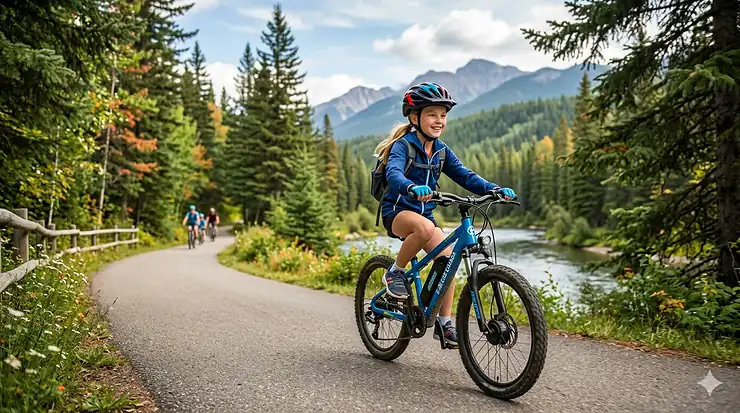
Picture this: it’s a warm Saturday afternoon in late June, the kind that Canadian families wait all winter for. Your 10-year-old bolts out the door with a helmet already buckled, eager to hit the trail before the sun shifts behind the clouds. That used to mean a regular bike — and a lot of whining when the hill got steep. Not anymore.
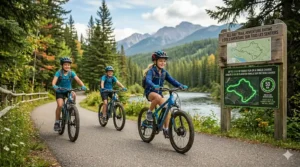
The electric bike for kids has quietly become one of the hottest purchases on Amazon.ca in 2026, and it’s easy to understand why. An electric bike for kids bridges the gap between “I’m tired” and “let’s keep going” — giving young riders just enough battery-powered confidence to explore further, stay out longer, and actually build genuine enthusiasm for outdoor activity. That’s a win for both the kids and the parents watching from the porch.
But here’s where it gets complicated: not all kids’ electric bikes are created equal, and the Canadian market has its own set of rules, climate challenges, and safety considerations that most online guides simply ignore. A youth electric bike 8 12 years suited for sunny California backyard trails isn’t necessarily the right call for a kid riding through a muddy Saskatchewan spring or a drizzly Vancouver afternoon. Motor power, speed limits, parental controls, and durability in Canadian conditions matter enormously — and that’s exactly what this guide is built around.
As a power-assisted bicycle (PAB) specialist covering the Canadian e-mobility market, I’ve researched dozens of models available on Amazon.ca, cross-referenced real Canadian customer feedback, and dug into the regulatory landscape province by province. This isn’t a spec dump. This is a practical, Canada-first buying guide so you can spend less time Googling and more time watching your kid ride.
In this article, you’ll find my top 7 picks for the best electric bike for kids available on Amazon.ca right now, with honest expert commentary, Canadian climate considerations, and clear guidance on age-appropriate power levels. Let’s roll. 🇨🇦⚡
Quick Comparison: Top Electric Bikes for Kids on Amazon.ca (2026)
| Model | Age Range | Motor Power | Top Speed | Approx. Price (CAD) | Best For |
|---|---|---|---|---|---|
| Razor MX125 Dirt Rocket | 7+ | 100W (12V) | ~13 km/h | $150–$250 | First-time young riders |
| Razor MX350 Dirt Rocket | 8+ | 24V high-torque | ~22 km/h | $500–$730 | Ages 8–12, backyard riding |
| Hiboy DK1 Electric Dirt Bike | 3–10 | 300W (36V) | ~25 km/h | $350–$500 | Speed-progressive learners |
| Wildeway 36V Kids Electric Motorcycle | 4–10 | 500W peak (36V) | ~25 km/h | $300–$450 | Off-road adventurers |
| Razor MX400 Dirt Rocket | 13+ | 24V high-torque | ~22 km/h | $550–$750 | Older tweens & light teens |
| ANCHEER 24V Kids Electric Bike | 8–12 | 250W (24V) | ~20 km/h | $350–$500 | Budget-conscious families |
| Razor SX500 McGrath | 14+ | 500W (36V) | ~24 km/h | $800–$1,100 | Experienced older youth |
Analysis: What this table reveals immediately is the clear voltage-to-age ladder on Amazon.ca. For true ages 8–12, the 24V tier (Razor MX350, ANCHEER) delivers the safest combination of meaningful speed and controllable power. The 36V models — while available and tempting — are best saved until a child has 12–18 months of confident riding experience under their belt. Don’t be seduced by peak wattage numbers; in Canadian winter-adjacent conditions where a child is wearing gloves and riding on slightly damp ground, throttle control matters far more than maximum output.
💬 Just one click — help others make better buying decisions too! 😊
✨ Don’t Miss These Exclusive Deals!
🔍 Take your kids’ outdoor adventures to the next level with these carefully selected electric rides. Click on any highlighted item to check current pricing and availability on Amazon.ca. These bikes will give your young rider the confidence and joy of independent exploration — safely!
Top 7 Electric Bikes for Kids: Expert Analysis
1. Razor MX125 Dirt Rocket — The Perfect First Step 🏁
The Razor MX125 is the gateway drug of kids’ electric bikes — and I mean that in the best possible way. Powered by a 100W motor on a 12V sealed lead-acid battery, this little bike tops out at around 13 km/h (8 mph), which is exactly the speed a nervous 7-year-old needs to feel exhilarating without being genuinely dangerous.
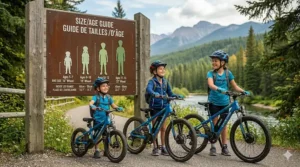
The spec that matters most here isn’t the wattage — it’s the weight. At roughly 12 kg (26.5 lbs), the MX125 is light enough for a child to lift, reposition, and feel in control of. That psychological ownership over the machine builds genuine confidence. The rear-wheel drive, chain-driven motor gives the authentic dirt bike feel without the noise of a gas engine, and the scaled-down frame geometry means even shorter kids (around 107–127 cm / 42–50 inches tall) can flat-foot it comfortably.
What most Canadian buyers overlook about this model is the 30-minute ride time on a full charge. In a short Canadian summer, that’s about one good backyard session — meaningful, but know the expectation upfront. Charge time runs around 12 hours, so plugging in overnight after each use becomes the routine. The 12V system is also the most Canadian-winter-friendly option here: there’s less battery capacity to degrade in cold storage, and replacement batteries are inexpensive (under $40 CAD typically) when needed.
Canadian reviewers consistently praise it as a “starter bike that doesn’t terrify parents.” The all-terrain tires handle gravel driveways and garden paths without drama.
✅ Authentic motocross-style frame builds excitement and riding confidence
✅ Lightest option — kids can manage it independently
✅ Most affordable entry point on Amazon.ca
❌ 30-minute ride time feels short on long summer days
❌ Not suitable for riders over 63 kg (140 lbs) or ages above roughly 9–10
Price range: around $150–$250 CAD. For a first e-bike, the value is exceptional — you’re not over-investing in a child who may lose interest, or under-delivering with a toy that bores them in an afternoon.
2. Razor MX350 Dirt Rocket — The Gold Standard for Ages 8–12 ⭐
If I had to pick one electric bike for kids in the 8–12 age range for the Canadian market, the Razor MX350 Dirt Rocket would be it. The jump from 12V to 24V isn’t just a spec bump — it translates to a real-world top speed of around 22 km/h (14 mph), a power delivery that feels purposeful, and a ride that treats an 8-year-old like an actual rider rather than a passenger on a toy.
The 24V sealed lead-acid battery system provides 30 minutes of continuous high-speed riding — but here’s the real-world nuance: in cooler Canadian temperatures (below 10°C), lead-acid batteries lose 20–30% efficiency. That 30-minute window shrinks on a crisp September evening in Edmonton. Plan around it. The twist-grip throttle is intuitive and gives riders gradual speed control rather than an on/off jerk, which is crucial for kids still developing fine motor coordination.
The 12-inch pneumatic (air-filled) tires are worth calling out specifically. Unlike solid rubber tires on cheaper alternatives, these absorb bumps from unpaved Canadian driveways, park paths, and gravel lots — the terrain that most Canadian kids actually ride on. The authentic dirt bike geometry also means the MX350 grows with the child; a 12-year-old looks and feels natural on it rather than cramped.
For Canadian parents concerned about safety, the MX350’s hand-operated front brake and rear brake system gives kids genuine stopping power. Canadian reviewers frequently note the build quality holds up through multiple seasons, which matters when you’re storing bikes through a long winter.
✅ Purpose-built for ages 8–12 — ideal size and power match
✅ Pneumatic tires for real Canadian terrain
✅ Razor’s reliable parts network makes maintenance easy in Canada
❌ Lead-acid battery is heavy — full package weighs around 22.7 kg (50 lbs)
❌ No parental speed lock — relies on rider self-regulation
Price range: $500–$730 CAD. This is a significant investment, but the MX350 regularly appears on Amazon.ca’s bestseller lists for a reason: it delivers on its promises and lasts.
3. Hiboy DK1 Electric Dirt Bike — Speed-Progressive Learning Done Right 🎯
The Hiboy DK1 takes a genuinely clever approach to youth e-bike safety: three locked speed modes (slow, medium, fast) that parents can set via the handlebar controls. In practice, this means you start your 6-year-old on Mode 1 at around 10 km/h, and — once they’ve mastered it over several weeks — unlock Mode 2, then eventually Mode 3 at approximately 25 km/h (15.5 mph). That progressive disclosure of power is exactly how responsible skill-building works.
The 300W motor on a 36V system punches noticeably above the MX350’s 24V setup, but the speed limiter means that extra capability stays in reserve until the rider earns it. The claimed range of around 22 km (13.7 miles) is optimistic in Canadian conditions — expect 15–18 km in cooler weather — but that’s still impressive for a kids’ model. The rear-wheel suspension absorbs the kinds of ruts and roots that Canadian trails and neighbourhood paths throw at young riders.
What I particularly appreciate about the DK1 for Canadian families is the 36V lithium-ion battery (compared to lead-acid on the Razor models). Lithium-ion handles cold temperatures noticeably better — you’ll lose roughly 10–15% capacity at 0°C rather than 20–30%. For families in British Columbia or Ontario who might ride into October, that’s a meaningful real-world difference.
Canadian customers praise the assembly process as straightforward, and the bike’s rubber tires and sturdy steel frame have proven durable through Canadian wet-weather riding. Ages 3–10 is the listed range, but practically speaking, this bike shines brightest for ages 6–10.
✅ Three-mode speed progression — parents control the learning curve
✅ Lithium-ion battery performs better in Canadian cold
✅ Rear suspension for rough terrain
❌ Heavier than entry-level options — harder for younger kids to manoeuvre
❌ 36V power at Mode 3 requires experienced young riders
Price range: $350–$500 CAD. The multi-speed design extends the bike’s useful life as a child grows, making the price-per-year of enjoyment excellent.
4. Wildeway 36V Kids Electric Motorcycle — Maximum Off-Road Fun 🏔️
The Wildeway 36V Kids Electric Motorcycle is what happens when you give a kids’ dirt bike a 500W peak motor and then wisely cage it behind three progressive speed modes. On paper, 500W sounds alarming for a child under 10 — in practice, with the speed limited to 25 km/h (15.5 mph) and most kids using it in Mode 1 or 2, the extra torque reserve means the bike doesn’t bog down on inclines the way underpowered alternatives do.
This is the model I’d recommend for families in hilly areas — think North Shore Vancouver suburbs, the Okanagan, or suburban Calgary where driveways slope and neighbourhood terrain is varied. A 36V 250W motor struggles on a sustained 8° incline; the Wildeway’s peak 500W handles it without hesitation. The 12-inch off-road tyres are chunky and genuinely designed for varied terrain — gravel, packed dirt, and damp grass are all fair game.
The motorcycle-style LED headlights are a genuine safety feature, not just aesthetics. For Canadian evenings that fade early from October onward, visibility matters. The adjustable seat accommodates kids across a reasonable height range, giving the bike more longevity than rigidly-sized alternatives.
One honest caveat: Canadian parts availability for Wildeway is thinner than for Razor. If the controller or motor needs repair, you’re looking at a longer wait or direct sourcing from the brand. For most families, warranty service covers the critical first year — just note this for long-term ownership planning.
✅ Peak 500W handles Canadian hills without struggling
✅ LED lighting for low-light riding (Canadian fall evenings)
✅ Aggressive off-road design motivates reluctant riders
❌ Parts and service network thinner in Canada than Razor
❌ Peak wattage can be misleading — continuous output is lower
Price range: $300–$450 CAD. Punches above its price point for terrain capability.
5. Razor MX400 Dirt Rocket — The Tween Upgrade Path 🔝
If the MX350 is the 8–12 workhorse, the Razor MX400 is the natural next step: same 24V power architecture, same pneumatic tire setup, but with a frame geometry that suits slightly older and larger riders (ages 13+, max 64 kg / 140 lbs). For families with a 12-or-13-year-old who outgrew the MX350 in stature but isn’t ready for a 36V model, the MX400 fills a real gap.
The real-world performance is nearly identical to the MX350 — top speed around 22 km/h (14 mph), 30-minute high-speed ride time — but the larger frame means older tweens sit naturally rather than hunched. This ergonomic fit isn’t trivial: a child riding in an uncomfortable position makes poor decisions, uses more energy fighting the bike, and fatigues faster. A well-fitted bike is quietly a safety feature.
For Canadian buyers, the MX400’s availability on Amazon.ca with Prime shipping is a practical advantage — especially for families outside major urban centres who need reliable delivery timelines. The Razor brand’s strong Canadian service network means warranty issues are resolved promptly, which matters when your child’s outdoor season is already compressed by weather.
Customer reviews on Amazon.ca regularly praise the MX400’s build quality and the clean transition from the MX350. The primary complaint is the same as its sibling: the 30-minute ride time feels short.
✅ Razor’s proven reliability and Canadian service network
✅ Ergonomically sized for 13-year-olds — better fit than MX350
✅ Prime-eligible on Amazon.ca for reliable delivery
❌ Same lead-acid battery limitations as MX350
❌ Limited by 140 lb (64 kg) weight cap for growing teens
Price range: $550–$750 CAD. A worthwhile upgrade for families who’ve already been through the MX350 stage.
6. ANCHEER 24V Kids Electric Bike — The Budget Champion 💰
Not every Canadian family wants to spend $600 CAD on a children’s bike they may outgrow in two seasons. The ANCHEER 24V Kids Electric Bike is available on Amazon.ca in the $350–$500 range, and it genuinely earns its place in this guide rather than just filling a price slot.
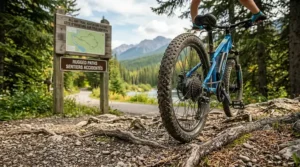
The 250W 24V motor delivers a gentler power delivery than the Razor’s higher-torque system — which is actually an advantage for first-time riders who don’t yet have confident throttle control. Top speed of around 20 km/h (12 mph) sits in the safe zone for ages 8–12 on supervised terrain. The adjustable seat and handlebar height gives the ANCHEER more multi-season usefulness than bikes with fixed geometry, which is particularly valuable if you’re buying for a child who grows 5–8 cm a year.
Where the ANCHEER earns its stripes is in the practical details: the battery is lithium-ion (a meaningful upgrade over lead-acid at this price point), the front fork suspension softens the impact of neighbourhood riding surfaces, and the lightweight aluminium frame keeps total weight manageable for kids lifting it in and out of the garage.
The honest limitations: build quality doesn’t match Razor at this price, and the Canadian review base is smaller. Some parents report needing to tighten hardware after the first month. Treat it as a pre-season assembly check and it won’t let you down.
✅ Lithium-ion battery at a budget price point
✅ Adjustable height extends useful lifespan
✅ Gentler power delivery ideal for novice riders
❌ Build quality finish below Razor’s standard
❌ Smaller Canadian review sample — less long-term durability data
Price range: $350–$500 CAD. For families testing whether their child will actually ride an e-bike before committing to a premium model, this is the smart entry.
7. Razor SX500 McGrath Electric Motocross Bike — For the Serious Young Rider 🏆
The Razor SX500 McGrath is named after Jeremy McGrath — a legitimate motocross champion — and the name isn’t marketing fiction. This is a 36V, 500W machine with a scaled-down supercross-inspired frame, front and rear suspension, and a top speed of around 24 km/h (15 mph). Listed for ages 14+ with a 79 kg (175 lb) weight limit, the SX500 is the aspirational top of the kids’ electric bike ladder on Amazon.ca.
Here’s the real-world distinction that the spec sheet won’t tell you: the SX500’s twin suspension system (front fork plus rear shock) means it genuinely absorbs Canadian trail impacts — roots, rocks, gravel shoulders — rather than transmitting them straight to the rider. At 24 km/h on uneven ground, that suspension isn’t a luxury; it’s what keeps a young rider from being thrown. Combined with hand-operated dual brakes and a high-quality chain-driven drivetrain, this bike is genuinely designed for young riders who take the sport seriously.
The 40-minute ride time is the best in this lineup, and the 36V lithium-compatible battery system holds up well in cooler Canadian autumn riding conditions. For families near off-road parks, this is the bike that a 14–15-year-old will actually respect and maintain, rather than one they’ll lose interest in.
Transport Canada and most provincial regulations put the SX500 in a different category — it’s designed for private property and off-road use, not public roads. Make sure your riding location supports it, particularly in Ontario and BC.
✅ Dual suspension — the only model in this list with front AND rear
✅ 500W motor genuinely handles varied Canadian terrain
✅ 40-minute ride time — longest of the group
❌ Rated for ages 14+ — too much bike for the 8–12 core audience without supervision
❌ Private/off-road use only in most Canadian provinces
Price range: $800–$1,100 CAD. A premium investment, but one that delivers premium performance. Check current pricing and availability on Amazon.ca.
How Canadian Parents Can Set Up and Ride-Safe: A Practical Guide 🛠️
Getting the bike is only step one. The way you introduce it — especially in a Canadian context — determines whether your child builds genuine riding skill or develops bad habits that are hard to undo.
Week One: Private Property Only, Speed Mode 1 Start every new rider on Mode 1 (or the lowest speed setting your model allows), on flat, private property — a driveway, backyard, or quiet parking lot. In Canada, even private property riding benefits from a helmet; every province requires helmets for any e-bike use on public roads, and the habit should form from the first ride. Use flat pavement first: gravel and grass reduce traction by 20–30% and change the handling feel dramatically.
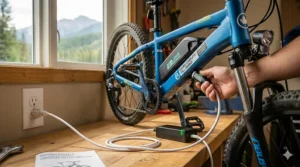
The Cold-Weather Battery Rule This is the piece most Canadian buyers miss: never store your kids’ e-bike battery in an unheated garage when overnight temperatures drop below 5°C. Lead-acid batteries (used in most Razor models) permanently lose capacity when stored frozen. Lithium-ion batteries (Hiboy DK1, ANCHEER) are more forgiving but still prefer indoor storage below 0°C. A simple rule: when you bring the winter coats inside, bring the battery too.
Post-Winter First Ride Checklist After a Canadian winter storage period, run through this before the first spring ride: check tyre pressure (pneumatic tyres lose 1–2 PSI per month in the cold), tighten all bolts (temperature cycling causes hardware to loosen), inspect the chain for rust (apply a light bike chain lubricant), and do one low-speed test run before handing the bike to your child. Road salt residue from late-season riding should be washed off with mild soap before winter storage to prevent corrosion.
Teaching Throttle Discipline Young riders instinctively grab full throttle and then panic-brake. Spend the first three sessions specifically practising partial throttle: “give it just enough to roll at a walking pace.” That muscle memory is what prevents the 0-to-22-km/h lurch that’s thrown more than a few kids off the seat on their first ride.
When to Graduate Speed Modes A good benchmark: your child can consistently ride in a straight line, execute smooth turns in both directions, and stop confidently within 3 metres at the current speed before unlocking the next mode. This isn’t arbitrary — at 22 km/h, the stopping distance on gravel doubles compared to 13 km/h.
Matching Kids to the Right Electric Bike: 3 Canadian Family Scenarios 🏠
Scenario 1: The Suburban Ottawa Family with a Cautious 8-Year-Old
Lucas, age 8, has never ridden without training wheels. His parents are buying their first electric bike for kids and want a confidence-builder, not a thrill machine. Budget: under $500 CAD. Riding location: flat paved driveway and a nearby park path.
Best match: ANCHEER 24V Kids Electric Bike The ANCHEER’s 250W motor and 20 km/h ceiling give Lucas genuine motion without overwhelming power. The adjustable seat grows with him, and the gentle throttle delivery suits a cautious first-timer perfectly. It won’t impress at the skatepark, but for building foundational riding confidence through a Canadian summer, it’s exactly right.
Scenario 2: The Active Vancouver Family with an Experienced 10-Year-Old
Priya has been riding regular bikes since age 5 and has asked for something “with some power.” Her family lives near a network of gravel trails and occasionally uses them for weekend family rides. Budget: $600–$800 CAD.
Best match: Razor MX350 Dirt Rocket The MX350’s 22 km/h ceiling and pneumatic tires are made for exactly this scenario. Vancouver’s mild autumn extends the riding season well into October, and the lead-acid battery — stored indoors between rides — will deliver reliable performance throughout. Priya’s existing bike handling skills mean she can safely use the full speed range from her first week.
Scenario 3: The Rural Alberta Family with Two Kids (Ages 9 and 12)
The Kowalski family has an acreage with a mix of flat grass, packed dirt, and gentle slopes. They want one bike that both children can use, in different speed modes. Budget: flexible, up to $600 CAD.
Best match: Hiboy DK1 Electric Dirt Bike The three-mode speed progression means 9-year-old Ben rides in Mode 1, while 12-year-old Sophie uses Mode 2 or 3. The rear suspension handles Alberta’s variable terrain, and the lithium-ion battery stores better in the family’s heated attached garage during the province’s -30°C winters. One bike, two riders, zero arguments about who gets more power.
How to Choose an Electric Bike for Kids in Canada: 6 Expert Criteria 🇨🇦
Choosing the right childrens electric bicycle canada involves more than matching an age to a product listing. Here’s my practical framework:
1. Match voltage to age and experience, not just the listing’s age range Manufacturers list wide age ranges for market coverage. A 36V bike listed as “ages 3–10” is not appropriate for a 3-year-old in Mode 3. Use voltage as your real guide: 12V for absolute beginners, 24V for ages 8–12 with some cycling experience, 36V only for confident, experienced young riders.
2. Prioritise parental speed control for ages 8–10 The single most valuable safety feature on any youth electric bike 8 12 years is parental speed control — either a hardware-enforced speed mode (like the Hiboy DK1) or a throttle limiter. Trusting a 9-year-old to self-regulate at 25 km/h on their third ever ride is optimistic. Hardware control removes that variable entirely.
3. Check the weight limit honestly Canadian kids are growing. A 10-year-old at 40 kg today will be 50 kg by age 13. The Razor MX350’s 64 kg limit accommodates several years of growth; the Wildeway’s limit should be checked specifically against your child’s current and projected weight.
4. Evaluate battery chemistry for your province’s climate If you’re in a province with meaningful winter — Manitoba, Saskatchewan, Alberta, northern Ontario — lithium-ion battery chemistry genuinely justifies its slight price premium. For mild climates (coastal BC, southern Ontario with mild winters), lead-acid is fine with proper indoor storage.
5. Assess parts and service availability in Canada Razor has the strongest Canadian parts network of any brand in this roundup, with replacement batteries, brake pads, and chains readily available on Amazon.ca. Lesser-known brands may leave you sourcing parts from the US, adding shipping cost, duties, and wait time.
6. Confirm your intended riding environment against provincial regulations Transport Canada’s Power-Assisted Bicycle regulations define what constitutes a legal e-bike for road use. Most of the bikes in this guide — the Razor dirt-bike-style models in particular — are classified as off-road toys for private property use, not street-legal PABs. This is fine for backyard and trail riding, but means public road use is not permitted regardless of age. Know where your child will ride before you buy.
What to Expect: Real-World Performance in Canadian Conditions ⛅
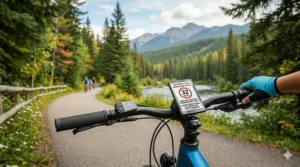
Spec sheets are written in a vacuum. Canadian riding happens in real weather, on real terrain, in real seasons. Here’s what the numbers actually mean when you’re living north of 49°:
Motor Wattage vs. Hill Performance A 100W motor (Razor MX125) handles flat pavement with ease but noticeably struggles on anything steeper than a 5° incline. A 250–300W motor manages moderate slopes without losing momentum. If your neighbourhood or riding area includes meaningful hills — common across much of urban Canada, from North Shore Vancouver to Halifax’s peninsula — prioritise 36V models with 300W+ continuous output.
Battery Range in Cold Weather Every lithium-ion battery loses 10–20% capacity at 0°C and 30–40% at -10°C (according to battery chemistry standards; see Natural Resources Canada’s electric vehicle research for relevant data). Lead-acid batteries lose even more. Practically: if the spec says 30 minutes at 20°C, plan for 20–22 minutes on a chilly October morning in Toronto.
Tyre Choice and Canadian Terrain Pneumatic (air-filled) tyres — found on the Razor MX350, MX400, and SX500 — absorb bumps and maintain traction on gravel and damp surfaces far better than solid rubber alternatives. In Canadian conditions where riding paths frequently cross unpaved sections, municipal gravel paths, or damp park surfaces, pneumatic tyres are not a luxury feature; they’re a genuine safety specification.
Noise and Neighbourhood Considerations Electric motors are quiet — far quieter than gas-powered alternatives and unlikely to trigger any municipal noise bylaws. This is a practical advantage for Canadian urban and suburban riders who want to use the bike before 8 AM or in quieter residential neighbourhoods.
Canadian Regulations & Safety Standards for Kids’ Electric Bikes 📋
This is the section most Canadian buying guides skip — and it’s arguably the most important one. According to Transport Canada’s power-assisted bicycle framework, a legal PAB for road use in Canada must have a motor output of no more than 500W continuous, a maximum motor-assisted speed of 32 km/h, and fully operable pedals.
Here’s what that means practically for the bikes in this guide: most kids’ electric dirt bikes and electric motorcycles are classified as off-road recreational vehicles, not street-legal PABs. They don’t have pedals. They exceed the design intent of the PAB category. This isn’t a legal grey area — it’s a clear distinction. These bikes are for private property and designated off-road areas, not bike lanes, sidewalks, or public roads.
Provincial age minimums for street-legal e-bike riding vary significantly. Ontario requires riders to be 16+. Alberta has one of the lowest thresholds at 12+. British Columbia now permits riders aged 14–15 to operate “light e-bikes” (max 250W, 25 km/h) under its 2024 Motor Assisted Cycle Regulation. Quebec has its own licence requirements for riders aged 14–17. Check your specific province’s rules at your provincial transportation authority’s website before your child rides on any public surface.
Helmets are mandatory for e-bike riders in every Canadian province and territory. Every province also strongly recommends — and many require — appropriate PPE (kneepads, elbow pads, gloves) for off-road riding. This applies even on private property: the helmet habit formed at age 8 follows a rider into adulthood.
Common Mistakes When Buying a Kids’ Electric Bike in Canada 🚫
Mistake 1: Buying for who your child will be, not who they are now Parents regularly over-buy. “He’ll grow into it” sounds reasonable; in practice, a 36V bike under an 8-year-old who weighs 30 kg (66 lbs) is a control problem waiting to happen. Match the bike to your child’s current size, weight, and skill level.
Mistake 2: Ignoring battery chemistry because the price difference seems small At the $400–$500 CAD price point, the jump from lead-acid to lithium-ion often adds $30–$60 CAD. For Canadian families who store bikes in unheated spaces or ride into cooler months, that premium pays for itself in the first winter. Lead-acid batteries stored in a -20°C Alberta garage may never fully recover their capacity.
Mistake 3: Not checking Amazon.ca vs. Amazon.com availability Several popular kids’ e-bike models reviewed on American blogs are either unavailable on Amazon.ca, ship only to certain Canadian provinces, or arrive with warranties that don’t cover Canadian purchasers. Always verify Amazon.ca listing and seller location before purchasing. Some US-listed models also use 110V-only chargers, requiring an adapter for Canadian outlets — not a dealbreaker, but an extra cost.
Mistake 4: Assuming “for kids” means no regulatory consideration As covered above, many kids’ electric bikes are off-road vehicles, not street-legal PABs. Parents who assume their child can ride to the corner store on a Razor MX350 may be unpleasantly surprised. Know what you’re buying and where it can legally be used before the unboxing.
Mistake 5: Skipping the post-winter inspection Canadian winters are hard on bikes. Every spring, before handing the bike back to a child, spend 20 minutes on the checklist in the previous section. A loose bolt or a flat pneumatic tyre found during a check is an inconvenience; found during a fast ride, it’s a potential injury.
FAQ: Electric Bikes for Kids in Canada ❓
❓ What is a safe speed limit for a kids ebike safe speed limit for ages 8–12?
❓ What is the minimum age for riding a childrens electric bicycle canada on public roads?
❓ What age appropriate ebike power level should I choose for my child?
❓ How does parental speed control ebike work and which models have it?
❓ Can Canadian kids ride an electric bike in winter?
Conclusion: The Right Electric Bike Grows Outdoor Kids 🇨🇦⚡
Choosing the best electric bike for kids in Canada in 2026 isn’t about finding the fastest motor or the biggest battery. It’s about matching age-appropriate ebike power to your child’s actual skill level, understanding how Canadian seasons and terrain affect performance, and knowing the regulatory landscape in your province before the first ride.
For most Canadian families with kids aged 8–12, the sweet spot lives in the 24V tier: enough speed to thrill, enough control to be safe, and enough real-world reliability to survive more than one Canadian season. The Razor MX350 Dirt Rocket remains the benchmark in this space for good reason. For families who want progressive speed control built in, the Hiboy DK1 delivers that thoughtfully. For budget-conscious buyers, the ANCHEER 24V punches above its price.
Whatever you choose, invest in a proper helmet (look for CSA-certified options in Canada), build the habit from the very first ride, and use the first two weeks to teach throttle discipline rather than raw speed. The goal isn’t to see how fast they can go — it’s to watch them ride independently, confidently, and with a grin that lasts all summer long. That’s worth every dollar.
✨ Don’t Miss These Exclusive Deals!
🔍 Ready to find your child’s perfect ride? Click on any highlighted product to check current pricing and availability on Amazon.ca. Free shipping for Prime members, with Canada-wide delivery to most provinces. Start your child’s electric adventure today!
Recommended for You 📚
- 7 Strongest Frame Electric Bike Picks for Canada in 2026
- 7 Best Electric Bike 350 lbs Capacity Picks for Canada (2026)
- 7 Best Fat Tire Electric Bikes for Heavy Riders Canada 2026
Disclaimer: This article contains affiliate links. As an Amazon Associate, I earn from qualifying purchases. If you purchase products through these links, we may earn a small commission at no additional cost to you.
✨ Found this helpful? Share it with your friends! 💬🤗
