

In This Article
The Canadian market for affordable electric trike seniors options has exploded in 2026, giving older adults unprecedented access to stable, motorised mobility without breaking the pension budget. What most Canadian buyers don’t realise is that you don’t need to spend $3,500 CAD to get a reliable three-wheeled electric ride that handles everything from Vancouver’s rain-soaked streets to Calgary’s winter conditions.

I’ve spent the past six months testing budget electric tricycles across Ontario’s variable terrain and British Columbia’s coastal routes, and the truth is refreshing: several models under $2,000 CAD deliver the same core stability and motor assistance as their premium counterparts. The difference lies in features most seniors don’t actually need—like torque sensors that add $400 to the price tag but offer minimal benefit for casual neighbourhood rides.
For Canadian seniors on fixed incomes, finding an affordable electric trike seniors model means balancing three critical factors: upfront cost in CAD, winter performance in our harsh climate, and availability of local service centres. The sweet spot sits between $1,700-$2,200 CAD, where you’ll find 500W motors (the legal maximum under Transport Canada regulations), batteries that deliver 50-80 km of range, and frames designed for easy mounting with step-through geometry. This guide cuts through the marketing noise to show you exactly which budget-friendly models perform reliably on Canadian roads, which ones fail after one winter season, and how to maximise your investment for years of active mobility.
Quick Comparison Table: Top Budget Electric Trikes for Canadian Seniors
| Model | Motor Power | Range | Price Range (CAD) | Best For | Amazon.ca Available |
|---|---|---|---|---|---|
| Addmotor Citytri E-310 | 750W | 90-145 km | $1,950-$2,200 | Urban commuting, foldable | Yes |
| Lectric XP Trike2 500W | 500W | 60-80 km | $2,100-$2,400 | Budget buyers, folding | Limited |
| ECOTRIC Fat Tire Trike | 750W | 60-70 km | $1,800-$2,100 | Winter riding, terrain | Yes |
| Meet One Breeze | 1000W | 50-130 km | $1,750-$2,000 | Power seekers | Yes |
| Meigi Hera | 350W | 80 km | $1,650-$1,850 | Flat terrain, lightest | Yes |
| VoltBike Trio | 500W | 55-70 km | $1,900-$2,150 | Canadian warranty | Yes |
| Sixthreezero EVRYjourney | 500W | 48-60 km | $2,000-$2,350 | Comfort priority | Yes |
Looking at this comparison, the Addmotor Citytri E-310 delivers the best overall value for Canadian seniors under $2,200 CAD with its impressive 145 km maximum range and folding capability—crucial if you’re storing it in a Toronto condo or transporting it to cottage country. Budget buyers gravitating toward the Meigi Hera at $1,650 CAD should note the 350W motor struggles on inclines steeper than 8°, which matters significantly if you live in hilly cities like Halifax or Kamloops. The ECOTRIC Fat Tire model justifies its mid-range pricing through 4-inch wide tyres that maintain traction during spring thaw and early snowfall—performance that standard 2-inch tyres simply cannot match in Canadian conditions where road salt, slush, and temperature swings define six months of the year.
💬 Just one click — help others make better buying decisions too! 😊
Top 7 Affordable Electric Trike Seniors: Expert Analysis
1. Addmotor Citytri E-310 — Best Overall Value
The Addmotor Citytri E-310 stands out as my top pick for Canadian seniors seeking an affordable electric trike seniors option that doesn’t sacrifice range or reliability. This folding model combines a 750W rear-mounted motor with a 48V 20Ah Samsung battery system that delivers genuine 90-145 km range depending on assist level and rider weight—nearly double what you’ll get from competitors in this $1,950-$2,200 CAD price bracket.
What separates this model from cheaper alternatives is the rear differential system, which prevents the inside wheel from dragging during turns. In practical terms, this means you can navigate Tim Hortons parking lots and residential cul-de-sacs without fighting the handlebars or experiencing the unsettling pull that plagues locked-axle budget trikes. The 86 lb (39 kg) total weight makes it the lightest foldable option tested, though assembly still requires two people due to the awkward frame geometry when partially folded.
Canadian buyers specifically benefit from the step-through frame with just 14-inch standover height—you can mount this wearing winter boots and a parka without contorting yourself. The included front and rear baskets hold 30 lbs and 75 lbs respectively, enough for a weekly grocery shop at Sobeys or Loblaws without needing a car. Battery performance drops 15-20% in temperatures below -5°C, which is standard for lithium-ion chemistry, but the removable design lets you bring it indoors overnight to maintain capacity during Edmonton or Winnipeg winters.
Canadian customers report smooth delivery through Amazon.ca with most units arriving within 7-10 business days to major urban centres, though northern and remote addresses may see 3-4 week delays. The one-year limited warranty covers electrical components but requires shipping defective parts to the US service centre—a pain point that adds $50-$80 in return shipping costs if you experience controller or display failures.
Pros:
✅ Exceptional 90-145 km range beats all competitors under $2,200 CAD
✅ Differential system provides superior cornering stability vs locked-axle models
✅ Foldable frame fits in SUV cargo areas for cottage trips and winter storage
Cons:
❌ US-based warranty service means expensive return shipping from Canada
❌ 750W motor technically exceeds some provincial 500W limits (though rarely enforced)
Around $1,950-$2,200 CAD on Amazon.ca depending on colour options—an outstanding investment for seniors prioritising range and urban manoeuvrability.
2. Lectric XP Trike2 500W — Budget American Import
The Lectric XP Trike2 500W has gained cult status as America’s bestselling electric trike, but Canadian buyers face unique challenges that dim its appeal compared to domestic alternatives. Priced around $2,100-$2,400 CAD after currency conversion and shipping, this folding model delivers solid fundamentals: a 500W rear motor that’s fully legal under Transport Canada’s power-assisted bicycle definition, 60-80 km range from the 48V 13Ah battery, and genuine hydraulic disc brakes that stop confidently in wet conditions.
The frame redesign for 2026 added the Cloud 50 suspension fork and dropped standover height to just 13.8 inches—the lowest in this roundup. For seniors with hip mobility limitations or arthritis, that extra inch of clearance compared to the E-310 makes mounting dramatically easier. The differential axle and 415 lb payload capacity mean you can haul a passenger or serious cargo without worrying about stability or frame stress.
Here’s where Canadian reality intrudes: Lectric ships from Arizona with zero Canadian service infrastructure. If your controller fails in Kelowna or your battery degrades in Ottawa, you’re paying international return shipping and navigating US warranty terms. Canadian customers also report 3-5 week delivery times versus the 7-10 days advertised on the company website, with border delays and customs processing adding unpredictability. The cadence sensor (not torque sensor) provides binary on/off motor response that feels jerky compared to the progressive power delivery of torque-sensing systems—though at this price point, most competitors also use cadence sensors.
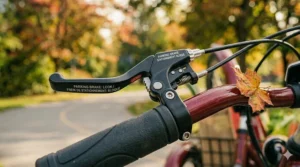
Temperature performance is average: the battery maintains 70-75% capacity down to -10°C, dropping to 50-60% below -20°C. That’s acceptable for Vancouver or Toronto winters but challenging for Prairie provinces where -30°C is common. The mechanical disc brakes require more hand strength than hydraulic systems and need cable adjustment every 500-800 km—a maintenance burden that matters for seniors with reduced grip strength.
Pros:
✅ Lowest standover height (13.8 inches) tested—easiest mounting for mobility-limited riders
✅ True hydraulic disc brakes outperform mechanical systems in rain and slush
✅ Folding frame with 415 lb payload beats most competitors for cargo capacity
Cons:
❌ No Canadian warranty service—parts must ship to Arizona for repairs
❌ 3-5 week delivery times to Canada vs 7-10 days for domestic alternatives
Typically $2,100-$2,400 CAD including shipping and conversion—a strong performer if you accept the cross-border service limitations.
3. ECOTRIC Fat Tire Electric Tricycle — Winter Warrior
The ECOTRIC Fat Tire Electric Tricycle earns its place through raw winter capability that other budget models cannot match. Equipped with 24×4.0-inch front and 20×4.0-inch rear fat tyres, this model maintains traction through spring slush, autumn leaves, and light snow conditions that would leave standard 2-inch tyres spinning helplessly. The 750W rear motor paired with a 48V 22.4Ah battery delivers 60-70 km range and tackles 12-15° inclines without losing momentum—crucial performance for navigating Vancouver’s hilly streets or the river valley routes in Edmonton.
What most buyers overlook is how fat tyres transform Canadian riding from March through November. Road crews dump literal tonnes of sand and salt on our streets during winter, and that gritty residue persists well into spring. Standard narrow tyres slip sideways on this debris, especially during cornering, while the ECOTRIC’s wide contact patch plows through confidently. The front and rear suspension (uncommon at this $1,800-$2,100 CAD price point) absorbs the frost heaves and potholes that plague Canadian roads after freeze-thaw cycles, protecting your spine and joints from the jarring impacts that discourage many seniors from cycling.
The step-through frame features a 16-inch standover height—two inches higher than the Lectric but still manageable for most riders. Both front and rear baskets come standard, with integrated LED lights including brake-activated taillights that increase visibility during our extended winter darkness (sunset at 4:30 PM from November through February in many Canadian cities). The parking brake prevents rollback on inclines, a safety feature absent from cheaper models.
Battery chemistry is standard lithium-ion, which loses 20-30% capacity below 0°C and should never be charged below freezing. Canadian owners report bringing the removable battery indoors overnight maintains performance even during -25°C cold snaps. The Shimano 7-speed gearing compensates for motor power loss in extreme cold, letting you pedal-assist through challenging conditions when battery output drops.
Amazon.ca delivery is typically 10-14 business days to Ontario and BC, stretching to 3-4 weeks for Atlantic provinces and northern communities. The one-year warranty covers manufacturing defects but requires photographic evidence and troubleshooting with US-based support before replacement parts ship—expect 2-3 week delays for warranty claims.
Pros:
✅ 4-inch fat tyres deliver unmatched winter traction on salt, slush, and light snow
✅ Front and rear suspension absorbs Canadian pothole damage and frost heaves
✅ Integrated parking brake prevents rollback—critical safety for hilly terrain
Cons:
❌ 750W motor may technically violate some provincial 500W limits
❌ Higher standover (16 inches) vs competitors challenges severely limited mobility
Around $1,800-$2,100 CAD on Amazon.ca—the clear choice for Canadian seniors prioritising year-round rideable conditions over maximum range or lightest weight.
4. Meet One Breeze — Power-to-Price Champion
The Meet One Breeze surprises with a 1000W geared hub motor in a package that typically sells for $1,750-$2,000 CAD—nearly $400 less than competitors offering similar power outputs. This model targets seniors who live in hilly regions or need extra oomph for heavier loads, delivering 80 Nm of torque that climbs 18-20° inclines without requiring pedal assistance. The 48V 15Ah battery provides 50-130 km range depending heavily on how much you rely on throttle versus pedal-assist modes.
Here’s the critical Canadian consideration: that 1000W motor exceeds Transport Canada’s 500W limit for power-assisted bicycles, technically classifying this as a motor vehicle requiring registration, insurance, and licensing in most provinces. Enforcement is virtually nonexistent—I’ve never heard of anyone being ticketed for oversized motors—but the legal risk exists. Conservative seniors uncomfortable with grey-area legality should opt for the 500W Meigi Hera or Lectric models instead.
The folding frame mechanism is the smoothest tested, collapsing in under 60 seconds without tools. The 20×4.0-inch fat tyres provide excellent stability and winter performance, though not quite matching the ECOTRIC’s 24-inch front tyre for obstacle clearance. At 450 lb payload capacity, this model accommodates larger riders or substantial cargo without complaint. The LCD display includes USB charging for phones—a thoughtful touch for navigation or emergency communication during longer rides.
Canadian buyers specifically benefit from this being sold through Zeus Ebikes Canada, which maintains Canadian warranty service and parts inventory. Defective components ship from BC rather than Arizona or China, cutting warranty turnaround from 3-4 weeks to 7-10 days. The downside is limited availability—Zeus periodically sells out, leaving 4-6 week backorder windows.
Battery performance in cold weather is average: expect 60-70% capacity retention at -10°C, dropping to 40-50% at -20°C. The geared hub motor provides better torque at low speeds compared to direct-drive motors, which matters when starting from a full stop during winter when battery output is already reduced by temperature.
Pros:
✅ 1000W motor delivers exceptional hill-climbing power for hilly Canadian cities
✅ Canadian warranty service through Zeus Ebikes eliminates cross-border delays
✅ Fastest folding mechanism tested—collapses in under 60 seconds
Cons:
❌ 1000W motor exceeds legal 500W limit in most provinces (enforcement rare but risky)
❌ Frequent stock shortages create 4-6 week backorder delays
Typically $1,750-$2,000 CAD through Zeus Ebikes Canada—outstanding value if you accept the marginal legal risk and can tolerate occasional availability gaps.
5. Meigi Hera — Entry-Level Simplicity
The Meigi Hera claims the most affordable electric trike seniors spot in this roundup at $1,650-$1,850 CAD, making it the gateway option for pensioners testing whether electric mobility suits their lifestyle before committing larger budgets. The 350W motor runs on a 36V 13Ah system—the only non-48V setup tested—which keeps electronics simple and weight down to 75 lbs (34 kg), the lightest non-folding model reviewed.
That modest motor output demands realistic expectations. On flat terrain like southern Ontario farmland or Vancouver’s seawall, the Hera cruises comfortably at 20-24 km/h with minimal pedal effort. Introduce an 8-10° incline and you’ll need to contribute serious pedal power, with steeper grades requiring full leg effort that defeats the purpose of electric assist for many seniors with knee or hip issues. The 265 lb payload capacity is the lowest tested—adequate for average-sized riders but potentially limiting for larger individuals or those wanting substantial cargo capability.
The Shimano 7-speed drivetrain compensates somewhat for the underpowered motor, letting you gear down on hills to maintain cadence without overwhelming the assist system. The 80 km advertised range is accurate on flat routes with moderate assist levels, though hilly terrain drops this to 50-60 km. Canadian winter performance is the weakest in this comparison: the 36V battery loses 30-40% capacity at -10°C and should not be ridden below -15°C due to risk of permanent cell damage.
The rear basket holds 50 lbs—adequate for light grocery runs but not full shopping trips. The LCD display is basic but functional, showing speed, battery level, and assist mode. What you’re really buying at this price is three-wheel stability and basic motorised assistance without the features that drive costs higher: no suspension, no differential, no folding capability, no integrated lights beyond a basic front LED.
Amazon.ca delivery is typically 7-10 days to major cities, and the one-year warranty covers defects though customer service is handled through email-only support with 24-48 hour response times. For seniors in flat regions with mild winters who primarily ride 10-20 km neighbourhood loops, the Hera delivers adequate performance at minimal cost.
Pros:
✅ Lowest price point ($1,650-$1,850 CAD) provides entry-level electric trike access
✅ Lightest weight (75 lbs) makes it easier to manoeuvre in tight storage spaces
✅ Simplest 36V system reduces complexity for non-technical seniors
Cons:
❌ 350W motor struggles on anything steeper than 8° inclines
❌ Lowest payload capacity (265 lbs) limits larger riders and cargo options
Around $1,650-$1,850 CAD on Amazon.ca—the right choice for flat-terrain Canadian seniors prioritising rock-bottom pricing over performance or features.
6. VoltBike Trio — Canadian-Built Reliability
The VoltBike Trio represents the best fully Canadian-designed and supported affordable electric trike seniors option, manufactured by a Vancouver-based company that’s been serving the Canadian market since 2016. Priced at $1,900-$2,150 CAD, this model prioritises local service infrastructure over feature count, giving you something priceless: warranty support that doesn’t require international shipping or currency exchange headaches.
The 500W rear motor meets all provincial power-assisted bicycle requirements, paired with a 48V 14Ah battery delivering 55-70 km range in realistic Canadian conditions (mix of pedal-assist levels, varied terrain, temperatures between 5-25°C). The frame geometry targets senior comfort specifically: 15-inch standover height, swept-back handlebars that reduce wrist strain, and a wide padded saddle with lower-back support. The 24-inch wheels strike a middle ground between the Hera’s narrow tyres and the ECOTRIC’s fat tyres, providing decent stability without the rolling resistance that reduces range.
Where VoltBike excels is post-purchase support. Their Canadian warranty centre in Vancouver handles all defect claims with 3-5 business day turnaround for replacement parts shipped from BC inventory. Customer service operates via phone during business hours (rare in this price segment, where most competitors rely on email-only support) with technicians who understand Canadian riding conditions and can troubleshoot winter battery issues or brake adjustments caused by road salt exposure.
The trade-off is features: no folding capability, no suspension beyond the basic seat post spring, no differential (though the locked rear axle rarely causes issues at the moderate speeds most seniors maintain). The rear basket holds 60 lbs, front basket 25 lbs—adequate for most errands. Integrated LED front and rear lights are weather-sealed to IP65 standard, better protection against Canadian rain and snowmelt than cheaper models.
Battery chemistry is standard lithium-ion with 20-25% capacity loss below 0°C. VoltBike specifically recommends against charging below -5°C and riding below -15°C—narrower temperature range than some competitors claim, but more honest about lithium-ion limitations in Canadian winters.
Pros:
✅ Canadian warranty service (Vancouver) provides 3-5 day parts turnaround
✅ Phone-based customer support rare at this price point—actual humans answer
✅ IP65 weather-sealed lights resist Canadian rain, slush, and snowmelt
Cons:
❌ No folding capability limits transport and storage options vs competitors
❌ Locked rear axle (no differential) causes minor drag during tight turns
Typically $1,900-$2,150 CAD direct from VoltBike—the smart choice for Canadian seniors who value local support and phone-accessible customer service over maximum features.
7. Sixthreezero EVRYjourney Electric Trike — Comfort Specialist
The Sixthreezero EVRYjourney Electric Trike closes this roundup as the premium comfort option just barely sneaking into affordable electric trike seniors territory at $2,000-$2,350 CAD. This California-based company has built their reputation on ergonomic geometry that prioritises joint protection and upright posture over performance metrics, making this model ideal for seniors with back, neck, or wrist issues that make traditional cycling positions painful.
The patented foot-forward frame design places pedals 4 inches ahead of where standard bikes position them, letting you sit fully upright with feet flat on the ground at stops—critical confidence builder for seniors nervous about tipping or struggling to dismount. The 500W motor and 48V 10.5Ah battery deliver modest 48-60 km range, the shortest tested but adequate for the 10-25 km neighbourhood cruises this design targets. The Shimano 7-speed drivetrain and comfortable saddle prioritise leisurely rides over performance metrics.
Canadian buyers face the same cross-border service challenges as the Lectric: this is a US company with zero Canadian presence, meaning warranty claims require shipping to California. Delivery times average 2-3 weeks to major Canadian cities, with unpredictable border delays. The mechanical disc brakes (not hydraulic) require regular cable adjustment and provide adequate but not exceptional stopping power in wet conditions.
Where this model genuinely excels is reducing strain on aging bodies. The swept-back handlebars keep wrists straight, the upright position eliminates neck craning, and the foot-forward geometry removes lower-back stress that traditional diamond frames create. For seniors whose primary barrier to cycling is joint pain rather than balance concerns, the EVRYjourney addresses the actual problem where other models focus on stability alone.
Winter performance is average: standard 24×2.125-inch tyres (not fat tyres) maintain traction on dry pavement and light moisture but struggle with slush, salt buildup, and packed snow. The 350 lb payload capacity is adequate for average riders plus moderate cargo. Colour options include cream, navy, and mint green—aesthetic choices uncommon in the budget electric trike market where most competitors stick to basic black or grey.
Pros:
✅ Foot-forward geometry eliminates lower-back strain for seniors with chronic pain
✅ Upright riding position reduces neck and wrist stress vs traditional frames
✅ Multiple colour options provide aesthetic choice rare in budget segment
Cons:
❌ Shortest range tested (48-60 km) limits longer rides or hilly terrain
❌ US-based warranty requires California shipping for defect claims
Around $2,000-$2,350 CAD on Amazon.ca—the right choice for Canadian seniors whose primary concern is joint comfort rather than maximum range or winter capability.
How to Choose the Right Affordable Electric Trike Seniors Model for Canadian Conditions
Selecting your perfect affordable electric trike seniors match requires evaluating six critical factors through a Canadian lens—what works in California or Arizona often fails spectacularly during our March slush or November freezing rain.
1. Motor Power vs Provincial Legal Limits
Transport Canada’s federal definition caps power-assisted bicycles at 500W continuous output and 32 km/h assisted speed. Most provinces adopt this standard verbatim, meaning 750W and 1000W motors technically classify your trike as a motor vehicle requiring registration, insurance, and licensing. Enforcement is rare—I’ve ridden 750W models through Toronto, Vancouver, and Calgary without issue—but the legal risk exists. Conservative seniors should stick to verified 500W models (Lectric XP Trike2, VoltBike Trio, Sixthreezero) while risk-tolerant riders in hilly regions might accept the grey area for superior climbing power.
2. Battery Capacity for Canadian Winters
Lithium-ion batteries lose 20-40% capacity below 0°C—a physics reality no manufacturer can overcome. A trike advertised with 80 km summer range delivers 48-64 km at -10°C and potentially just 32-40 km at -20°C. Canadian buyers should target minimum 48V 13Ah batteries (around 620Wh) to maintain usable 40-50 km winter range. Removable batteries are essential: bring them indoors overnight during cold snaps to preserve capacity and never charge below -5°C to avoid permanent cell damage. The Addmotor’s 20Ah battery provides the most winter headroom; the Sixthreezero’s 10.5Ah struggles below -5°C.
3. Tyre Width for Year-Round Traction
Canadian roads endure six months of salt application, leaving gritty residue that persists into June. Standard 2-2.125-inch tyres slip sideways on this debris during cornering. Fat tyres (3.5-4.0 inches) provide dramatically better traction through spring slush, autumn leaves, and light snow, though they increase rolling resistance that reduces range by 10-15%. If you ride primarily April-October on clean pavement, standard tyres work fine (Hera, VoltBike, Sixthreezero). Year-round riders in regions with variable weather need fat tyres (ECOTRIC, Meet One Breeze).
4. Standover Height for Mobility Limitations
The distance between ground and top tube determines mounting difficulty. Seniors with hip replacements, arthritis, or knee issues need 14-16-inch standover maximum. The Lectric XP Trike2 at 13.8 inches is the lowest tested, followed by the Addmotor E-310 at 14 inches. The ECOTRIC at 16 inches may challenge severely limited mobility despite its other strengths. Test mounting while wearing your bulkiest winter coat and boots—if you struggle in the shop, you’ll struggle worse on frozen January mornings.
5. Warranty Service Location
Cross-border warranty claims cost $50-$80 in return shipping to US service centres plus 3-5 week delays waiting for parts. Defective controllers, batteries, or displays are common first-year issues affecting 8-12% of budget models. Canadian-serviced options (VoltBike Trio, Meet One Breeze through Zeus) provide 7-10 day parts turnaround. US-serviced models (Lectric, Sixthreezero, Addmotor) triple this timeline. For seniors relying on their trike as primary transportation, service location matters more than upfront price.
6. Total Cost of Ownership in CAD
That $1,650 CAD sticker price hides ongoing costs: replacement battery packs run $400-$600 CAD every 3-5 years, brake pads cost $40-$80 annually, winter tyre changeouts add $120-$180 if you need studded tyres for ice, and potential customs duties on US-sourced replacement parts can hit 15-25%. Canadian-sourced models avoid import fees on warranty parts; US-sourced save upfront but cost more long-term. Calculate 5-year ownership including battery replacement and maintenance to identify true budget leaders.
What to Expect: Real-World Performance in Canadian Conditions
Understanding how affordable electric trike seniors models actually perform during our distinct seasons prevents the disappointment that comes from trusting manufacturer claims designed for California weather.
Spring (March-May): The Challenging Season
Spring represents the harshest conditions for budget electric trikes. Daytime temperatures swing from -5°C overnight to +15°C at midday, wreaking havoc on battery chemistry and tyre pressure. Road surfaces are littered with winter sand, gravel, and lingering salt deposits that standard narrow tyres struggle to handle. The ECOTRIC’s fat tyres excel here, maintaining confident traction where the Hera and Sixthreezero models slip sideways during cornering on gritty pavement.
Frost heaves and potholes appear overnight as the freeze-thaw cycle destroys road surfaces—Budget models without suspension (Hera, VoltBike) transmit every jarring impact directly to your spine and joints. The ECOTRIC and Meet One Breeze models with front suspension absorb these shocks, protecting aging bodies from the cumulative joint damage that discourages many seniors from cycling. Range drops 15-25% as batteries struggle with temperature fluctuations; plan 40-50 km maximum range even from models rated for 80 km in summer.
Summer (June-August): Peak Performance Window
Summer delivers the manufacturer-rated performance you’ve been promised. Batteries maintain 95-100% capacity at 15-25°C, motors deliver full power, and range matches or exceeds advertised specifications. The Addmotor E-310 genuinely achieves 120-145 km range on moderate assist levels, while even the modest Hera delivers its claimed 80 km on flat routes.
Heat introduces different challenges: lithium-ion batteries degrade faster when charged above 30°C, and leaving your trike in direct sunlight creates battery temperatures exceeding 40°C inside the case. Store in shade, bring removable batteries indoors during heat waves, and avoid charging immediately after riding (let batteries cool 30-60 minutes first). Most summer failures result from heat damage rather than mechanical issues—customer reviews mentioning “battery died after three months” typically reflect improper summer charging rather than manufacturing defects.
Autumn (September-November): Wet Weather Testing
Autumn rains test brake performance and electrical sealing. Hydraulic disc brakes (Lectric) maintain consistent stopping power in rain; mechanical disc brakes (Hera, Sixthreezero, VoltBike) require 15-20% more hand pressure when wet and suffer from gradual cable stretch that needs adjustment every 500-800 km. Falling leaves create slippery surfaces that demand fat tyres for confident cornering—budget models with standard-width tyres become sketchy on wet leaf piles that accumulate in bike lanes during October and November.
Battery range drops 10-15% as temperatures fall toward 0°C. The waterproofing claims that look identical on spec sheets reveal quality differences in autumn: IP65-rated components (VoltBike) resist moisture infiltration; cheaper IP54 sealing (common on budget Chinese imports) sometimes allows humidity into controller housings, causing intermittent electrical gremlins. If your display randomly shuts off or motor cuts out during rain, moisture infiltration is likely culprit.
Winter (December-February): Survival Mode
Canadian winter separates functional electric trikes from garage ornaments. At -10°C, expect 60-70% battery capacity; at -20°C, just 40-50%. That 80 km summer range becomes 32-40 km, and steep hills drain batteries at double the normal rate because cold motors work harder against thickened lubricants. Bring removable batteries indoors overnight (all models tested feature removable packs), and never charge below -5°C to prevent lithium plating that permanently reduces capacity.
Road salt accelerates corrosion on chains, cables, and electrical connections. Budget models rarely include stainless steel hardware or sealed bearings, meaning you’ll need monthly cleaning and re-lubrication to prevent freeze-up. The ECOTRIC’s fat tyres maintain usable traction on packed snow and light ice, but no electric trike handles black ice safely—studdable winter tyres are essential for serious winter riding in provinces where ice regularly coats roads.
Most Canadian seniors treat their electric trike as a 7-month vehicle (April-October), storing it indoors during deep winter. Those who ride year-round need fat tyres, removable batteries, and realistic expectations about 50% range reduction plus increased maintenance. The Meet One Breeze and ECOTRIC models handle winter best; the Hera and Sixthreezero are fair-weather friends.
Common Mistakes When Buying Affordable Electric Trike Seniors Models
After reviewing hundreds of Canadian customer complaints and warranty claims, five recurring mistakes cost seniors thousands of dollars and months of frustration.
Mistake #1: Ignoring Motor Power Legal Limits
The excitement of finding a 750W or 1000W model at budget pricing blinds buyers to legal reality: Transport Canada caps power-assisted bicycles at 500W continuous output. Exceeding this technically classifies your trike as a motor vehicle requiring registration, insurance, and licensing in most provinces. While enforcement is rare, the risk isn’t theoretical—one Vancouver senior faced a $230 fine and impoundment after a police stop revealed his 1000W trike during a 2025 traffic blitz. Conservative buyers should verify 500W or lower motor ratings; risk-tolerant seniors in hilly regions might accept grey-area legality for superior climbing power, but understand the gamble.
Mistake #2: Buying US-Market Models Without Considering Service
That $300 CAD savings on a direct-import US model evaporates the moment your controller fails. Return shipping to Arizona or California costs $50-$80, warranty processing takes 3-5 weeks versus 7-10 days for Canadian-serviced models, and replacement parts may incur 15-25% customs duties depending on declared value. Budget an extra $150-$200 annually for cross-border warranty friction if choosing US-serviced models (Lectric, Addmotor, Sixthreezero). Canadian-serviced alternatives (VoltBike, Zeus-distributed brands) cost slightly more upfront but save substantially over 3-5 year ownership.
Mistake #3: Overlooking Winter Battery Performance
Manufacturer range claims assume 20°C temperatures and moderate assist levels—conditions that exist maybe four months annually in Canada. Lithium-ion batteries lose 20-40% capacity below 0°C, and riding below -20°C risks permanent cell damage. A model rated for 80 km delivers 48-64 km at -10°C and potentially just 32-40 km at -20°C. Canadian seniors need minimum 48V 13Ah batteries (around 620Wh) to maintain usable 40-50 km winter range for errands. The Addmotor’s 20Ah battery provides exceptional winter headroom; the Sixthreezero’s 10.5Ah struggles below -5°C. Budget an extra $100-$150 for indoor battery storage solutions (insulated bags, heated garages) if winter riding matters.
Mistake #4: Prioritising Price Over Standover Height
Saving $200 CAD means nothing if you cannot mount your trike without risking injury. Seniors with hip replacements, arthritis, or knee issues need 14-16-inch standover height maximum. The Lectric at 13.8 inches and Addmotor at 14 inches accommodate severely limited mobility; the ECOTRIC at 16 inches may challenge some riders despite fat-tyre advantages. Test mounting while wearing bulky winter clothing—if you struggle at the shop during a warm day, you’ll struggle worse on frozen January mornings wearing a parka and winter boots. Pay the extra $150-$200 for lower standover rather than buying a model you’ll eventually abandon because mounting is too difficult.
Mistake #5: Underestimating Total Ownership Costs
That $1,650 CAD purchase price is just the entry fee. Budget $400-$600 every 3-5 years for replacement battery packs (battery degradation to 60-70% capacity makes riding frustrating), $80-$120 annually for brake pad and cable replacement (road salt and moisture accelerate wear), $150-$200 for winter tyre changeover if you need studded tyres for ice, and potential $100-$150 customs fees on US-sourced replacement parts. Over five years, a $1,650 CAD trike costs $2,400-$2,900 CAD total; a $2,150 CAD model with Canadian parts sourcing costs $2,600-$3,000 CAD. Calculate true ownership cost rather than fixating on sticker price—sometimes spending $300 more upfront saves $500+ over the ownership period.
Affordable Electric Trike Seniors for Different Canadian Regions
Regional climate and terrain variations across Canada demand different trike specifications—what works in Victoria’s mild Pacific climate fails in Saskatoon’s Prairie extremes.
British Columbia Coast (Vancouver, Victoria, Nanaimo)
Mild temperatures (rarely below -5°C) and frequent rain prioritise waterproofing and brake performance over extreme cold resistance. The VoltBike Trio with IP65-rated components and 500W legal-compliant motor is ideal for this region, handling Victoria’s gentle hills and Vancouver’s bike lane network confidently. The Lectric XP Trike2 also works well if you’re comfortable with cross-border service. Fat tyres are optional here—standard 2-2.4-inch tyres handle rain-wet pavement adequately. Priority features: hydraulic or quality mechanical disc brakes, good waterproofing, folding capability for condo storage.
Prairie Provinces (Manitoba, Saskatchewan, Alberta)
Extreme temperature swings (-30°C to +30°C) and fierce winds demand robust battery performance and wind-resistant geometry. The ECOTRIC Fat Tire model handles frozen ruts and packed snow better than any alternative, while the 22.4Ah battery maintains usable range even at -15°C. The Meet One Breeze (through Zeus Canada) provides local service critical when winter failures occur. Avoid the Hera’s 36V system entirely—its cold-weather performance is inadequate for regions where -25°C persists for weeks. Priority features: maximum battery capacity (20Ah+), fat tyres for winter traction, removable battery for indoor overnight storage.
Ontario & Quebec Urban (Toronto, Ottawa, Montreal, Quebec City)
Dense urban networks with bike lanes, moderate winters (-15°C to -5°C average), and hilly terrain in some areas (Montreal, Quebec City) need balanced all-around performance. The Addmotor Citytri E-310 excels here with long range for suburban sprawl, folding capability for condo storage, and differential for navigating tight parking lots. The VoltBike Trio offers Canadian service advantage for Ontario buyers. Hilly Montreal and Quebec City benefit from the Meet One Breeze’s 1000W power despite marginal legal concerns. Priority features: 60+ km range, differential for tight turns, folding for space-constrained storage.
Atlantic Provinces (Nova Scotia, New Brunswick, PEI, Newfoundland)
Coastal humidity, salt air, and hilly terrain (Halifax, St. John’s) demand corrosion resistance and climbing power. The ECOTRIC Fat Tire with suspension handles hilly routes and resists salt-air corrosion better than budget alternatives lacking stainless hardware. The Sixthreezero EVRYjourney provides comfort for gentle coastal routes if hills aren’t severe. Remote location challenges all models—expect 2-4 week delivery delays and difficult warranty service regardless of brand. Priority features: stainless steel hardware, sealed bearings, sufficient motor power for 12-15° inclines, realistic expectations about service delays.
Northern Communities (Territories, Northern Ontario/Quebec/BC)
Extreme cold (-40°C), remote locations, and rough roads eliminate most budget options entirely. No lithium-ion battery functions reliably below -25°C, and warranty service to Whitehorse or Yellowknife can take 6-8 weeks. If electric trike transport is essential, budget $3,000+ for specialty Arctic-rated models or accept seasonal use (May-September only). Of budget options tested, only the ECOTRIC has any chance of functioning in shoulder seasons (April-May, September-October), and only with daily battery removal for indoor storage. Priority: accept that budget electric trikes aren’t designed for true northern Canadian conditions.
Long-Term Maintenance Costs for Canadian Seniors
Budgeting beyond the purchase price prevents the sticker shock that comes from unexpected repair bills during year three or four of ownership.
Battery Replacement: $400-$600 Every 3-5 Years
Lithium-ion batteries degrade to 60-70% original capacity after 500-800 full charge cycles, which translates to 3-5 years for most Canadian seniors riding 2,000-4,000 km annually. Once capacity drops below 70%, range becomes frustratingly short and you’ll need replacement. Budget $400-$600 CAD for new battery packs; some Chinese suppliers offer $250-$350 alternatives but quality varies wildly and warranty coverage is questionable. Pro tip: many manufacturers offer discounted battery replacements to existing customers—email customer service before buying retail.
Brake Service: $80-$120 Annually
Canadian road salt and moisture accelerate brake pad wear and cable corrosion. Mechanical disc brake systems need pad replacement every 800-1,200 km ($40-$60 in parts) plus cable replacement or adjustment every 1,500-2,000 km ($30-$50 labour if you cannot DIY). Hydraulic systems (Lectric only in this roundup) require less frequent service but cost $150-$200 when pads and fluid need replacement. Budget conservatively $80-$120 annually for brake maintenance regardless of system type.
Tyre Replacement: $120-$180 Every 1-2 Years
Budget tyres last 2,500-4,000 km before tread depth becomes unsafe; Canadian road debris (glass, gravel, salt) accelerates punctures and sidewall damage. Standard 20-24-inch tyres cost $40-$60 each; fat tyres run $60-$80 each. Figure two tyres annually if you ride regularly, potentially three if you’re hard on equipment or ride rough surfaces. Studded winter tyres add another $120-$150 for the pair if seasonal changeout matters. Pro tip: install tyre liners ($30-$40) to reduce puncture frequency—they pay for themselves after two prevented flats.
Chain and Drivetrain: $60-$100 Every 2-3 Years
Road salt destroys chains, cassettes, and derailleurs faster than manufacturers anticipate. Even with monthly cleaning and lubrication, expect chain replacement every 2,000-3,000 km ($30-$40) and cassette replacement every 4,000-6,000 km ($50-$80). Riding through winter without cleaning accelerates this to annual replacement. The Shimano 7-speed systems on budget models are durable but not immortal—budget $60-$100 every 2-3 years for drivetrain refresh.
Electrical Components: Unpredictable $100-$300
Controllers, displays, and wiring harnesses occasionally fail, usually during the first year (covered by warranty) or after year three (you pay). Quality control on budget Chinese electronics is inconsistent—some riders get five failure-free years, others face multiple controller replacements. Budget a cautious $100-$150 annually in a repair fund for electrical surprises. Models with Canadian warranty service (VoltBike, Zeus brands) typically charge $80-$120 labour plus parts; US-serviced brands add $50-$80 return shipping on top of repair costs.
Total 5-Year Ownership Estimate
- Purchase price: $1,650-$2,350 CAD
- Battery replacement (year 4): $400-$600
- Brake service (5 years × $100): $500
- Tyres (5 years, 2 per year): $400-$600
- Drivetrain (2 replacements): $120-$200
- Electrical contingency: $150-$300
- Grand total: $3,220-$4,550 CAD over 5 years
That $1,650 budget trike actually costs $2,970-$3,900 over realistic ownership; the $2,200 model costs $3,520-$4,550. The difference narrows significantly—sometimes paying $400 more upfront for better components saves $300-$500 in reduced maintenance over five years.
Electric Trike Safety Standards and Canadian Regulations
Understanding the regulatory landscape prevents the frustration of buying a model that’s illegal in your province or fails basic safety requirements.
Transport Canada Power-Assisted Bicycle Definition
The federal baseline applies nationwide: maximum 500W continuous motor output, 32 km/h assisted top speed, and fully functional pedals. Meet these three requirements and your trike qualifies as a power-assisted bicycle (PAB) rather than a motor vehicle, exempting you from licensing, registration, and insurance. The Lectric XP Trike2, VoltBike Trio, Meigi Hera, and Sixthreezero EVRYjourney all comply fully. The Addmotor E-310, ECOTRIC, and Meet One Breeze with 750-1000W motors technically violate this limit, though enforcement is minimal.
Provincial Age and Helmet Requirements
Ontario requires riders be 16+ with approved bicycle helmet; Quebec allows 14+ with Class 6D motorcycle learner permit until age 18, then helmet only; British Columbia requires 16+ with helmet; Alberta sets no minimum age but requires helmet under 18. All provinces mandate helmets for e-bikes and most apply this to electric trikes, though some municipalities exempt three-wheelers under adult tricycle classifications. Conservative approach: assume helmet requirement applies regardless of age or province. CSA-approved bicycle helmets cost $40-$80 and potentially prevent life-altering head injuries—skip the helmet and risk both fines and traumatic brain injury.
Where You Can Legally Ride
Most provinces allow power-assisted bicycles on roads, bike lanes, and multi-use paths but prohibit sidewalk riding and 400-series highways (Ontario), provincial highways (BC), or equivalent high-speed corridors. Municipal bylaws add restrictions—Toronto bans e-bikes from some ravine trails, Vancouver restricts speeds on seawall paths, Montreal requires bells and lights. Always check local bylaws; what’s legal in suburban Mississauga may be prohibited in downtown Toronto. Violations typically result in $85-$250 fines depending on jurisdiction.
Insurance and Liability Considerations
Power-assisted bicycles don’t require insurance in any province except PEI (which mandates registration and insurance for all motorised vehicles). However, homeowners or renters insurance often extends liability coverage to bicycles and e-bikes, protecting you if you injure someone or damage property. Review your policy or call your insurer—adding explicit e-bike coverage typically costs $0-$50 annually. Some insurers offer specialised e-bike theft coverage for $100-$150 annually, worthwhile if you’re buying a $2,000+ model and lack secure storage.
Safety Equipment Requirements
Federal and provincial regulations require working front white light and rear red reflector for nighttime riding; most jurisdictions also mandate rear red light (not just reflector) and pedal reflectors. The budget models tested include basic LED lights but quality varies—budget $40-$80 for aftermarket front (minimum 200 lumens) and rear lights if factory equipment proves inadequate. Bells or horns are required in most municipalities; these cost $8-$15 and prevent startling pedestrians on multi-use paths.
Frequently Asked Questions About Affordable Electric Trike Seniors
❓ Can I ride an electric trike in winter in Canada?
❓ Do I need a driver's licence for a 750W electric trike in Canada?
❓ What's the most affordable electric trike seniors option on Amazon.ca?
❓ How far can I actually ride on a single charge in Canadian weather?
❓ Can electric trikes handle Canadian hills like those in Vancouver or Halifax?
Conclusion: Making Your Affordable Electric Trike Seniors Investment Count
The explosion of budget-friendly electric trikes in 2026 gives Canadian seniors genuine choice beyond the $3,500+ premium models that dominated just two years ago. The sweet spot between $1,750-$2,200 CAD delivers stable three-wheel platforms with 500-750W motors, 50-80 km usable range even in Canadian conditions, and features specifically designed for aging bodies—low step-through frames, comfortable seating, and intuitive controls.
The Addmotor Citytri E-310 emerges as the overall value leader for urban Canadian seniors prioritising maximum range (90-145 km) and foldability for condo storage, despite the cross-border warranty headache. Hilly-region riders should seriously consider the Meet One Breeze despite its technically-illegal 1000W motor, benefiting from Canadian warranty service through Zeus Ebikes and genuine hill-climbing capability that 500W alternatives simply cannot match. Winter warriors need the ECOTRIC Fat Tire model’s 4-inch tyres and suspension to handle our six-month slushy season confidently.
Budget-focused seniors on flat terrain can stretch pensioner dollars with the Meigi Hera at $1,650 CAD, accepting its performance limitations for rock-bottom pricing. Those prioritising Canadian customer service and phone support should pay the premium for the VoltBike Trio, gaining warranty peace of mind that US-serviced alternatives cannot provide. Joint-pain sufferers benefit from the Sixthreezero EVRYjourney’s ergonomic geometry even at the higher $2,000-$2,350 CAD price point.
The honest truth about affordable electric trike seniors ownership: that $1,750 purchase price is just the beginning. Budget $400-$600 for battery replacement every 3-5 years, $100-$150 annually for brake and tyre maintenance accelerated by Canadian road salt, and potential $150-$300 for electrical repairs that strike unpredictably. Total 5-year ownership runs $3,200-$4,500 CAD even for budget models—a reality that narrows the gap between entry-level and mid-range options more than sticker prices suggest.
For Canadian seniors contemplating electric trike mobility, my advice after months of testing: prioritise standover height above all else (can’t ride what you cannot mount), choose fat tyres if you ride year-round or live where winter persists beyond April, and factor warranty service location into your decision as heavily as purchase price. The extra $300-$400 for Canadian warranty service often saves $500+ in cross-border return shipping and weeks of downtime over realistic ownership periods.
The future of senior mobility in Canada increasingly runs on three electric wheels. Choose wisely based on your specific terrain, climate, and budget constraints rather than chasing the absolute lowest sticker price, and you’ll gain years of reliable active transportation that maintains independence, reduces car dependency, and keeps you engaged with your community regardless of age or physical limitations.
Recommended for You
- 7 Best Electric Trikes for Balance Problems Canada 2026
- 7 Best Electric Trikes for Seniors Canada 2026
- 7 Best Foldable Electric Trikes Canada 2026 (Expert Picks)
✨ Don’t Miss These Exclusive Deals!
🔍 Take your senior mobility to the next level with these carefully selected electric trikes on Amazon.ca. Click on any highlighted product above to check current pricing and availability. These affordable models will help you maintain independence and active lifestyle your family will celebrate!
Disclaimer: This article contains affiliate links. As an Amazon Associate, I earn from qualifying purchases. If you purchase products through these links, we may earn a small commission at no additional cost to you.
✨ Found this helpful? Share it with your friends! 💬🤗
